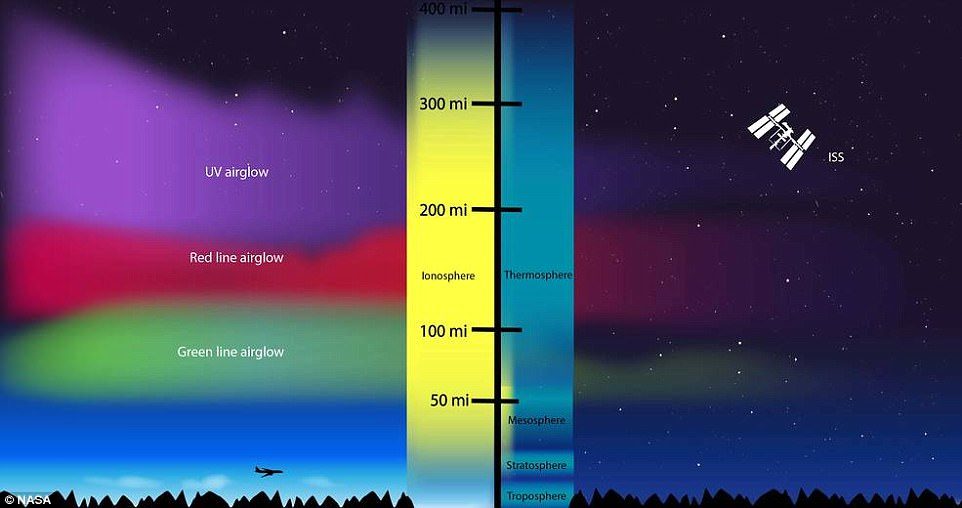
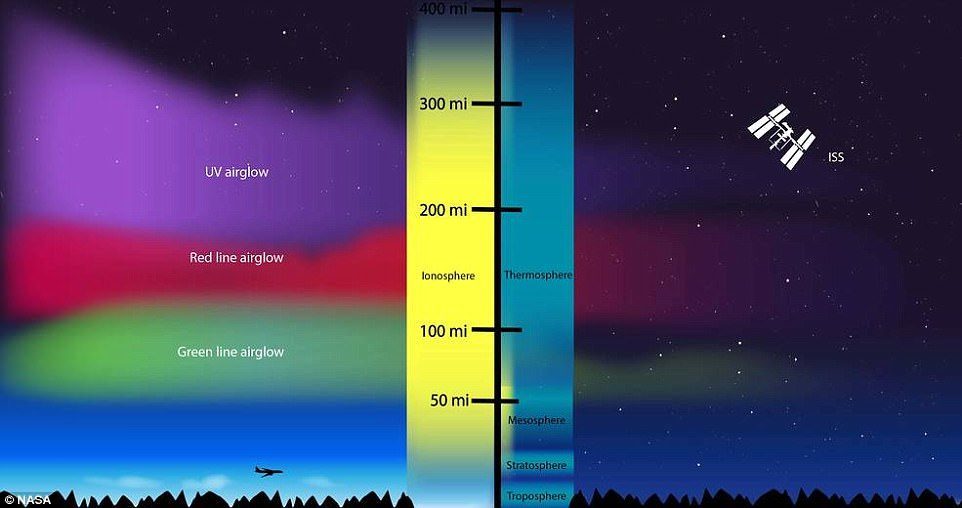
According to NASA, the ionosphere is split into three distinct regions based on what wavelength of solar radiation is absorbed. These are the D, E and F, with D being the lowermost region and F, the uppermost.
When the moon passes in front of the sun on August 21 for the historic total solar eclipse, day will briefly become night, before returning to brightness moments later.
According to
NASA, this will effectively turn off the source of high-energy radiation in the ionosphere, a layer that extends from about 50 to 400 miles above Earth's surface.
The ionosphere is constantly changing in response to the sun's activity, and the upcoming eclipse will give scientists an unprecedented opportunity to study the mechanisms behind these changes.The ionosphere is an electrified layer of Earth's atmosphere, NASA
explains.
It's in constant flux, growing and shrinking based on solar activity and space weather.
This, in turn, can cause disruptions to communication and navigation signals.
The three research teams backed by NASA will investigate this layer to find out more about the sun's role in its behaviour.



















Comment: See also: