
© Desconocido
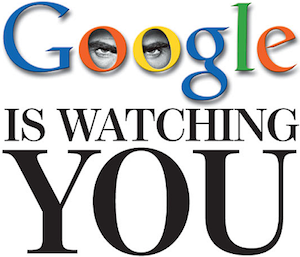
US District Judge Paul Grewal ruled Monday evening that Google has to face the breach of contract and fraud claims brought by users of Android devices who downloaded at least one Android application through Google Play.
"Like Rocky rising from Apollo's uppercut in the 14th round, plaintiffs' complaint has sustained much damage but just manages to stand," Grewal wrote in a 28-page decision, referring to the 'Rocky' film series while alluding to how close his decision ultimately was. Two earlier versions of the lawsuit were previously dismissed by Grewal.
Grewal did dismiss on Monday other aspects of the current lawsuit, including claims brought by users who say they were compelled to switch away from Android devices to non-Android devices after Google altered its privacy policy in 2012 that allowed the data commingling.









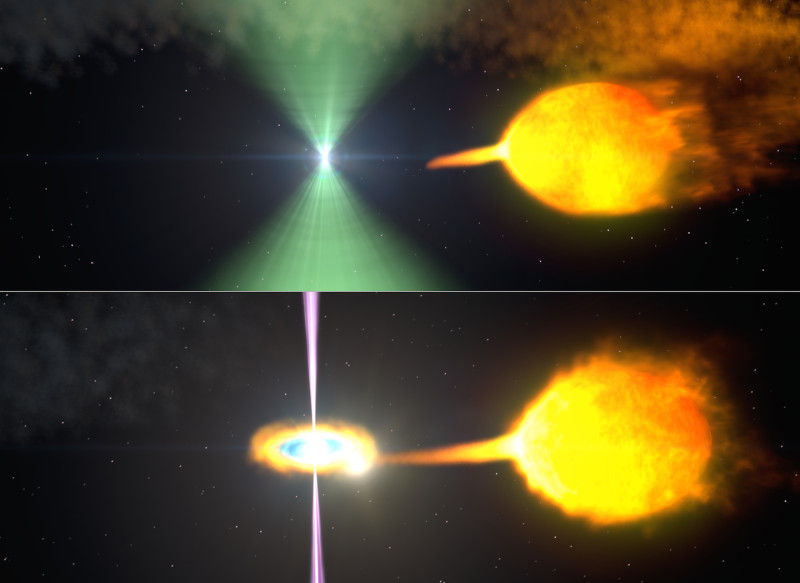








Comment: For a lot more information about our 'electric universe' including solar cycles, plasma phenomenon, the Sun's dark companion and the cyclical impact on humanity, read: Earth Changes and the Human Cosmic Connection: The Secret History of the World - Book 3