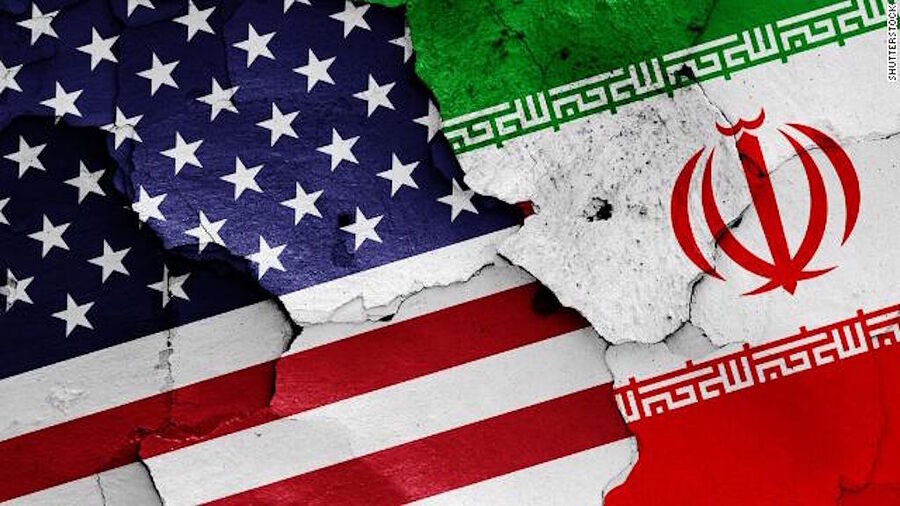
© Shutterstock
More than a month into the war with Iran, Washington is confronting the strategic nightmare it tried to avoid. What began as a campaign that many in the US and Israel appear to have imagined as short, punishing, and politically manageable has instead become prolonged, expensive, globally destabilizing, and increasingly difficult to define as success.
The battlefield logic is now inseparable from the political logic, and on both fronts the pressure is mounting on Donald Trump's administration. Reuters reports that the conflict, launched on February 28, has disrupted global energy flows, driven oil sharply higher, pushed US gasoline prices above four dollars a gallon, and dragged US President Donald Trump's approval rating down to 36%, the lowest level since his return to office.
How to sell a warA domestic audience can be persuaded to see a short war as an act of decisive leadership, but
a long war becomes a test of competence, a source of inflation, a burden on allied relations, and eventually a question about whether the White House ever had a serious political endgame. Trump, who built much of his political appeal on the promise that he would be stronger than his predecessors and yet less trapped by endless wars, now faces the opposite image. The longer this campaign drags on, the more it looks like a war of choice with no clean exit, one that hurts households at the gas pump, deepens strategic uncertainty, and gives Tehran new ways to impose costs without needing conventional military parity.


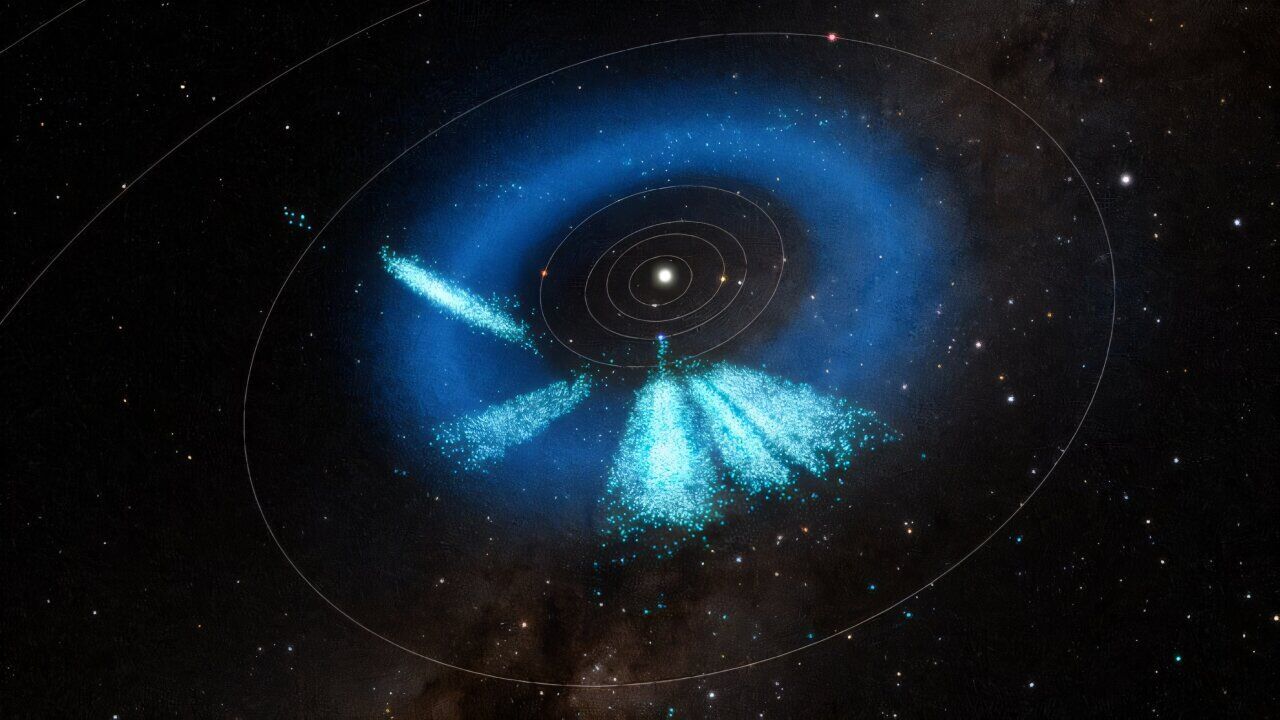











Comment: In line with the increasing trend of meteors, fireballs and impact craters, not to mention the 11,000-plus new asteroids in our solar system, which is only the tip of the iceberg. For crucial information, see: