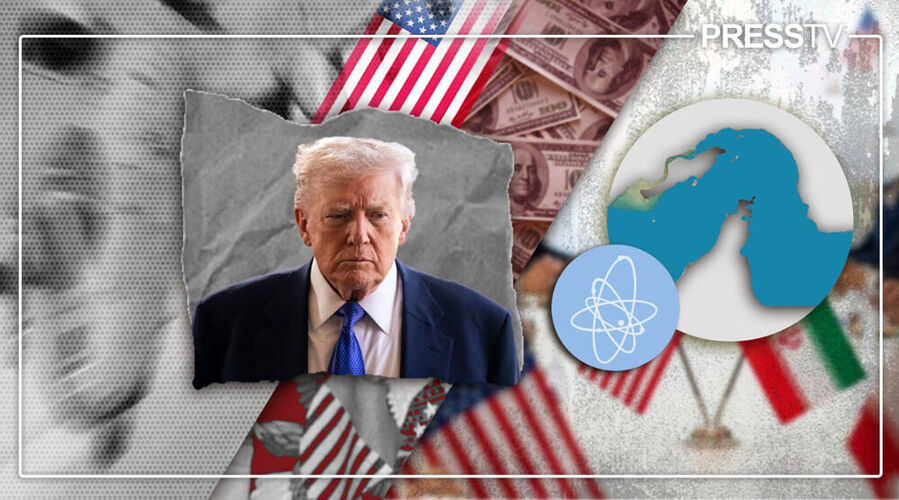
© PressTV
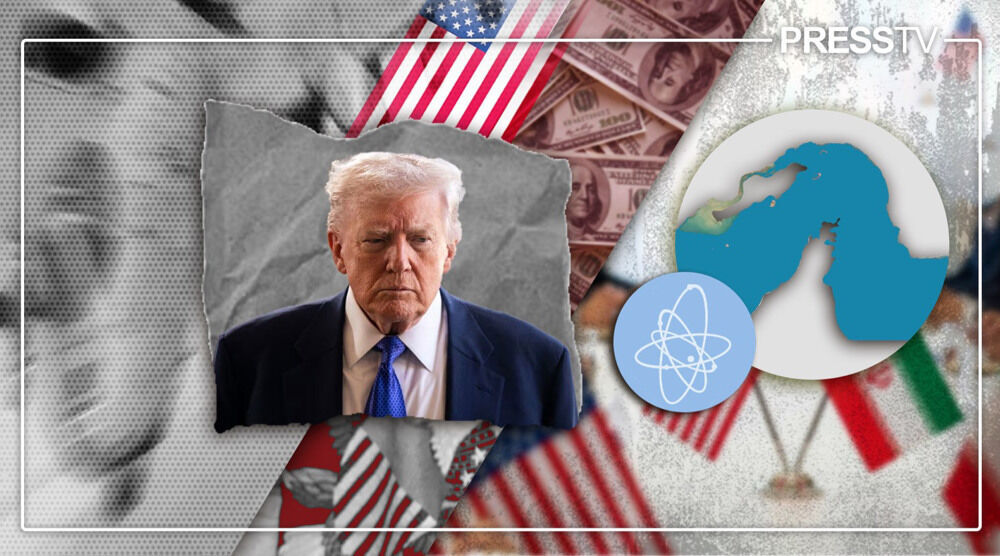
In a theatrical move that fooled no one, US President Donald Trump rejected Iran's comprehensive plan to end the war he illegally imposed on the country 70 days ago.
The US president postured as a victor, dismissing Tehran's proposal with the bluster of a leader who expects capitulation. But the reality on the ground tells a starkly different story.
By every measurable metric, America is the defeated party in the asymmetric war that was imposed on Iran amid the nuclear talks in Geneva on February 28. And his rejection of Iran's terms in a social media post has not opened new options for Washington, but it has only trapped the US in a deadly three-way crossroads from which there is no easy escape.
Trump's rejection of Iran's plan, which was submitted early on Sunday through Pakistani mediators, is a grave strategic error as Americans hold no winning cards.
Iran's proposal: Fundamental, natural, and uncompromisingIran's plan to permanently end the war was never meant to please Washington. It was designed to restore justice, recognize strategic realities, and secure Iran's undeniable rights after the unprovoked military aggression against the country and maritime banditry.
The core elements of Iran's proposal are not maximalist. They are rooted in natural and fundamental principles that any nation subjected to unprovoked aggression and holding the upper hand would rightfully insist upon:
- War reparations - Payment of damages and reparations by the aggressor for the destruction inflicted on Iran's infrastructure, economy, and civilian population.
- Management of the Strait of Hormuz - Recognition of Iran's sovereign control over this vital waterway, based on the mechanism already announced by Tehran.
- Lifting of sanctions - The complete removal of all oppressive and illegal sanctions that have targeted the Iranian people for decades.
- Release of frozen assets - The return of billions of dollars of Iranian assets illegally seized by the United States.
- Permanent end to the war - A cessation of hostilities not only against Iran but also against the entire resistance front, including Hezbollah in Lebanon and other allied forces across the region.
None of these demands is unreasonable or impractical. They are the basic entitlements of a nation that has been attacked, bombed, and subjected to economic warfare for nearly half a century. What Iran is asking for is not special treatment but justice.

















Comment: Putin vows revenge for Ukrainian attack on Lugansk school dorm