
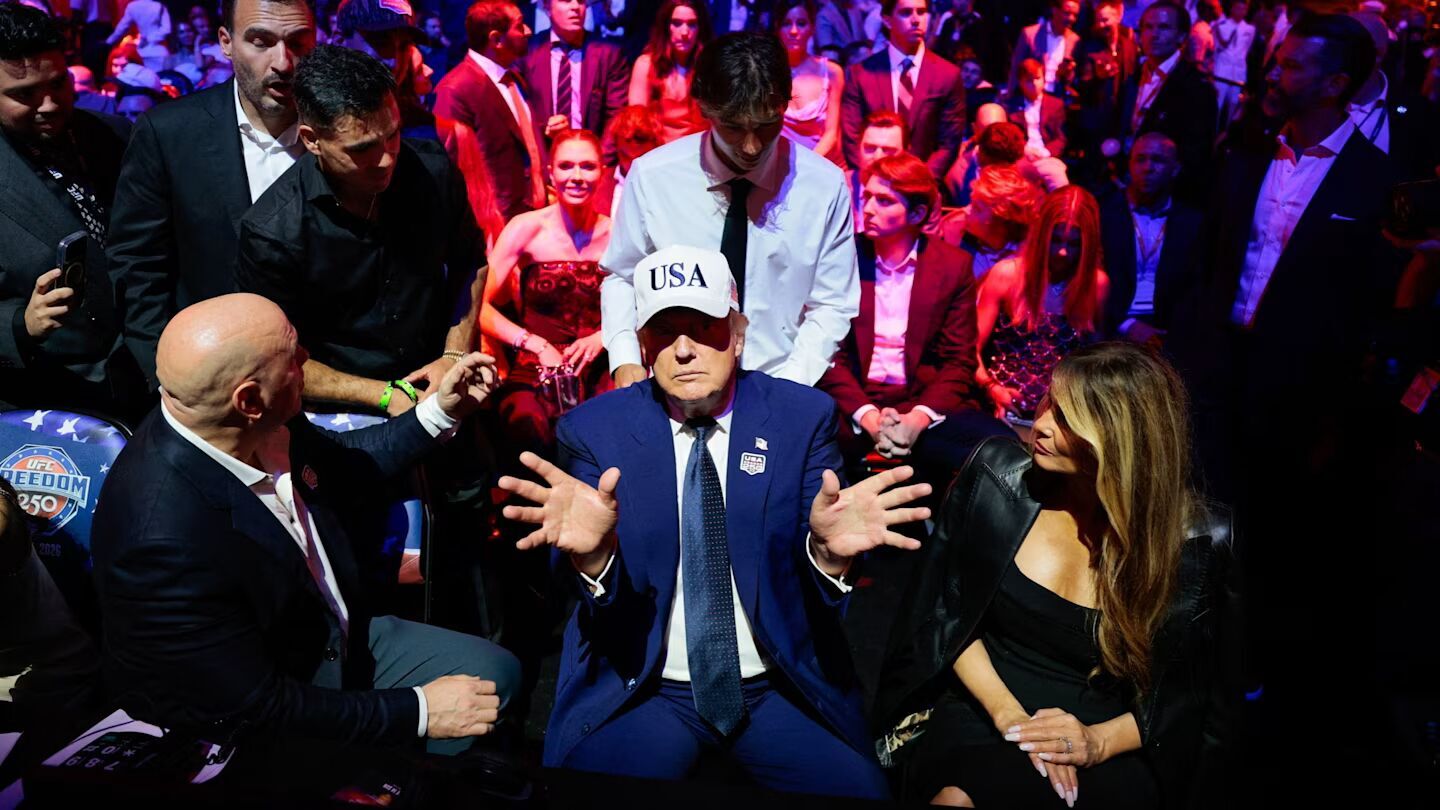
Details of the deal were not immediately available. Key mediator Pakistan said the signing will be Friday in Switzerland. Key issues like Iran's nuclear program are expected to be addressed later.
U.S. President Donald Trump confirmed a deal had been reached and said he had authorized an end to the U.S. naval blockade of Iranian ports in the Strait of Hormuz, imposed in retaliation for Iran's grip on the crucial waterway.
Trump wrote on social media:
"Congratulations to all! I hereby fully authorize the toll free opening of the Strait of Hormuz, and, simultaneously herewith, authorize the immediate removal of the United States Naval blockade."The U.S. previously said it would ease its blockade of Iranian ports as the strait reopens, and would agree to relax sanctions to allow Iran to sell more of its oil and strengthen its battered economy.
Iran's deputy foreign minister, Kazem Gharibabadi, confirmed the agreement on state television but said Iran would not start implementing it until it was signed on Friday. He said the deal followed over 14 hours of talks in Tehran with a representative from Qatar, another mediator.

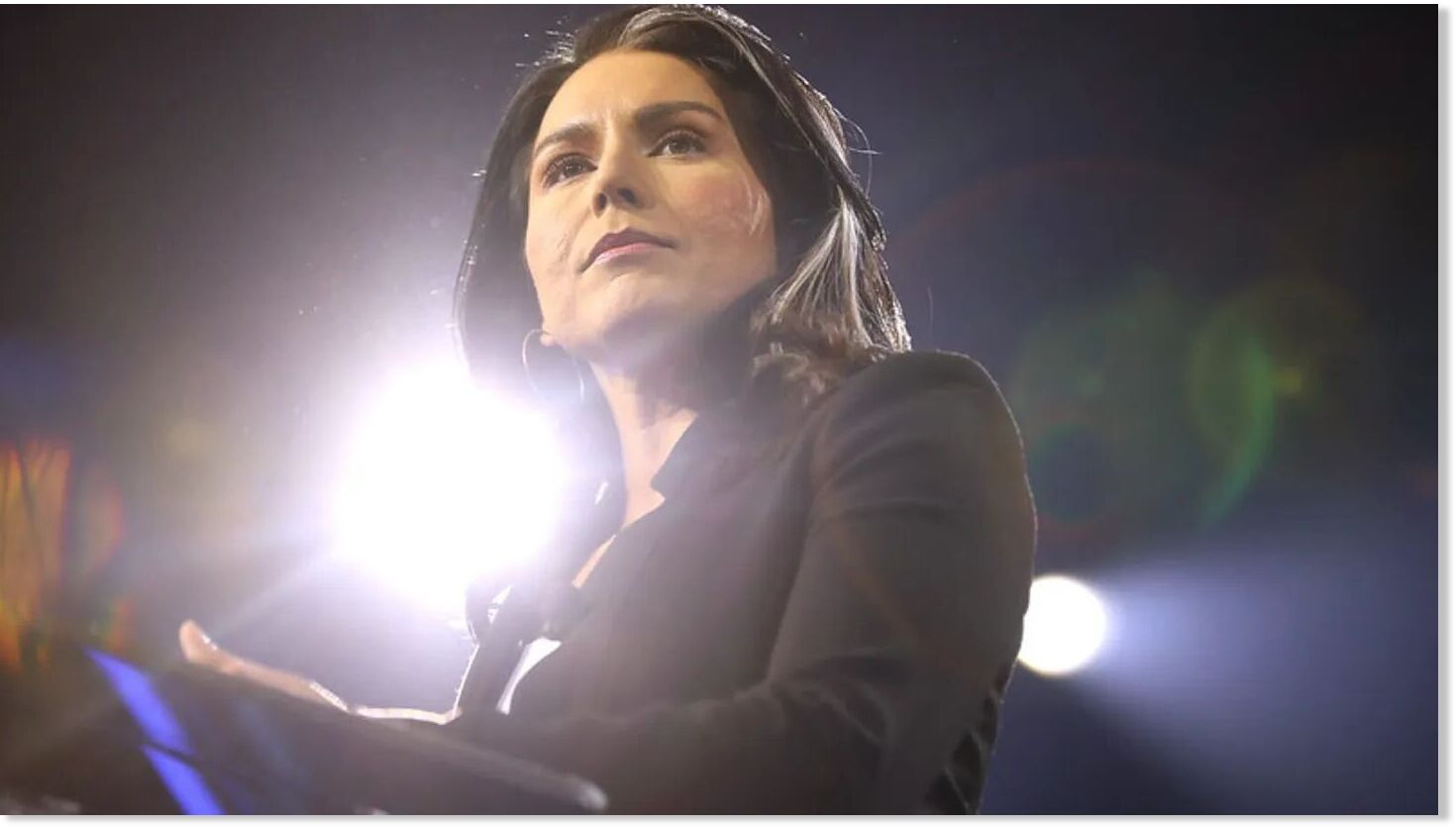











Comment: Nothing like tossing a match as you are going out the door, not to mention vindicating Russia's decades-long allegations. Kudos, Tulsi!
- Russia claims they collected evidence of Avian Flu pathogens with lethality rate up to 40% in humans at US biolab in Ukraine
- Russia exposes names behind US-backed Ukraine biological projects
- Ukraine destroying evidence of US-funded bioweapons program - Russia
- Nuland admits US has biological research labs in Ukraine, Washington working with Kiev to prevent "falling into Russian hands"
- Hunter Biden's Investment Fund connected to financing of Pentagon-Funded Biolabs in Ukraine: MoD
- It's the biolabs, stupid: Is this why Ukraine murdered a Russian general?
Dilyana did yeoman work when no one would believe her: