
Houcine Youabed, communications officer at Morocco's General Directorate of Meteorology, said the unstable weather pattern was caused by a low-pressure system accompanied by a cold upper-air mass positioned over the western Mediterranean and northern Morocco.
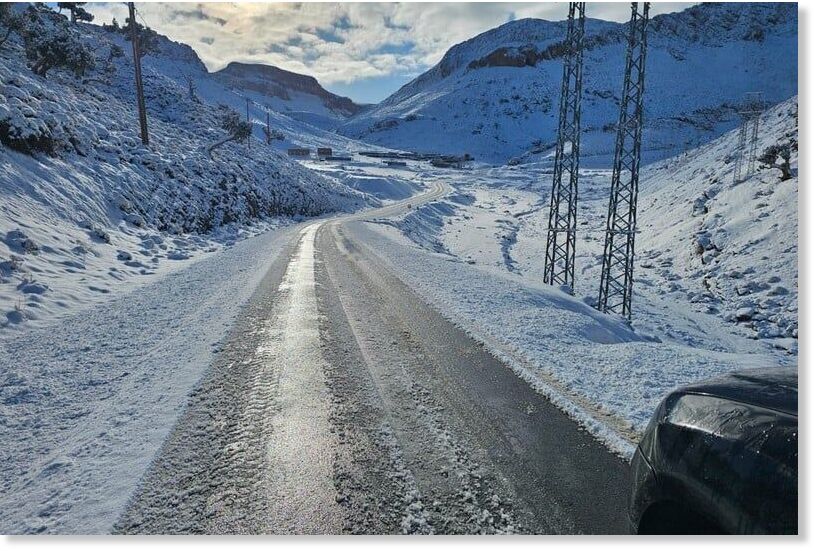
The atmospheric conditions triggered a noticeable drop in temperatures, particularly in the High and Middle Atlas mountain ranges, leading to snowfall at elevations above 2,000 meters.
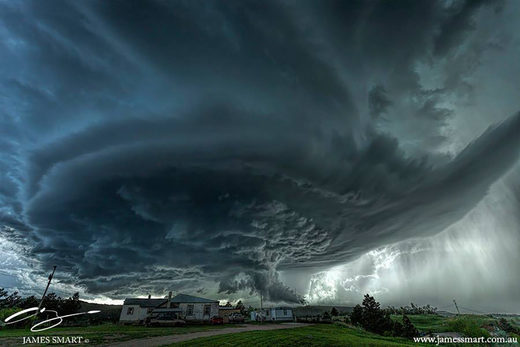
According to the meteorological agency, the cold air interacting with humid Atlantic currents created active storm clouds that produced localized thunderstorms and snow.
Recent snowfall measurements included about 10 centimeters at the base of the Oukaimeden ski area and 12 centimeters (4.7 inches) at its summit. In Azilal province, Mount Mourik recorded up to 7 centimeters (2.8 inches) at higher elevations, while snow accumulation in the Amzri Imi N'Laoune peak area in Ouarzazate province reached 10 centimeters.
Despite the unusual timing, Youabed said snowfall in May remains climatologically possible in Morocco's high mountains and should not be viewed as exceptional.
He explained that spring in Morocco is typically marked by strong contrasts between cold northern air masses and warmer air moving northward from subtropical regions, often producing rapid and unstable weather shifts.
Meteorological data on Morocco's snow cover also show that snowfall during May is not unprecedented, Youabed said, describing the phenomenon as part of normal spring climate variability rather than evidence of broader seasonal climate change.
Forecasters expect unstable conditions to continue through Monday, particularly across the Atlas Mountains, the Rif region and eastern Morocco, where additional thunderstorms and rain showers remain possible.
Low clouds and patchy fog are also expected over northern and central plains and parts of Morocco's southern provinces during the early morning and nighttime hours.
Weather conditions are forecast to stabilize gradually beginning Tuesday as the Azores High extends toward western and northern Morocco, reducing rainfall activity and allowing temperatures to rise progressively.
Meteorologists also expect a Saharan thermal low-pressure system to strengthen later in the week, bringing warmer and drier air into inland plains, the Souss region and southern Morocco, with temperatures expected to become relatively hot in some areas.
Weather specialists say the sharp contrasts illustrate Morocco's transitional spring climate, where winter-like conditions can briefly coexist with early summer heat because of rapidly changing atmospheric patterns.


Reader Comments
to our Newsletter