
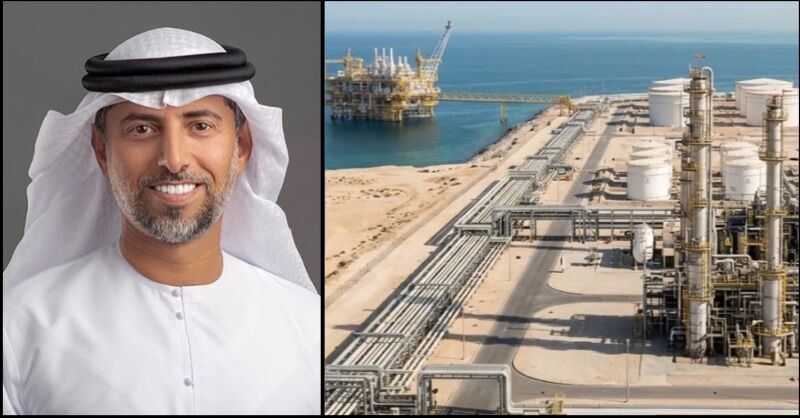
© News 24H.E. Suhail Mohamed Al Mazrouei, Minister of UAE energy and infrastructure
In a fresh development in the global economy, the United Arab Emirates (UAE), a major oil producer, has decided to exit the Organization of the Petroleum Exporting Countries (OPEC). According to reports, the decision comes amid ongoing geopolitical tensions, damage to infrastructure, and differences over Middle East strategy.
The UAE believes that leaving OPEC will give it greater flexibility in managing its oil production. However, this move has raised fresh concerns in global markets. Investors are worried about its potential impact on crude supply and global oil prices, which could remain volatile in the near term.
What is OPEC?
The Organization of the Petroleum Exporting Countries (OPEC) is an intergovernmental organization founded in 1960, with Iran, Iraq, Kuwait, Saudi Arabia, and Venezuela as its founding members. Currently, OPEC has 12 member countries, including the UAE. These countries coordinate their petroleum policies and play a key role in managing oil supply and stabilizing global oil prices. The group accounts for a significant share of global oil production.
Impact of the Exit
The UAE announced that it would leave OPEC and OPEC+ on May 1. These groups bring together OPEC members and allied oil-producing nations.
As one of the largest producers in the group, the UAE's exit is expected to weaken OPEC's control over global oil supplies. It may also widen the rift between the UAE and its neighbour Saudi Arabia, which is the de facto leader of OPEC.
What is the Reason?
UAE Energy Minister Suhail Mohammed Faraj Al Mazrouei said that the decision would allow the country to increase output once exports via the Gulf resume, as it would no longer be bound by OPEC quotas. He stated in a Reuters interview that the move was taken after a careful review of the country's current and future energy policies. He also indicated that there may not be an immediate market impact due to constraints in the Strait of Hormuz.
Experts believe that, freed from OPEC quotas, the UAE can utilize its full production capacity of approximately 4.8 to 5 million barrels per day (mbpd), up from its earlier limit of around 3.2 mbpd. As a result, crude oil prices could decline in the future.
The Current Crisis
OPEC Gulf producers have been struggling to ship exports through the Strait of Hormuz, a critical chokepoint between Iran and Oman. Around one-fifth of the world's crude oil and liquefied natural gas passes through this route. Due to the ongoing Gulf crisis, OPEC+'s share of global oil output fell to 44% in March from about 48% in February. This share is likely to decline further in April and May as production disruptions intensify and with the UAE's exit from the group.
Impact on India
Experts believe that the UAE's exit from OPEC could benefit India in the long run. Increased crude oil production by the UAE may boost global supply, which could soften oil prices.
This, in turn, may reduce India's import bill and help ease domestic inflation.


Reader Comments
to our Newsletter