
© Getty Images
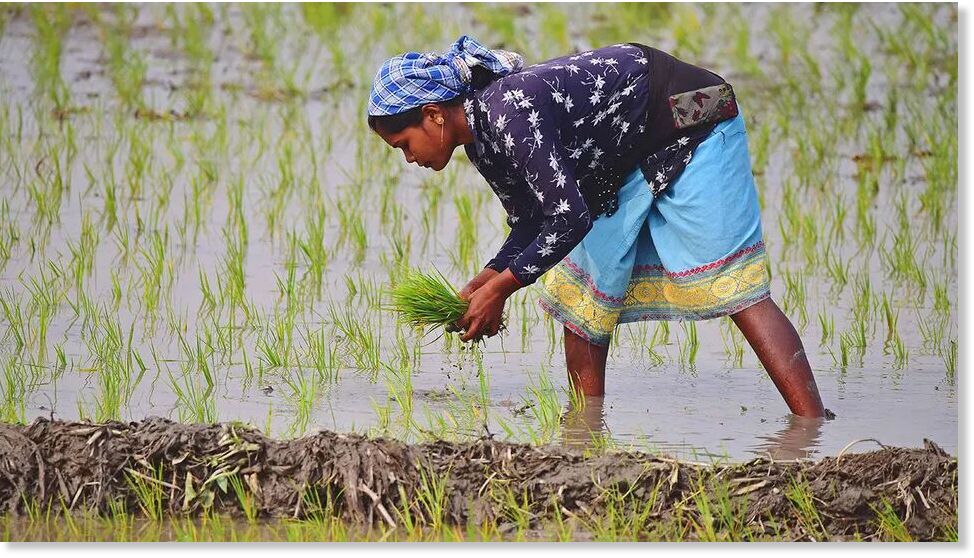
Rising costs associated with the US-Israeli war on Iran are prompting rice farmers throughout Asia to reduce planting, while an emerging El Niño could further tighten global rice supplies this year, Reuters reported on 30 April.
The strain is already visible across major rice-producing and importing countries. Growers and traders say the war has disrupted fuel and fertilizer flows through the Strait of Hormuz, a critical shipping route connecting Gulf producers to global markets.
That disruption is pushing costs higher, with farmers responding by reducing fertilizer use and scaling back planting - a shift that is expected to decrease yields in the coming harvest cycles.
Maximo Torero, chief economist at the UN Food and Agriculture Organization (FAO), said "farmers have already started planting ... and are using fewer inputs because prices have gone up," warning that "we are going to see a tighter global supply situation in the second half of the year and early next year."
At the same time, El Niño is expected to intensify pressure on production. The weather pattern is forecast to bring hotter and drier conditions across Southeast Asia later this year, placing additional stress on smallholder farmers who already face rising costs.
A trader cited by Reuters described logistics as "a nightmare," citing shortages of transport materials, limited truck availability, and ongoing shipping disruptions due to both Iranian and US blockades.
In the Philippines, farmers are considering cutting planting or fertilizer use, with one official warning this would "inevitably cut production," increasing the country's reliance on imports.
Despite these pressures, global inventories remain relatively high after years of strong output, offering some buffer.
Still, officials warn that delays in restoring shipping flows through Hormuz could quickly worsen the situation, with Torero cautioning that failure to reopen the route within weeks could make conditions "pretty serious."
One Turkish naval strategist warned that continued disruption in the Strait of Hormuz could rapidly escalate into a broader global economic crisis if unresolved.
Rising fuel and fertilizer costs linked to the US-Israeli war on Iran are squeezing farmers across the developing world.
Higher energy prices are driving up production and transport costs, cutting into margins and forcing some producers to scale back activity, reduce inputs, or, in some cases, leave crops unharvested altogether.



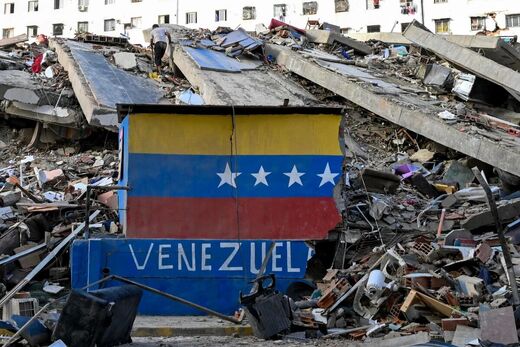

After the attempt to remain in control over our current word via the plandemic, the Ukraine conflict and the Iran war failed, they switched over to the alternative. Grab as much as you can (e.g. Venezuela, Greenland, Canada & Cuba), bring the world economy down, and hope we weather the storm better than others.
The likelihood to succeed is abysmally small, the new rising powers have seen this coming for decades, and prepared accordingly. But again, billions will suffer, and millions will die. Psychopaths don't care.