
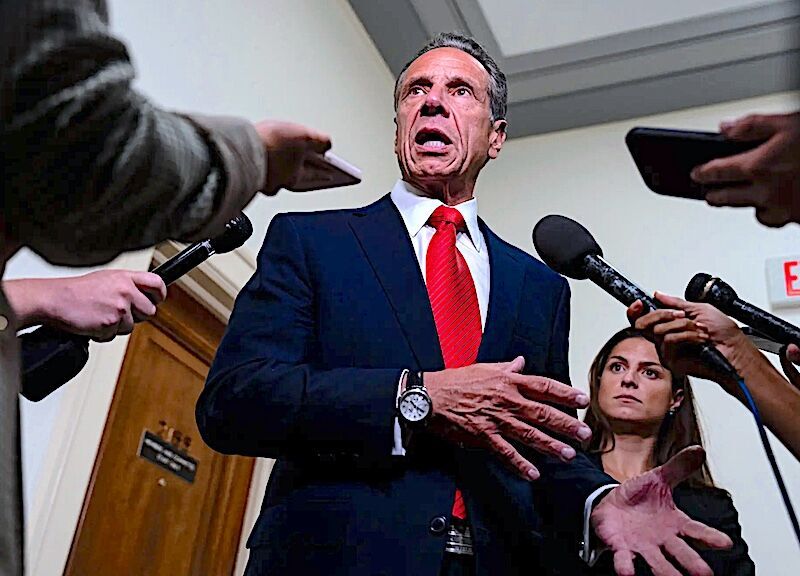
© Getty ImagesThe nursing home scandal helped tank Andrew Cuomo's governorship
In its Monday order list, the high court denied certiorari, or appeal, of the lower court's rulings in the lawsuit against Cuomo led by Daniel Arbeeny, of Brooklyn, who alleged that the former governor's nursing home policy caused his father's death in 2020.
Arbeeny, who said he was "disappointed" with the decision, told The Post:
"The Supreme Court doesn't erase what was done and the truth of what happened. Nine thousand COVID-positive patients were forced into nursing homes with deadly consequences. The [Cuomo ] administration lied about the deaths. The facts don't change. The death toll is horrific. It didn't have to happen. At some point, the truth will come out."Monday's announcement means that Arbeeny has exhausted his options to appeal. The Supreme Court did not provide a reason for its denial, which is standard practice for the high court in these types of cases.
Cuomo spokesperson Rich Azzopardi told The Post:
"For six long years, families have had to deal with unimaginable losses of loved ones from COVID and it doesn't get easier, especially when that pain was manipulated and politicized. Every investigation and every court to examine these claims has reached the same conclusion: there was no wrongdoing by Governor Cuomo or his administration. Today, the Supreme Court joins that list. The facts are settled and the highest court has spoken."
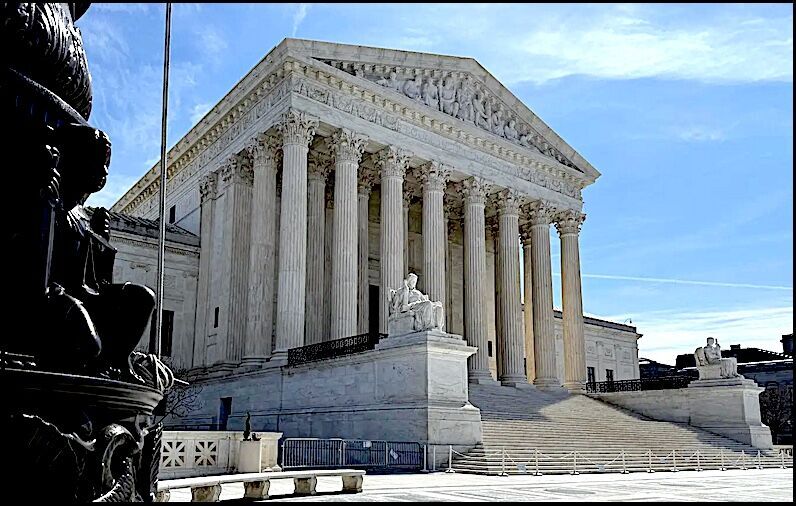
© ReutersUS Supreme Court was the last resort Daniel Arbeeny had in his lawsuit against Andrew Cuomo.
Both of the lower courts had determined that Cuomo, 68, was protected by qualified immunity, which gives government officials liability protections if they didn't flout clear legal or constitutional principles.
Back in March 2020, Arbeeny's father, Norman, an 89-year-old Korean War veteran, was in a nursing home. On March 25 of that year, the Cuomo administration issued guidance directing nursing homes to take patients who tested positive for the COVID-19 respiratory illness.
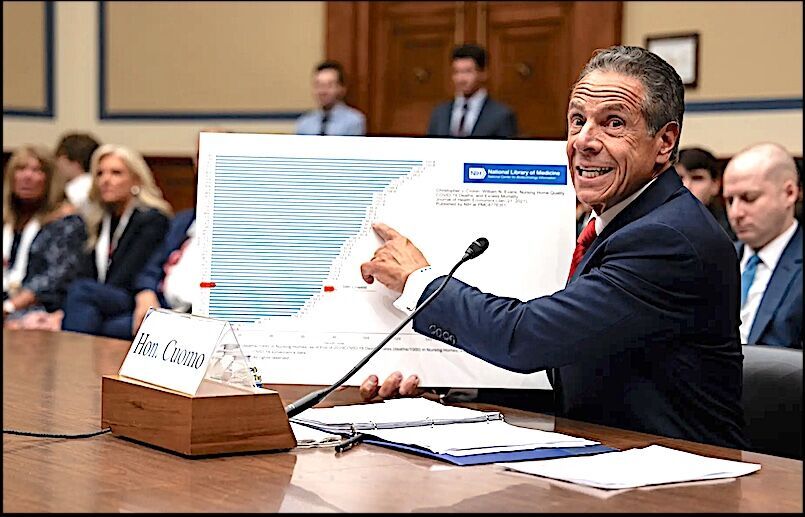
© Getty ImagesThe decision concludes the most high-profile civil litigation against Andrew Cuomo over the nursing home scandal.
Ultimately, some 15,000 seniors died from COVID-19 in Empire State nursing homes.
Notably, Arbeeney's father was discharged from the nursing home in April 2020, about three weeks before that facility took in a COVID-positive patient, according to Azzopardi.
Cuomo also faced controversy over his administration's undercounting of nursing home-related COVID-19 deaths. A congressional report alleged that Cuomo was involved with lowballing the death count.
Daniel Arbeeny had filed a suit against Cuomo and members of his former administration in 2022. He was joined by other families in the suit.
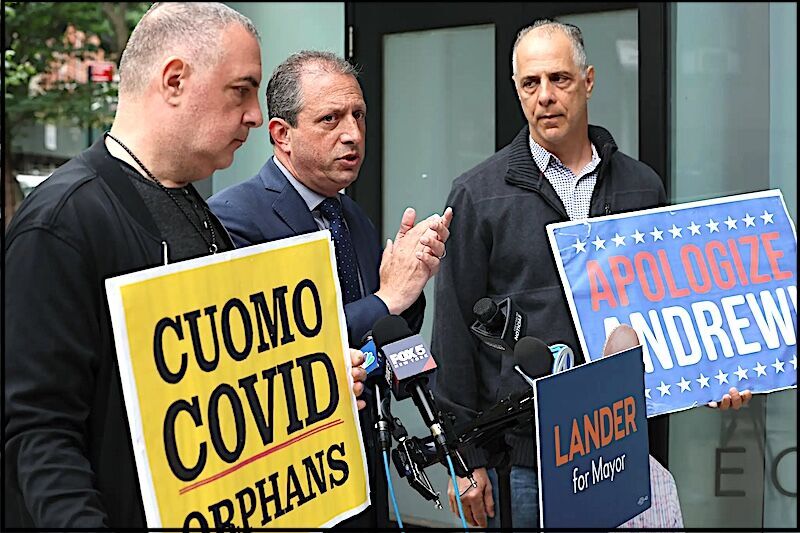
© William FarringtonUltimately, the lower courts concluded that Andrew Cuomo was protected by qualified immunity.
The Cuomo scion then mounted a political comeback bid last year, seeking to become mayor of New York City, before losing both the Democratic primary and general election to Zohran Mamdani.

Reader Comments
In Clown World.