
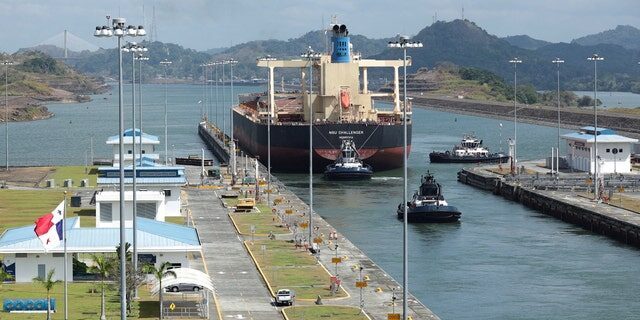
© REUTERS/Aris Martinez/File PhotoImporters warn of problems with supplies of perishable goods as Britain relies on the canal for fresh produce from Latin AmericaAnalysts warn countries such as Peru will struggle to maintain supplies if ships carrying refrigerated containers of fruit, vegetables and other goods such as coffee and meat are subjected to excessive delays on the Panama Canal
The Panama Canal Authority on Wednesday notified shippers it is extending through Sept. 2 restrictions for vessels to transit through the waterway and keeping the number of vessels authorized to pass per day to a maximum of 32.
The Canal restrictions, implemented in recent months as the rainy season in Panama has come late this year, could add more pressure on consumer goods prices, according to maritime firms and experts, as delays and extra fees add to shipping costs.
The Panama Canal is important for moving consumer goods from Asia to the United States, especially ahead of peak selling seasons like Christmas. It also allows faster transportation of U.S. commodities to Asia and South America's Pacific Coast.
On Wednesday, there were a total of 131 vessels with and without reservations lining up to transit, fewer than the 161 ships reported a week ago, according to official data.
The bottleneck easing follows more slots opened last week by the Canal Authority for non booked vessels.
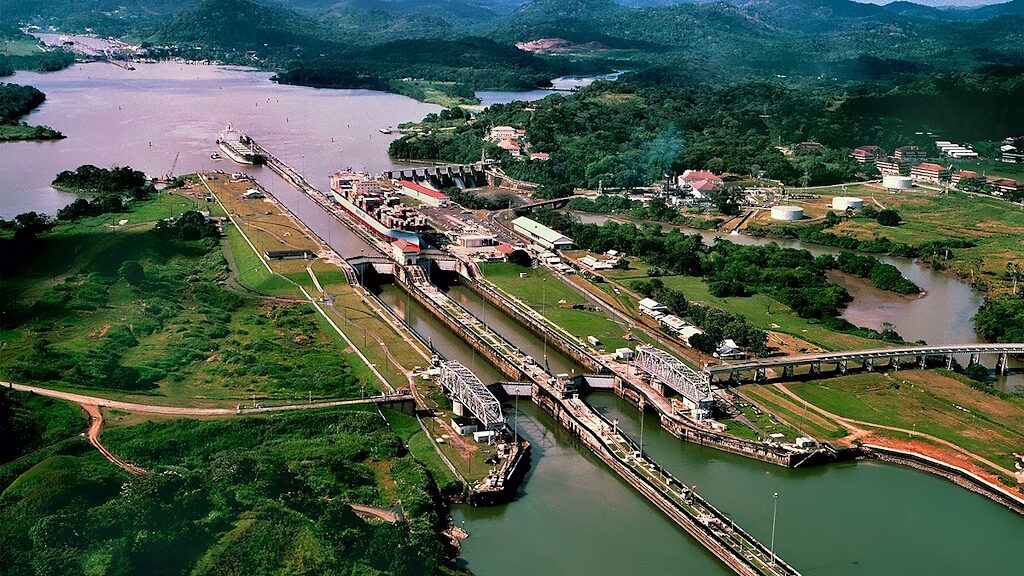
An aerial view of the Panama Canal, Weather-related disruptions have been plaguing the Panama Canal for some time, leading the ACP to adopt water conservation measures during the rainy season.
Under the current measures, vessels cannot exceed a maximum draft of 44 feet. The Canal is allowing up to 14 daily reservations to pass through the old locks, used by smaller ships, and 10 daily transits for the new bigger locks.
Vessels that arrive without reservation have access to the remaining eight passage slots per day.
The Canal also is maintaining a suspension of extraordinary auctions for transit slots in both locks through Sep. 2.
In normal circumstances, 36 vessels in total are authorized to pass the Canal per day this time of the year, but prolonged drought has forced restrictions to use the navigation channel and the locks.
"Demand remains high, which proves that the Panama Canal is still competitive in most segments, even with measures taken to save water," the authority added.
The Panama Canal has a 40%-market share of containers moving from Northeast Asia to the U.S. East Coast.



Reader Comments