RTWed, 06 Feb 2019 17:58 UTC
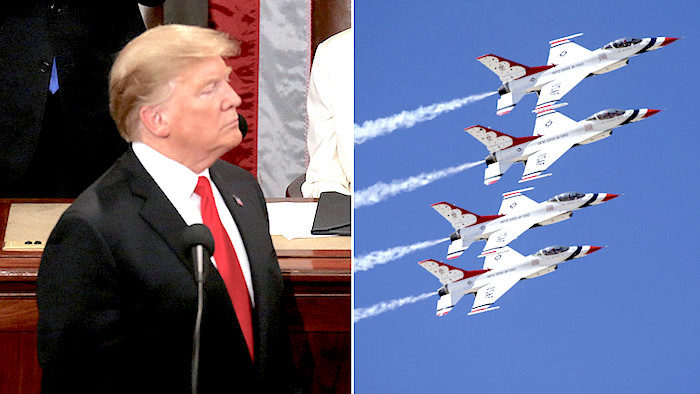
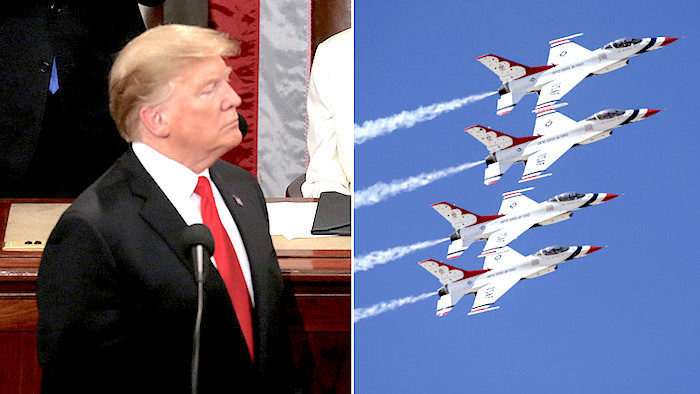
© REUTERS/Leah Millis; Mario AnzuoniPresident Trump during SOTU address • USAF
Donald Trump's State of the Union speech sent mixed messages about where the president stands on foreign policy, analysts told RT, as
his anti-intervention views clash with his threats against Iran and Venezuela.While the commander-in-chief praised US troops serving in Afghanistan and Syria as having "fought with valor,"
he gave little indication of a timeline for a possible pull-out from the region, despite previous sentiments to the contrary. The omission did not sit well with analysts.
Michael Maloof, a former Pentagon official, told RT that Trump's failure to provide specifics about a withdrawal timeline from the warzones was disappointing - especially because the president had earlier indicated that troops would be returning home in the near future.
The president likely "glossed over" a withdrawal timeline because it would have been "very controversial,"Maloof suggested, adding that ultimately, Trump may even embrace his cabinet's "neo-conservative approach to foreign policy."
While the president railed against "foolish wars" as one of the few obstacles standing in the way of the "miracle" of American economic might, Maloof said that
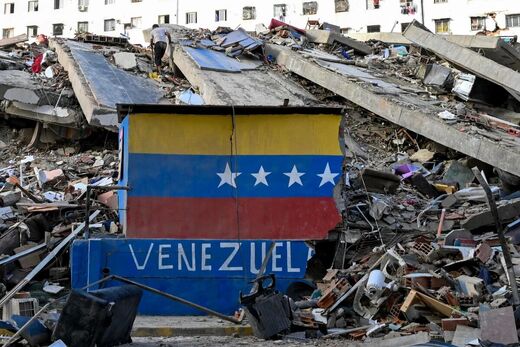
Trump's threats directed at Venezuela and Iran show that Washington's penchant for "regime change" has not subsided."These are very scary times," Maloof warned, adding that
despite its military might, the US could once again "get bogged down in another Vietnam" in places like Venezuela. Likening the speech to pouring "old neo-con wine into a new America First rhetorical bottle," Jim Jatras, a former US diplomat, lamented that elements within the Trump administration were working against the president's stated foreign policy objectives.
Comment: Timeline for withdrawal: While we all would like the date, the chances of it being accurate is close to nil. It is not really, truly, ever, only the president's decision. It is what he is allowed to do and when he is allowed to do it.
More from
RT: Iranian FM on Trump's SOTU: US support of 'dictators, butchers & extremists' ruined Middle East
"Dictators, butchers and extremists" backed by the US are leaving the Middle East in ruins, Iran's foreign minister said, after Donald Trump labeled his country "the world's leading sponsor of terror" and a "corrupt dictatorship."
"Iranians - including our Jewish compatriots - are commemorating 40 years of progress despite US pressure, just as Donald Trump again makes accusations against us," Mohammad Javad Zarif told his Twitter followers, referring to the US president's attacks on Iran in his 2019 State of the Union address. US hostility "has led it to support dictators, butchers and extremists, who've only brought ruin to our region," Zarif stated.
In his second SOTU address, Trump sought to justify recent US actions against Iran. He assured lawmakers that his administration "has acted decisively to confront the world's leading state sponsor of terror: the radical regime in Iran."
Going further, Trump said the US had walked out of the "disastrous" Iranian nuclear deal - which was the result of years of talks and a concerted diplomatic effort by five world powers - "to ensure this corrupt dictatorship never acquires nuclear weapons."


Comment: Timeline for withdrawal: While we all would like the date, the chances of it being accurate is close to nil. It is not really, truly, ever, only the president's decision. It is what he is allowed to do and when he is allowed to do it.
More from RT: Iranian FM on Trump's SOTU: US support of 'dictators, butchers & extremists' ruined Middle East