
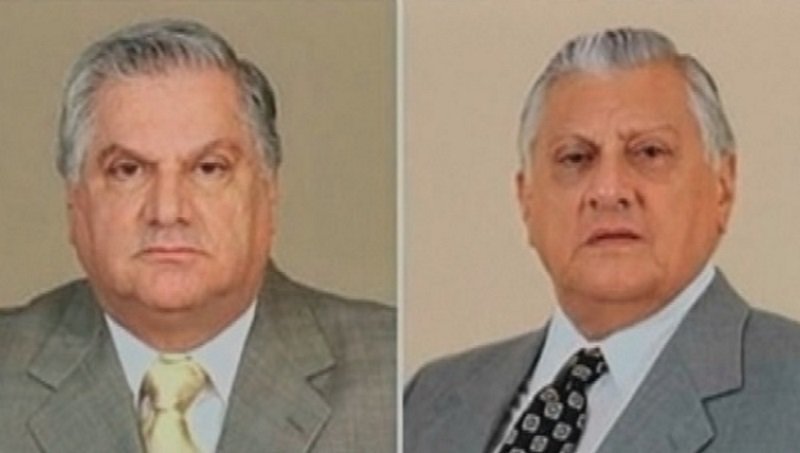
© El Telegrafo Ecuadorean fugitive bankers Roberto and William Isaias, who are currently in the U.S
Ecuador is seeking the extradition of banking brothers Roberto and William Isaias from the United States on charges that they embezzled funds and are largely responsible for the country's financial crisis in 1999—but the United States has spent the last 13 years ignoring the request.
The Isaias brothers have both been found guilty of fraud and the Ecuadorean government says they need to pay back millions of dollars they stole from the savings of average Ecuadoreans. So why are they being protected?
History
This crisis led to the end of the Ecuadorean currency, the Sucre, and its replacement by the U.S. dollar, which eliminated currency autonomy in the Andean country.

Brothers Roberto and William Isaias were the owners of one of the biggest banks in Ecuador, Filanbanco, that was part of the economic meltdown that lasted from 1999 until 2001.
The brothers were found guilty in absentia for a fraud worth US$600 million, and sentenced to eight years in prison in 2012 by the Ecuadorean National Court, which determined that the brothers had falsified Filanbanco's financial statements.
Appeals
In 2014, a U.S. court ruled against the fugitives, and allowed Ecuadorean authorities to seize properties belonging to the brothers in Florida to recover a portion of the US$200 million the government of Ecuador says they owe.

William and Roberto Isaias have lost two appeals against Ecuador.
The U.N. Human Rights Committee also rejected the allegations of the Isaias brothers that their conviction in Ecuador for the crime of bank embezzlement amounted to political persecution.
Ecuador's Foreign Ministry says it is currently working with the U.S. to reach an agreement that would have a number of fugitives, including the bankers, return to face justice.
Connections
A 2005 leaked diplomatic cable from the U.S. Ambassador to Ecuador, made public by Wikileaks, said the brothers "used their ill-gotten wealth to buy safe passage from Ecuador and later pressured prosecutors to reduce criminal charges against them."
According to The New York Times, the Isaias brothers donated US$90,000 for the re-election campaign of current U.S. President Barack Obama, and have invested at least US$320,000 in other politicians.
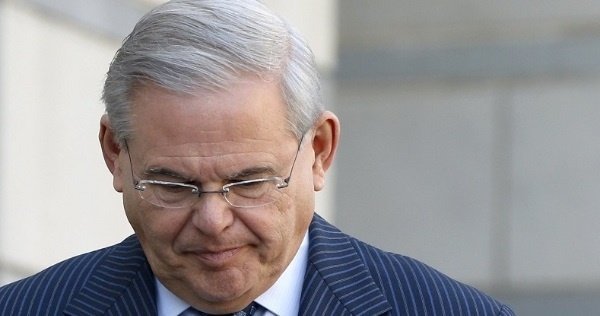
© ReutersDemocratic U.S. Senator Robert Menendez
In a related case, Menendez lobbied to lift a ban against Estefania Isaias, daughter of Roberto Isaias, from entering the U.S. She was charged with fraudulent actions to obtain visas for her domestic employees, but after Menendez's help high-ranking officials in the U.S. State Department lifted the ban.
Linda Jewell, former U.S. ambassador to Ecuador, said that "such close and detailed involvement by a congressional office in an individual visa case would be quite unusual, especially for an applicant who is not a constituent of the member of Congress."
Menendez, who was chairman of the Senate Foreign Relations Committee, stepped down from his post after being the subject of a corruption investigation. He faces 14 charges ranging from fraud to bribery for having allegedly offered political favors in exchange for expensive gifts and donations to his political campaigns.
Media Control
The convicted Isaias brothers also used their money and political influence in international media against a leading supporter of their extradition: current leftist President Rafael Correa.
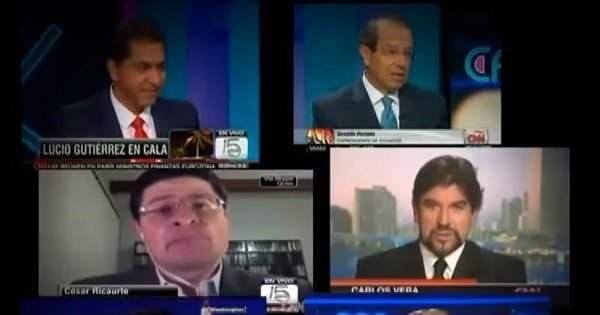
The brothers have set up interviews with Ecuadorean opposition lawmakers and journalists, financing their trips to the U.S. to visit with several leading news outlets, such as the Miami Herald and CNN, according to El Ciudadano,
The Isaias Group is also one of the investors in CNN Latino and have funded books, magazines, articles and even other media outlets to criticize Correa's administration.


Comment: Sounds like Ecuador is cursed with its own version of the Koch brothers. The Isias brother's role in the replacement of Ecuador's native currency with the US dollar would seem to be a key factor in their being shielded from extradition. Ecuador is pretty much in the grip of the Empire, despite the efforts of President Rafael Correa to chart an independent course for his country.