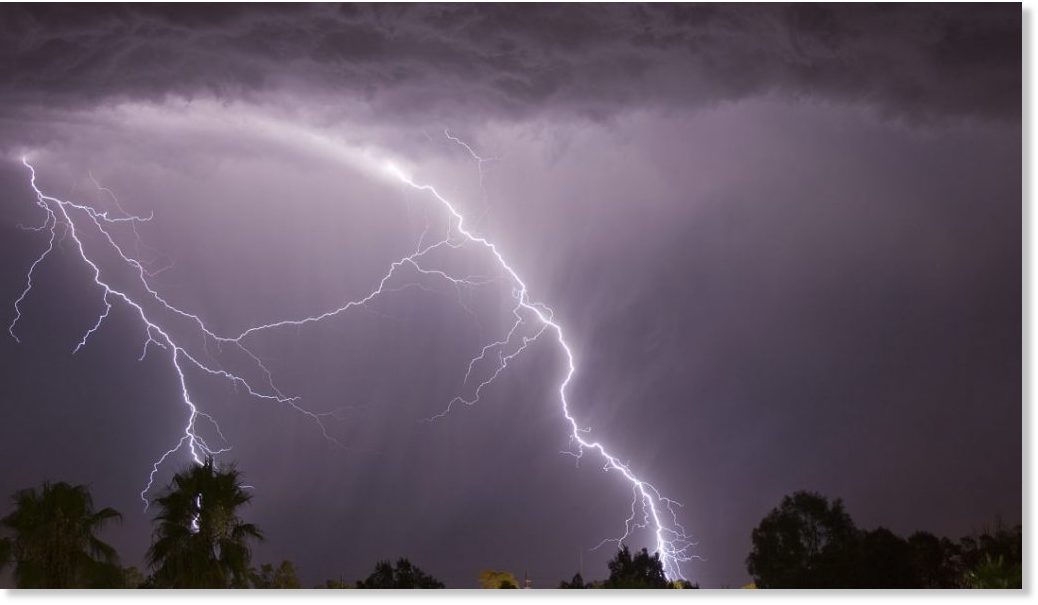
As many as 10 people have been killed in lightning strikes in three districts of Andhra Pradesh, the State Disaster Management Authority said here on Friday.
In a release, the SDMA said seven people were killed in lightning strikes in five mandals of SPS Nellore district, two in Guntur and one in Prakasam district on Thursday.
At Chennur village alone under Dagadarthi mandal in SPS Nellore district, three were killed in the incident.
"We had issued advance warnings with the likely location of the lightning and asked people to stay in safe places. But still the deaths occurred," the SDMA said.
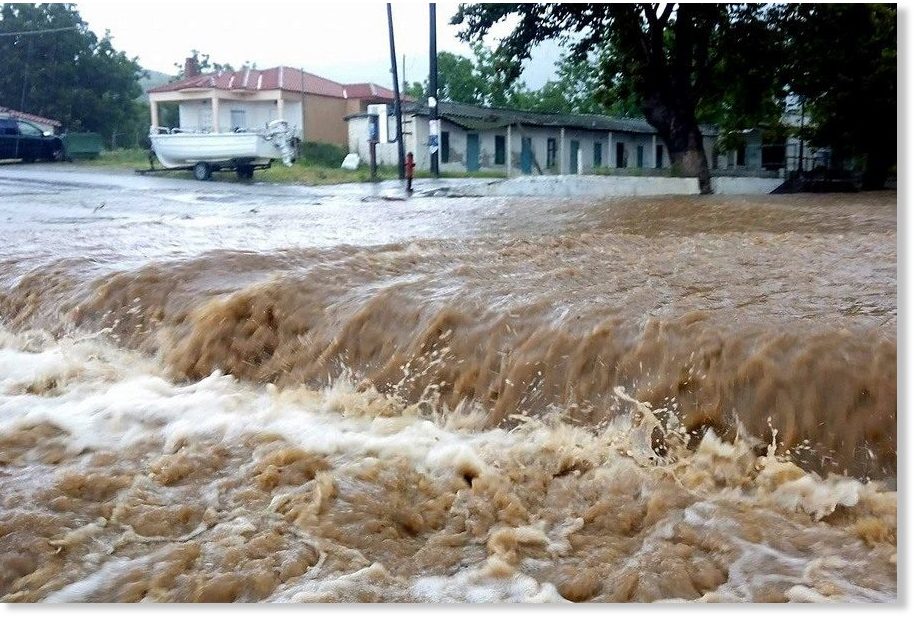
Civil Protection in Greece has declared a state of emergency in 3 municipalities of Thessaly Region after severe weather from 04 to 06 April, 2020.
Strong winds disrupted sea transport and downed trees. Winds of 100 km/h were reported in parts of Central Greece Region. Heavy rain triggered flooding in Thessaly and Thessaloniki Regions, among others.
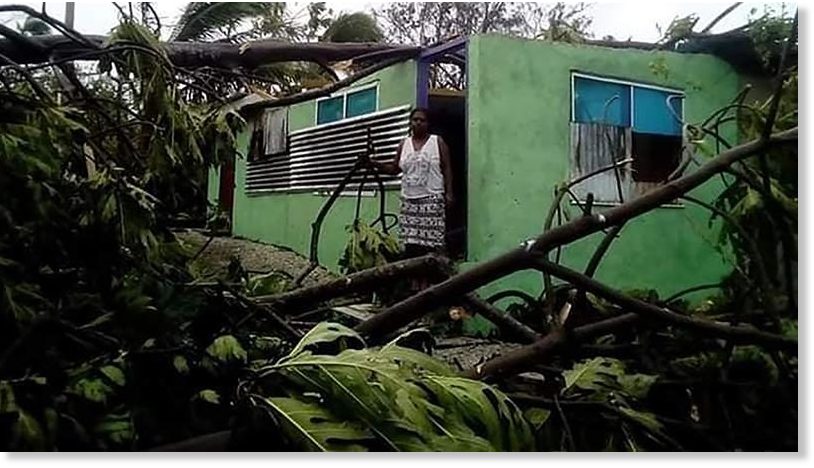
A deadly Pacific storm slammed Fiji on Wednesday, tearing off roofs and flooding towns in the capital Suva days after the category-five cyclone hit the island of Vanuatu.
Cyclone Harold passed over Fiji's south at about midday, levelling homes and snapping communications links in the archipelago, which has adopted curbs on the movement of people to rein in the coronavirus.
"We've seen reports of injuries," Vasiti Soko, the director of the National Disaster Management Office (NDMO), said by telephone.
"As to the number, as well as the intensity, of the injuries, that's yet to be ascertained."
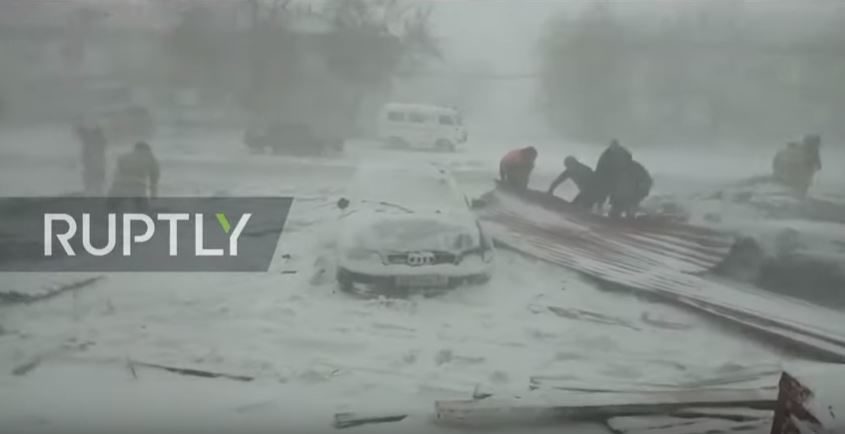
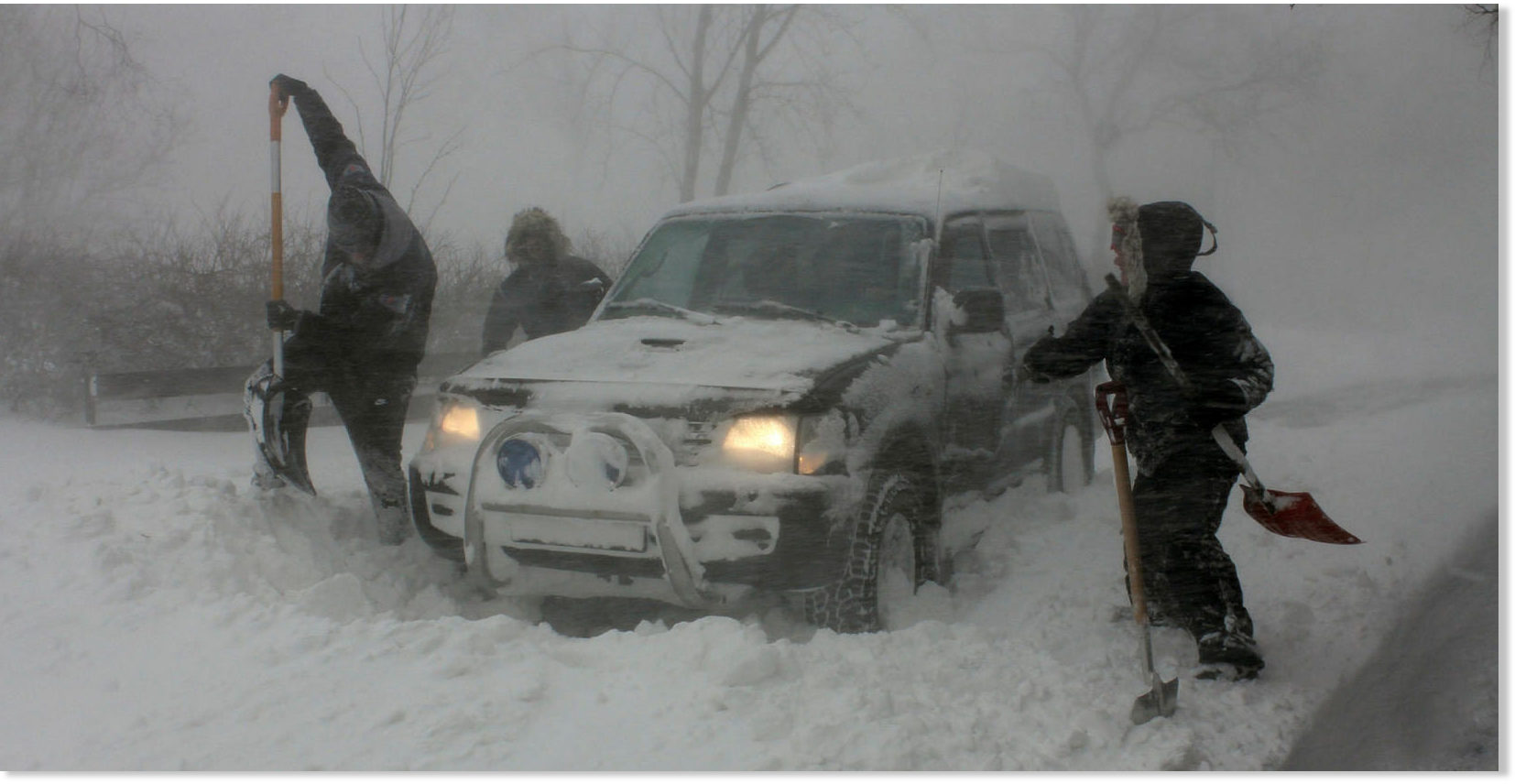
A powerful blizzard hit the Kurgan region on Tuesday, prompting authorities to declare temporary restrictions on people's movement. Footage shows strong winds blowing snow over the town of Kurgan, as traffic signs, cars, trees, and bus stops showed signs of heavy damage due to the storm.
The Ministry of Emergency Situations announced that temporary restrictions have been implemented to curtail residents' movement and limit access to public roads. According to weather forecasters, wind speed is expected to hit 20-25 metres per second at night.
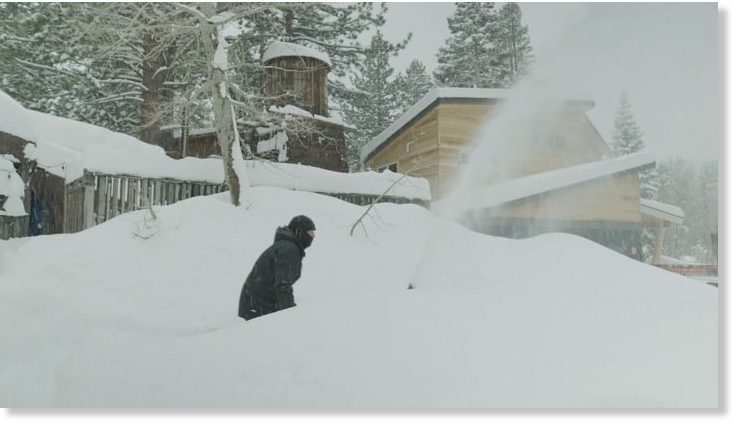
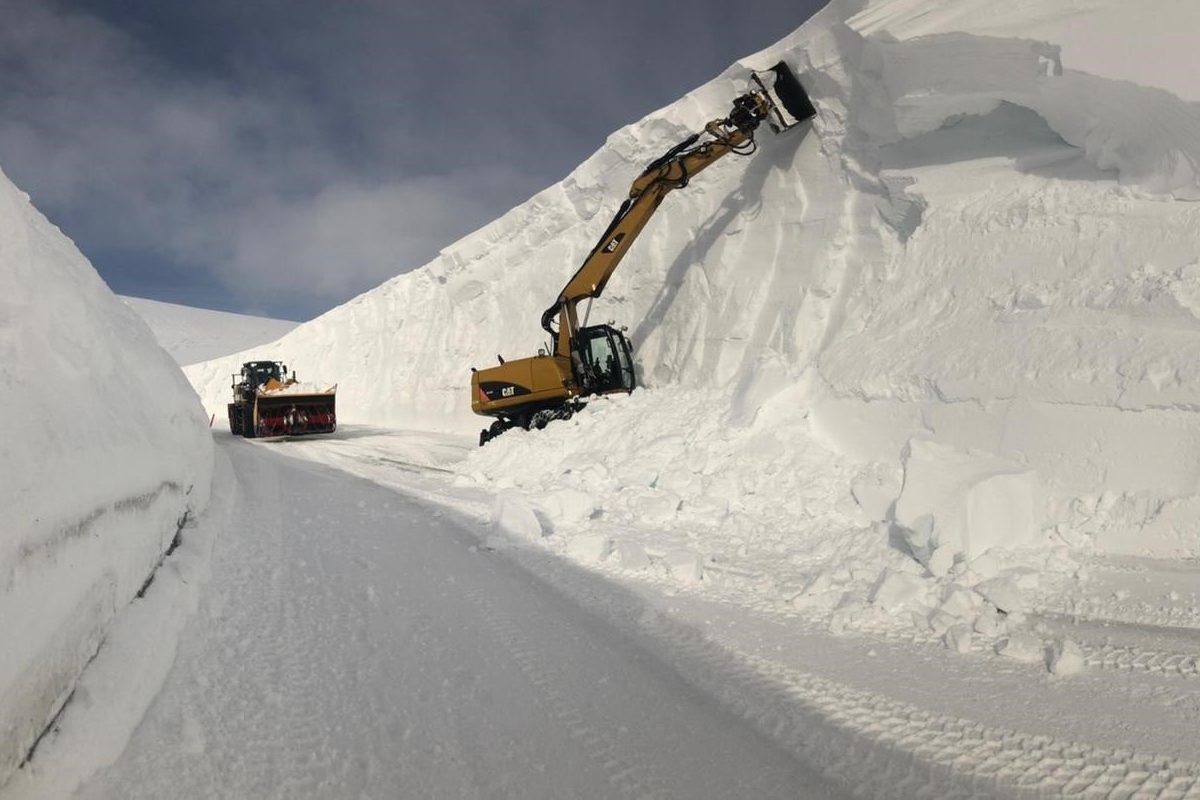
Northern Norway was practically buried by heavy snow over the weekend, and it's been that way all season, according to state meteorologist Eirik Samuelsen.
While fine (but cold) weather was enjoyed in the south this past weekend, the north suffered a rather different story — official snow measurements in the northern municipality of Tromsø saw 30 cm (12 inches) settling on Sunday alone.
But there were large local differences, points out Samuelsen: "Here where I live, on Kvaløya, it came in more than that. And in Breivikeidet, Tromsø it came to 47 inches [almost 4 feet] of new snow from Sunday to Monday.
"I have never experienced so much snow in one day," says Samuelsen.
A powerful storm moved into the Los Angeles region Sunday night, setting a new rainfall record in just hours. On Monday, the heavy-rainfall had officials onguard for the chance of flooding, mudslides over slopes denuded by wildfires as well and dangerous driving conditions in the mountains.
The "powerful late-season winter- like storm" was expected to drop as much as five inches of rain in the San Gabriel Mountains, snow along the Grapevine and up to two inches of rain along the coast. After the driest February on record, and a March characterized by small storms, this April storm is one of the biggest to hit the region in months. A record rainfall rate for an April 5 was recorded Sunday at Sandberg in the L.A. County portion of the San Gabriels. The 0.51 inch recorded bested the 0.5 set in 1969.
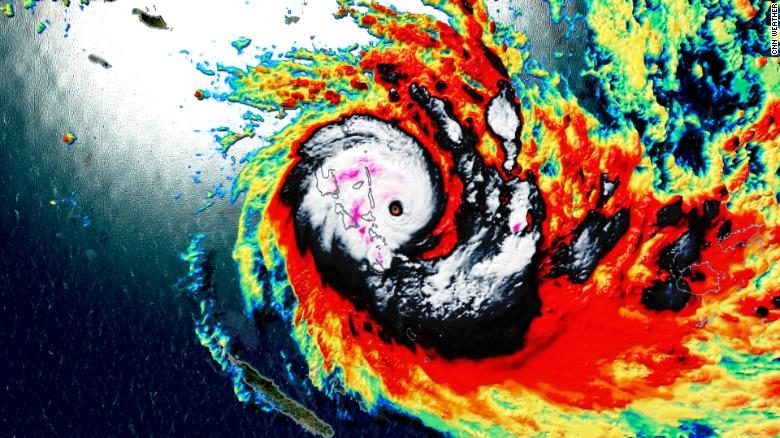
A satellite image shows Harold slamming Vanuatu on Monday
In Vanuatu, homes have been destroyed and livelihoods ruined by Tropical Cyclone Harold, which passed through the country's northern islands as a category-five system, wreaking devastation.
The total scale of the destruction is not yet clear as main communication lines to the hardest hit islands of the archipelago nation have been severed.
But pictures from Espiritu Santo and Malo Islands show villages reduced to ruins by the storm, which reportedly carried 235km/h winds, overnight.
Save The Children, which has staff in Santo and the capital Port Vila, believe the eye of the monster system travelled directly over Luganville, the country's second biggest settlement, with 17,000 people.
Comment: Severe Weather Europe reports that Tropical Cyclone HAROLD became the 2nd strongest cyclone to hit Vanuatu on record with peaks at 165 knots (912 mbar)!
Severe weather hit every part of the country over the weekend, with the exception of the capital area, Morgunblaðið reports.
In the West Fjords, the Icelandic Coast Guard ship Þór was on stand-by in Ísafjarðardjúp fjord, where the wind speed reached 50-60 knots, and visibility was next to none.
"We are ready, should we be needed," Captain Halldór B. Nellett told Morgunblaðið yesterday. "For the past few days, roads have been impassable, and all flights have been canceled to this area. The only passable route is by ship. "
On Saturday, Þór sailed to Ísafjörður to pick up coronavirus samples, which it transported to Arngerðareyri - at the innermost part of Ísafjarðardjúp fjord. There, the ship sailed as close to the shore as possible, where some crew members went by boat the last stretch to shore. On the dock, rescue workers awaited them and received the samples, which were subsequently transported to Reykjavík for analysis.
"Mr. President, the GLADIO system has operated for four decades under various names. It has operated clandestinely, and we are entitled to attribute to it all the destabilization, all the provocation and all the terrorism that have occurred in our countries over these four decades, and to say that, actively or passively, it must have had an involvement. It was set up by the CIA and NATO which, while purporting to defend democracy, were actually undermining it and using it for their own nefarious purposes."
~ Greek MEP at a European Parliament debate about 'Operation GLADIO', 22 November 1990
- Vassilis Ephremidis
”
Recent Comments
Crikey, I was stupid enough to click the link - what a face of mental illness....









Comment: See also:
- Global cooling to replace warming trend that started 4,000 years ago - Chinese scientists
- Professor Valentina Zharkova explains and confirms why a "Super" Grand Solar Minimum is upon us
- Researchers find depths of Pacific Ocean cooling, possibly linked to Little Ice Age
Also check out SOTT radio's: