Animals
S


Eye 2

10-year-old boy found dead after crocodile attack in Malawi; 2nd such incident locally in 3 months

croc
© EPA
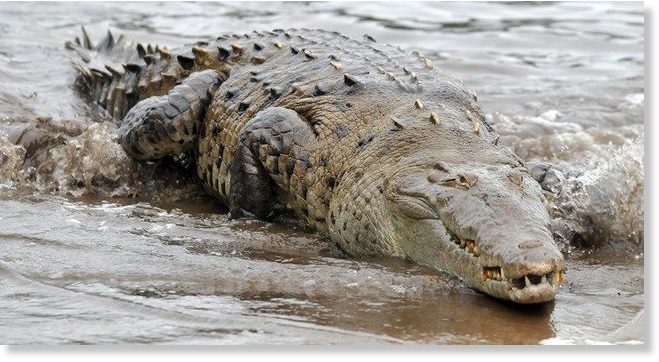
The body of a 10-year-old boy who was attacked by a crocodile was discovered in the Southern African country of Malawi on Saturday, police said.

Owen Sanudi was attacked by the reptile while he was swimming with friends in the Shire River, which passes through Liwonde National Park, police spokesman Davie Sulumba said.

"The deceased was attacked by a hungry crocodile and he drowned in the river," said Sulumba. "Post-mortem results from Machinga District Hospital proved that the death was due to loss of blood and suffocation."

The incident was the second death caused by a crocodile in the district within three months, a situation linked to lack of prey for the crocodiles, Sulumba told the German Press Agency (DPA).

Reports have suggested that Malawi's decision to join the International Convention on Endangered Species (CITES), which limits the culling of crocodiles, has led to a rise in their numbers.

Source: DPA

Attention

Body of whale shark found washed ashore in Tamil Nadu, India; third in the region since May

Whale shark
Whale shark
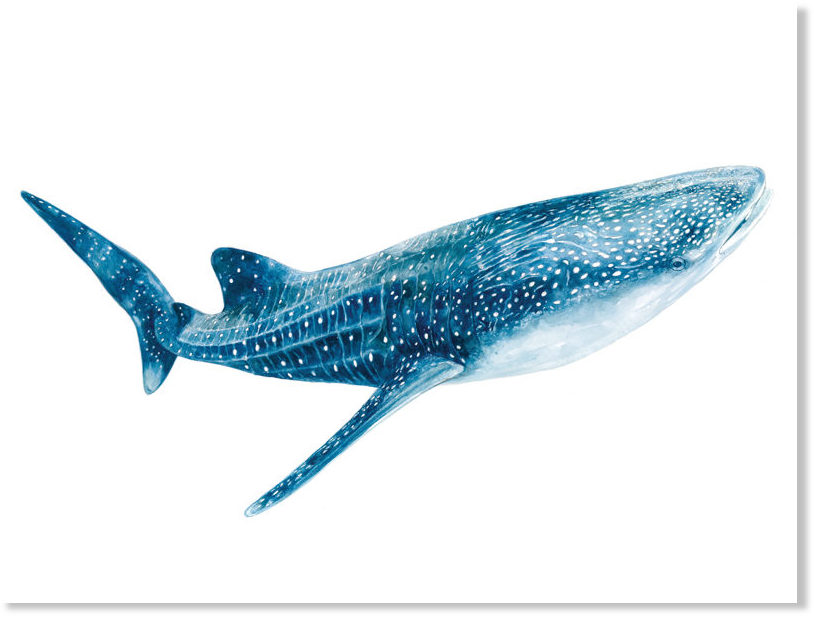
The carcass of a young female whale shark was found washed ashore on Mookaiyur seashore near Sayalkodi on Thursday.

On being alerted by the local people, a team of forest personnel, led by Sikkandar Basha, Forest Range Officer, Kilakarai, who is in charge of Thoothukudi range, inspected the carcass on Friday and buried it on the shore after postmortem by a veterinary surgeon.

The postmortem revealed an internal haemorrhage and the whale shark could have died after hitting against a rock or fishing vessel, he said. The two-year-old young whale weighed about 1.5 tonnes and measured 375 cm in length and 280 cm in circumference.

The length of the dorsal fin measured 47 cm and the caudal fin measured 76 cm, he said.

Comment: There seems to have been a high number of such incidents involving this species over the last 2 years, see also: Another whale shark found dead, the latest in Gujarat, India

Three dead beached whale sharks found in Indonesia

Whale shark found washed ashore in Tamil Nadu, India

Dead whale shark washes ashore on beach in Puri, India

Dead whale shark found in Tanza Bay, Philippines

Dead whale shark found in Tamil Nadu, India

Dead whale shark found on beach in Odisha, India

Whale shark discovered dead in coastal waters of Shandong, China

Whale shark found dead at Palghar, India

Dead whale shark discovered on coast of Bukas Grande Island, Philippines


Black Cat

Leopard kills man and attacks several others in Assam, India

LEOPARD
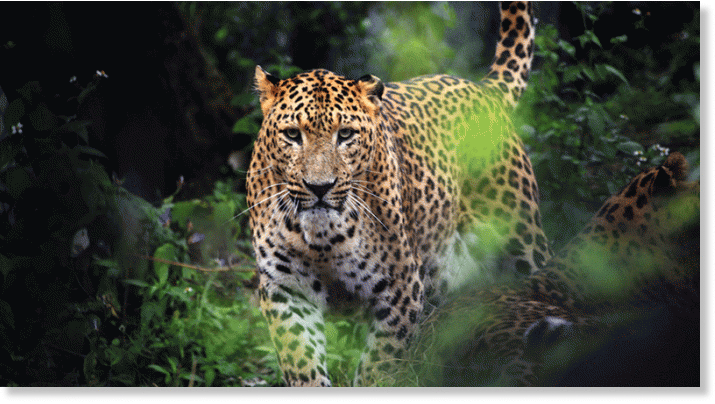
A 23-year-old person, who was injured in a leopard attack here on Sunday, died today.

The man, identified as Anowar Ali was seriously injured as he fought with a leopard at Dhirenpara and saved at least six persons.

Ali succumbed to his injuries on Thursday morning.

A leopard that came down from a neighbouring hill went berserk on Sunday morning injuring several residents in the city's Dhirenpara area. The incident sent shock waves among residents and children who ran for cover. Police had awarded Ali with Rs. 3000 on Sunday for helping save lives.

Music

Study reveals how the songbird changes its tune in a way 'very similar' to human speech

Study reveals how the songbird changes its tune Biology
© Brainard Lab / UCSF
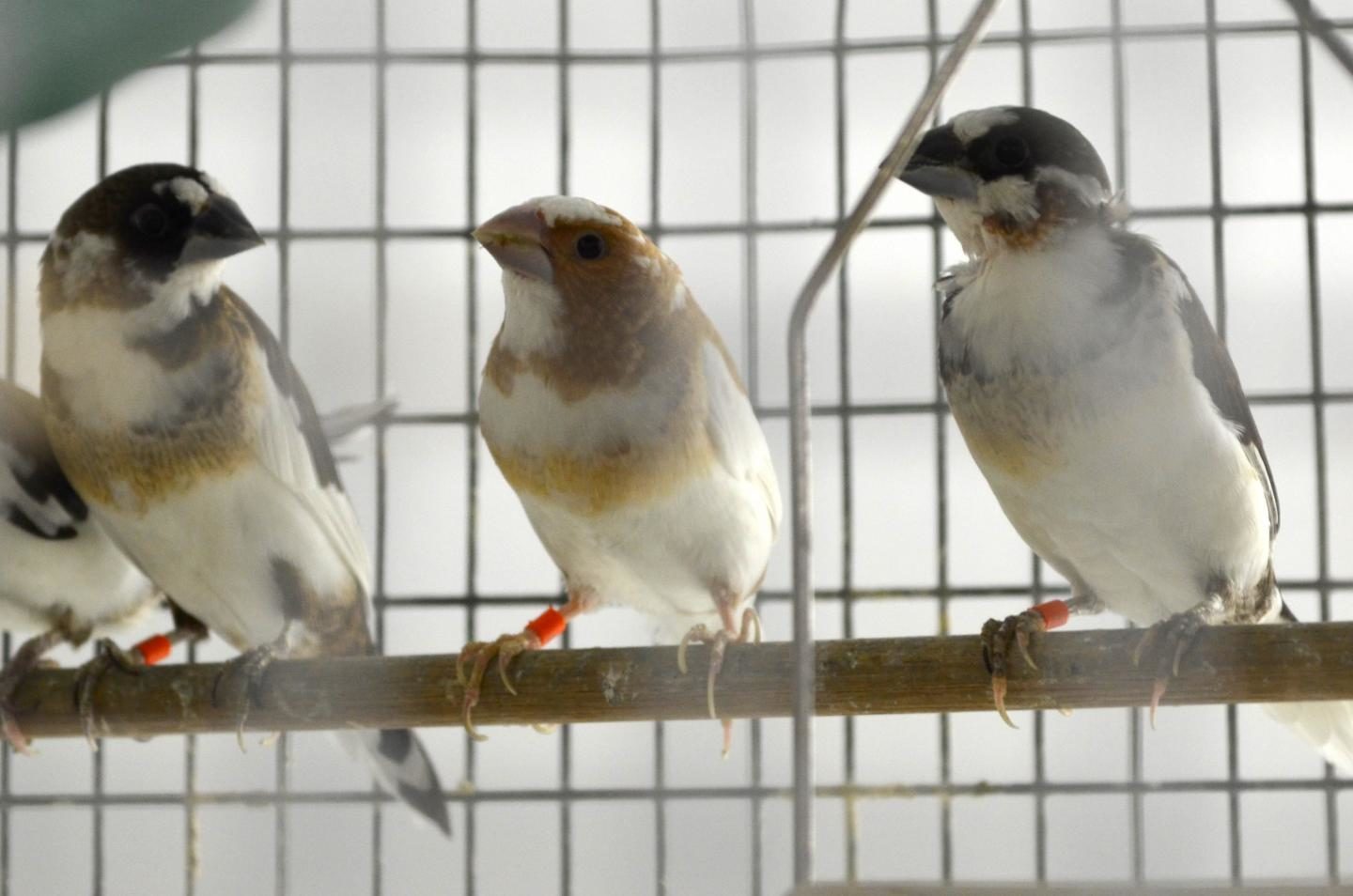
Researchers at UC San Francisco have shown how the Bengalese finch, a domesticated songbird, can learn to tweak its song in specific ways depending on context, which could shed light on how the human brain learns to apply different rules depending on the situation, and have implications for understanding human language and movement disorders.

The study, published November 16, 2017, in Neuron, showed that finches switch from generic to specific versions of their songs depending on the situation they are in. What's more, the researchers identified two distinct areas in the birds' brains dedicated to this learning process: one region that encodes generalizable rules to produce default songs, and another area that can override the default pathway to produce different sounds for different contexts.

This is much like how your own brain learned in infancy the standard arm movement to reach and grab an object, but since then has also learned to adjust the force of your arm and grip of your hand based on the situation - if, for example, you are picking up a full cup rather than an empty one.

Comment: Also See:


Bug

Man dies after being attacked by a swarm of bees in Victoria, Australia

bees
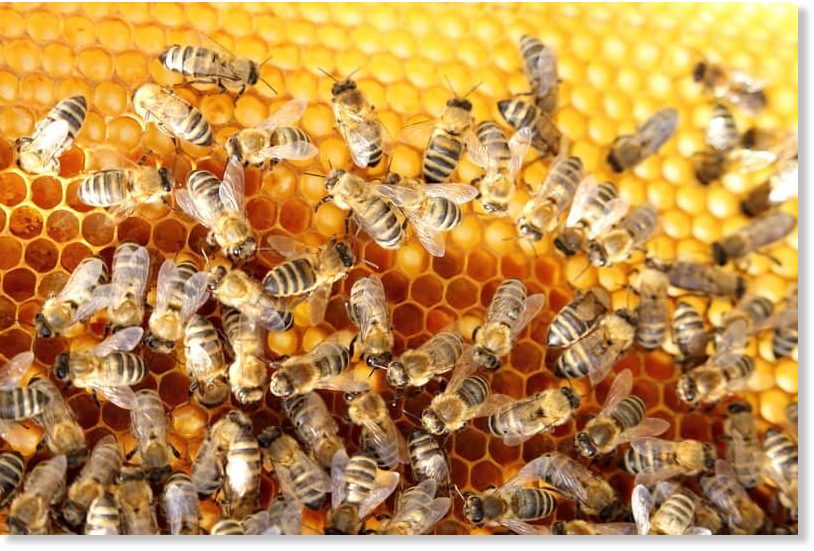
A man has died after being stung by a swarm of bees on a farm in country Victoria.

The 30-year-old man came under attack about 10am while working on a property on MacArthur Street, at Dunkeld, in western Victoria.

It is understood the man was working at the property as a gardener.

Worksafe officers attended the scene and a report is being prepared for the coroner.

Attention

Baby sperm whale dies at Juno Beach, Florida

Stranded whale reported near Juno Beach pier
© Matthew LongfellowStranded whale reported near Juno Beach pier
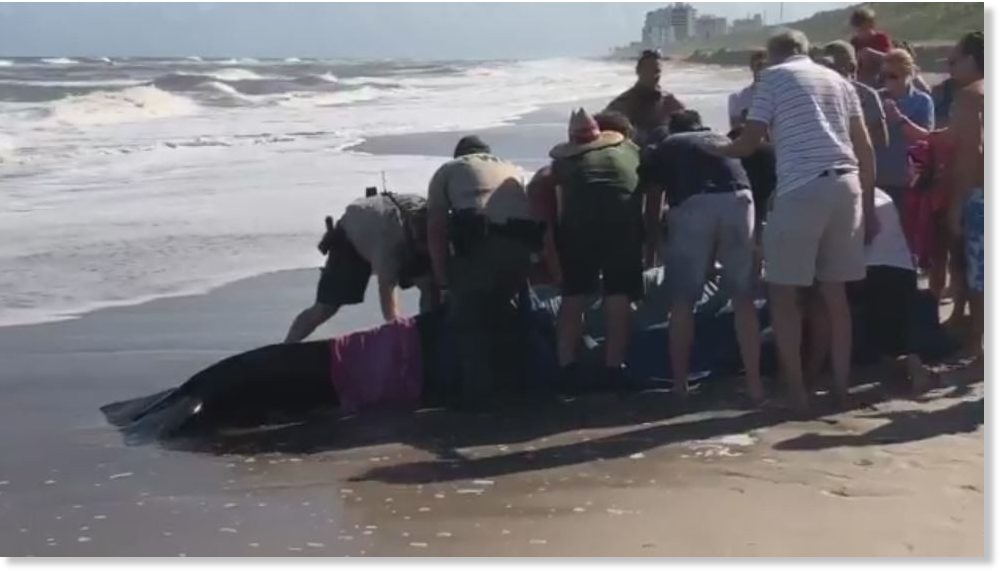
A baby Sperm whale that was stranded near the Juno Beach Pier on Wednesday has died, Jupiter police said.

Video posted to Twitter by Matthew Longfellow shows dozens of beachgoers trying to help the whale. The Florida Fish and Wildlife Conservation Commission was also on scene.

However, the whale died a few hours later while being sedated.


Info

Earliest cave drawings of dogs found by archaeologists

Hunting Dogs
© (Top to bottom): Alexandra Baranova/Wikimedia Commons; M.Guagnin et al., Journal of Anthropological Archaeology, 2017The ancient hunting dogs of Saudi Arabia (bottom) may have resembled the Canaan breed of dog (top).
Carved into a sandstone cliff on the edge of a bygone river in the Arabian Desert, a hunter draws his bow for the kill. He is accompanied by 13 dogs, each with its own coat markings; two animals have lines running from their necks to the man's waist.

The engravings likely date back more than 8000 years, making them the earliest depictions of dogs, a new study reveals. And those lines are probably leashes, suggesting that humans mastered the art of training and controlling dogs thousands of years earlier than previously thought.

"It's truly astounding stuff," says Melinda Zeder, an archaeozoologist at the Smithsonian Institution National Museum of Natural History in Washington, D.C. "It's the only real demonstration we have of humans using early dogs to hunt." But she cautions that more work will be needed to confirm both the age and meaning of the depictions.

The hunting scene comes from Shuwaymis, a hilly region of northwestern Saudi Arabia where seasonal rains once formed rivers and supported pockets of dense vegetation. For the past 3 years, Maria Guagnin, an archaeologist at the Max Planck Institute for the Science of Human History in Jena, Germany-in partnership with the Saudi Commission for Tourism & National Heritage-has helped catalog more than 1400 rock art panels containing nearly 7000 animals and humans at Shuwaymis and Jubbah, a more open vista about 200 kilometers north that was once dotted with lakes.

Fish

Sea creatures 7 miles down are eating plastic

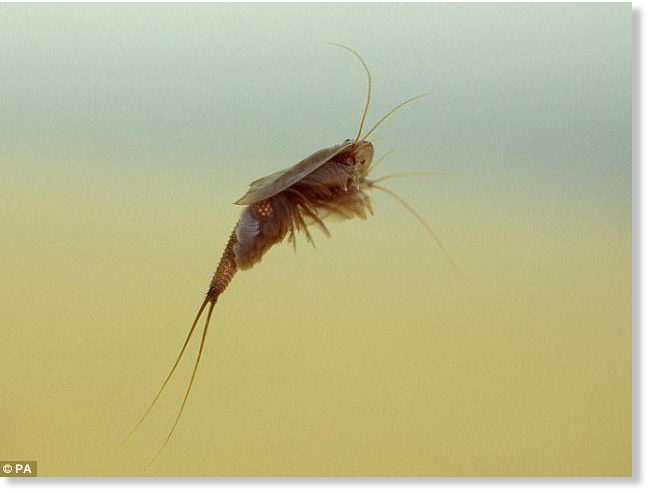
Crustaceans, such as the tadpole shrimp (pictured), are eating plastic, scientists have confirmed
Sea creatures in one of the deepest places on Earth have been found for the first time with plastic fibres in their stomachs.

Crustaceans almost seven miles down in the darkest depths of the Pacific Ocean are eating plastic, scientists have confirmed.

The finding, which is the deepest possible record of microplastics, means nothing living in the world's seas is now likely to be untouched by manmade rubbish.


Every creature sampled at the bottom of the Mariana Trench in the Pacific had swallowed microscopic fragments including nylon, polyethylene and polyvinyls similar to PVC.

Dr Alan Jamieson, from Newcastle University, who led the study, called the results 'immediate and startling'.

Fish

Tons of dead fish found along 1.3 km of beach in Liepaja, Latvia

File Photo
© Juho KuvaFile photo
Environmental experts are investigating the death of several tons of fish that have been washed onto a beach in Latvia's southwestern seaside city of Liepaja this week, local media reported on Wednesday.

About three tons of fish washed ashore on a 1.3 km long stretch of the Liepaja beach, authorities said.

Andris Junkurs, head of resource control at the Latvian State Environmental Service, said that although initially it was thought that the fish had been dumped into the Baltic Sea by some fishermen, this hypothesis had to be ruled out eventually.

The environmental authority's fish control department analyzed satellite images in an attempt to detect the fishing boat that might have dumped an unwanted catch of round goby at sea.

Cow Skull

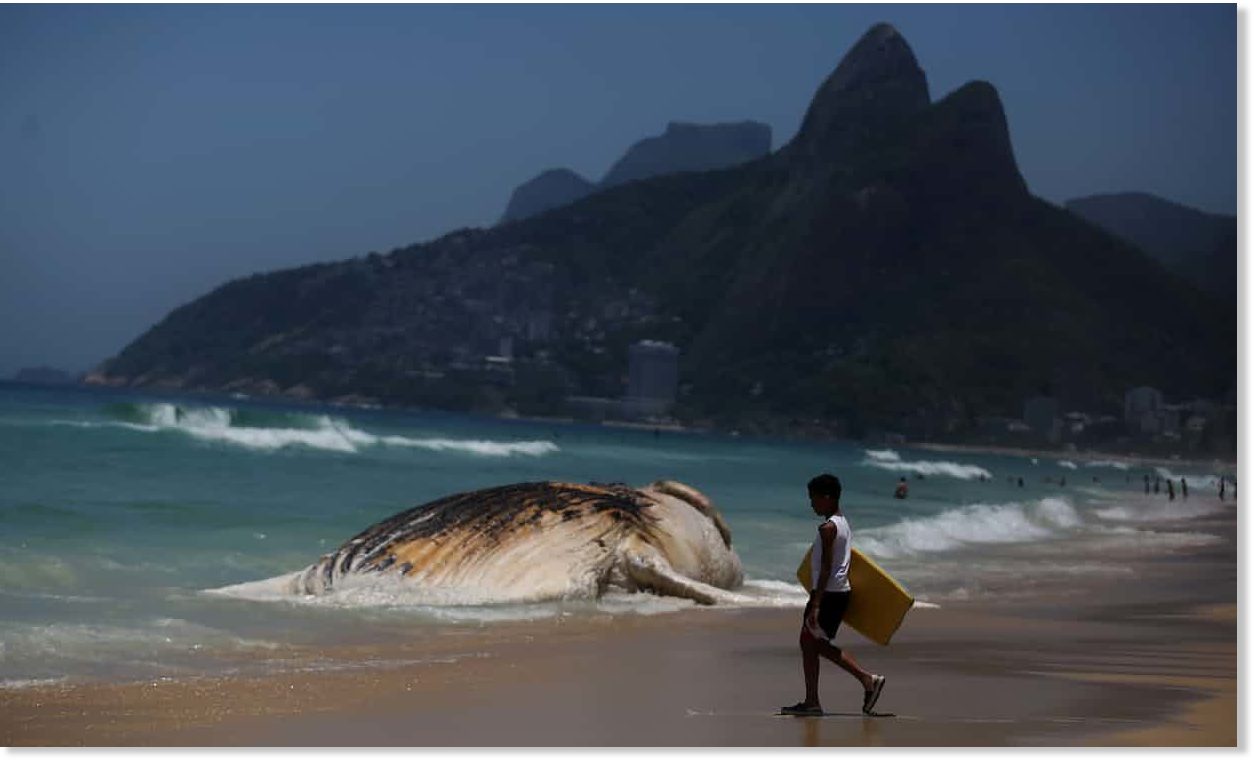
Huge dead humpback whale washes up dead on Ipanema Beach, Rio de Janeiro (VIDEOS)

A dead whale on the shore of Ipanema beach in Rio de Janeiro, Brazil.
© Pilar Olivares/ReutersA dead whale on the shore of Ipanema beach in Rio de Janeiro, Brazil.
A huge dead whale has washed up on a beach in Brazil as authorities warn holidaymakers to stay away from the decomposing animal.

The 30-tonne whale is thought to have been dead for at least a week, before it arrived on Ipanema beach in Rio de Janeiro.

The dead whale is releasing a bad smell and people have been warned to stay back.

The animal's jaw has come away from the rest of its body and is due to be removed for further investigation in the next dew days.