Health & WellnessS


Health

10 reasons you should be eating more monounsaturated fat

monounsaturated fat
Amidst all the debate over how saturated fat and PUFAs differentially affect our health, we often forget about monounsaturated fats, or MUFAs. These are almost universally tolerated, if not loved. No one really maligns them. Vegans and carnivores alike consume them on a regular basis. You find 'em in nuts and seeds alongside PUFAs. You find them in animal fats alongside saturated fats. In most healthy diets, whether alternative (Primal, keto) or conventional (Mediterranean, AHA), monounsaturated fats feature prominently. They can't really be avoided.

But they're an afterthought in hard core nutrition geek circles. Probably because no one really attacks them. Probably because they're uncontroversial.

Let's change that. Today, I'm going to explain why, in explicit detail, you should be eating more monounsaturated fat—if you aren't already.

1. It's surprisingly stable

Saturated, monounsaturated, and polyunsaturated fats are defined by their molecular structure. When we talk about "oxidized fatty acids," we're talking about oxidation of the carbon atoms that lie between double bonds. PUFAs are highly unstable because they have two more double bonds; that's two more weak spots vulnerable to oxidative damage. Saturated fats are highly stable because they have no double bonds, no weak spots. MUFAs, with their one double bond, are theoretically vulnerable to oxidation—but it rarely actually happens. The literature shows that MUFA-rich oils, like olive and avocado, are highly resistant to heat damage during cooking.


Snakes in Suits

'Food' industry trying to hide toxicity of their products by seeking exemptions from FOIA requests

BigAg, food industry corruption
"Let food be thy medicine and medicine be thy food," the famous quote attributed to Hippocrates, is probably more important today than ever before as a handful of corporations, dubbed Big Food, gain more control over the food industry. Hippocrates' statement brings up a very complex question:

Is food as 'healthy' as it used to be, and can it still effectively protect and heal the human body?

Consider that, today, what we call food isn't always real food.It is produce and meat products full of pesticides, herbicides, hormones, antibiotics, and/or GMOs. Or it is pantry food products filled with additives, chemicals, preservatives, industrial by-products, and other non-food ingredients. In order to identify real food, shoppers must look for certification labels that help identify foods that are organic, non-GMO, grass-fed, unpasteurized, without hormones, etc.

The shift in the food industry towards chemical-laden products has allowed food corporations to create products that last longer, look better, and taste better to certain consumers. Certain chemicals in food products can be powerful enough to cause a physiological response in the body to create cravings, and even food addictions, and are used exactly for this purpose. Some additives, such as hormones and antibiotics, are used to support an expanding industrialized food production system. They are destroying small farms and humane farming practices in the process, while decreasing the quality and nutritional value of the end product...the food.

Comment: Is the Food Industry Manipulating Your Chemistry?


Health

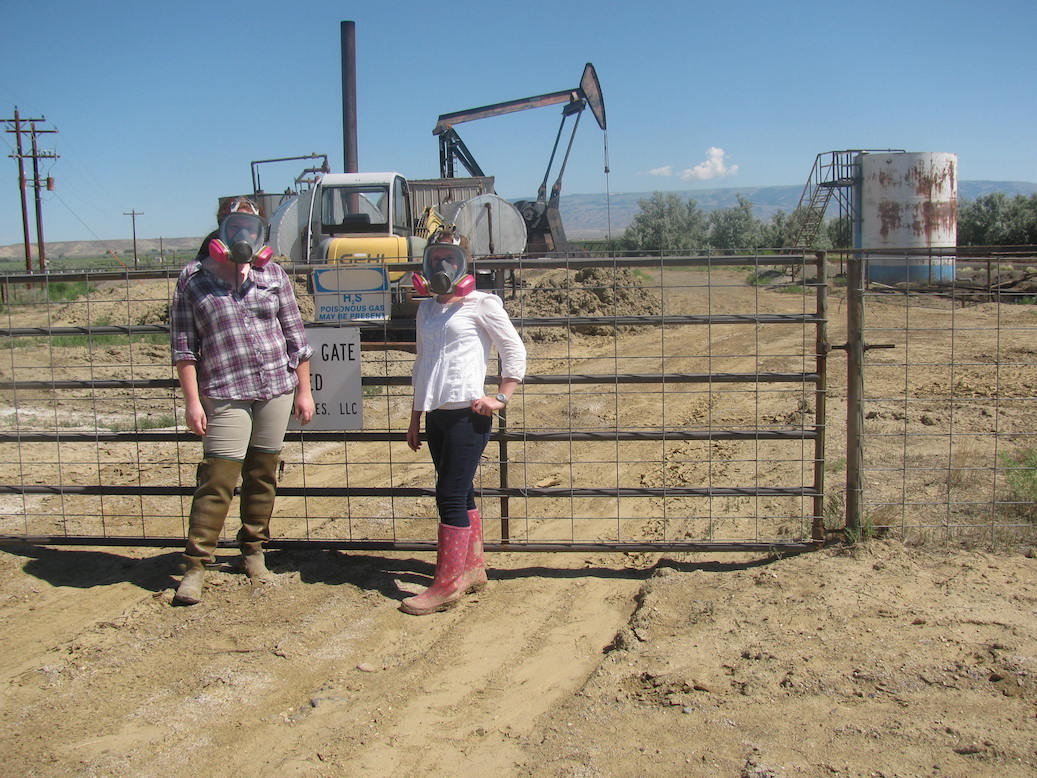
Study confirms presence of high level of toxins in people living near oil and gas drilling and storage areas

gas masks O&G drilling
© Coming cleanThe study found traces of volatile organic compounds such as benzene and toluene are linked to chronic diseases like cancer and reproductive and developmental disorders.
Study first to show that harmful chemicals from natural gas operations are contaminating bodies of Pavillion, Wyoming residents

Many of the toxic chemicals escaping from fracking and natural gas processing sites and storage facilities may be present in much higher concentrations in the bodies of people living or working near such sites, new research has shown.

In a first-of-its-kind study combining air-monitoring methods with new biomonitoring techniques, researchers detected volatile organic compounds (VOCs) released from natural gas operations in Pavillion, Wyoming in the bodies of nearby residents at levels that were as much as 10 times that of the national averages.

Some of these VOCs such as benzene and toluene are linked to chronic diseases like cancer and reproductive and developmental disorders. Others are associated with respiratory problems, headaches, nosebleeds, and skin rashes.

"Many of those chemicals were present in the participants' bodies at concentrations far exceeding background averages in the US population," notes the study, titled "When the Wind Blows: Tracking Toxic Chemicals in Gas Fields and Impacted Communities," which was released last week.

Comment: The evidence is now undeniable that fracking poses enormous risks to the environment and the health of those living nearby:


Attention

Long-term risks of early puberty - navigating early development in today's girls

the new puberty
© The Atlantic
Girls who start to develop at young ages—as more and more of them are—are at risk for a host of physical and psychological problems.

"I wanted to call the book The New Normal, but everyone around me said no, you can't!" said Louise Greenspan, a pediatric endocrinologist and co-author of a book that ended up being called The New Puberty: How to Navigate Early Development in Today's Girls, on Sunday at Spotlight Health, a conference co-hosted by the Aspen Institute and The Atlantic. "It may be average, but it's not okay."

Greenspan is also a co-author of a longitudinal study that looked at around 1,200 girls ages six to eight, and followed them for seven years, from 2004 to 2011, to see when puberty began for them. While puberty in girls is often measured using the onset of their first menstrual period, the first sign is actually breast development—it's just that first period is easier to measure, because people typically remember it. For breast development, a doctor really has to do an in-person exam. (Puberty onset in boys hasn't been well-studied, but it doesn't seem to be following these same patterns.)

Comment: Precocious puberty in girls is epidemic and getting worse


Bullseye

Anti-Vaccination thesis by Judy Wilyman is causing controversy in Australia

vaccine PHD
© edbrambley
Some people excite me. And some people really excite me! And then there is the case of Judy Wilyman, an Australian anti-vaccination proponent who wrote a thesis calling out the vaccination and pharmaceutical industries, and ended up getting her PhD based on it. She's a whole new level of awesome in my eyes. The University of Wollongong issued her a PhD and has also refused to review the case (they are reviewing other PhD cases, but not hers). People are in a total uproar over the matter, calling for the University to rethink its position and strip Wilyman of her PhD.
The University of Wollongong has accepted a PhD thesis from a prominent anti-vaccination activist that warns that global agencies such as the World Health ­Organisation are colluding with the pharmaceutical industry in a massive conspiracy to spruik immunisation.

Judy Wilyman, the convener of Vaccination Decisions and Vaccination Choice, submitted the thesis late last year, concluding Australia's vaccination policy was not a result of independent assessment but the work of pharmaceutical industry pressure on the WHO.
Several medical researchers and public health advocates have slammed the PhD thesis — to be awarded through the university's School of Humanities — with some calling for it to be sent to the university's academic board for review. (source)

Comment: Considering Australia's radical pro-vaccine stance and the recent implementation of the 'No Jab, No Pay' policy, Wilyman's thesis is bound to cause controversy! The following article by Andy Whiteley drives home the fact that the emotion of the vaccine debate has clouded so many people's view of what is the acceptable and lawful action of a supposedly democratic government.
What you need to consider when it comes to mandatory vaccinations

Going a step further, legislators in Australia have recently passed laws that require both children and young adults to be vaccinated in order to receive family tax benefits payments. The newly passed "No Jab, No Pay" laws (see: Social Services Legislation Amendment) will commence as of January 2016 — at the same time that mandatory vaccination laws also in California take effect.

The Social Services Legislation Amendment was originally proposed to cease financial benefits to parents of children up to and including age 7 of who weren't complying with the immunization schedule set out and monitored by the Australian Government. Now however, the Government has quietly altered the age definition of children from "under 7 and born on or after 1 January 1996" to "under 20"with barely a peep from the mainstream media. This amendment is the first step in making vaccines compulsory for all Australian adults.


Beaker

Chronic fatigue syndrome: Could altered gut bacteria be a cause?

gut bacteria
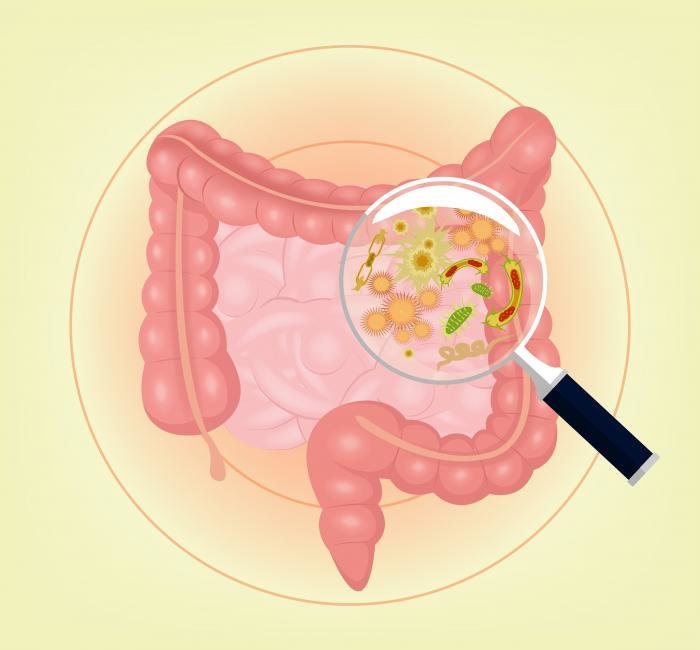
© unknownResearchers found that people with CFS have abnormalities in their gut microbiome.
What causes chronic fatigue syndrome? The answer to this question continues to baffle researchers, so much so that some have even questioned whether the condition exists. Now, a new study by researchers from Cornell University in Ithaca, NY, may have shed light on a biological cause, after finding that patients with chronic fatigue have an altered gut microbiome.

Senior author Maureen Hanson, of the Departments of Molecular Biology and Genetics and Microbiology at Cornell, and colleagues publish their findings in the journal Microbiome.

Also referred to as myalgic encephalomyelitis (ME), chronic fatigue syndrome (CFS) is a condition characterized by extreme fatigue that does not improve with rest.

Comment: Further reading:


Attention

Can you 'catch' stress in a classroom? Science says yes

stressed teacher
© ZouZou | Shutterstock.com
Head lice and strep throat aren't the only things you can catch in a classroom. According to a new study from Canada, stress may be contagious, too.

Researchers found that when 4th- to 7th-grade teachers reported feeling "burned out," their students also had elevated stress levels.

The study "is the first of its kind connecting teachers' stress-related experiences to students' stress physiology in a real-life setting," the researchers wrote in their study, published today (June 27) in the journal Social Science & Medicine.

Comment: De-stress and detox your mind, body and soul with Eiriu Eolas breathing and meditation programme. As well as stress being contagious, it has been found that people who practice meditation can actually have a calming and relaxing effect on people they come into contact with.


Heart

Omega-3 fatty acids reduce risk of fatal heart attack

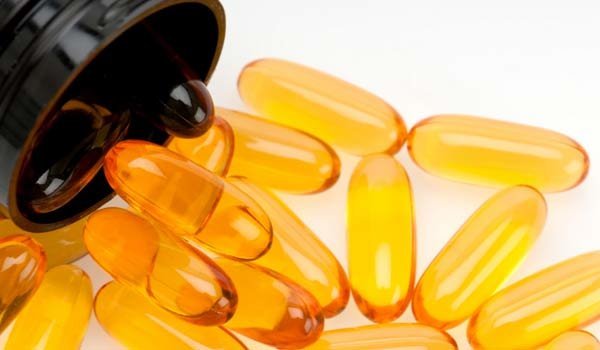
Fish oil capsules
© Korzeniewski | DreamstimeResearchers in Denmark have discovered a potential link between fish oil and better protection from asthma. Their study suggests that mothers who take fish oil supplements during pregnancy make their babies less likely to develop the respiratory condition.
Eating fish, nuts, seeds and plants with omega-3 fatty acidsmay significantly lower your risk of dying from a heart attack, according to the most thorough study to date on this contested nutritional topic.

Previous research on fish oil supplements and other sources of omega-3 fatty acids has shown mixed results, with some studies revealing heart-healthy benefits and others finding no benefit at all.

The latest research, reported today (June 27) in the journal JAMA Internal Medicine, was the largest of its kind to measure the actual levels of omega-3 fatty acids in the participants' blood, as opposed to relying on questionnaires in which people report what they eat. Results based on diet questionnaires are prone to error as a result of people's faulty memory or exaggeration.

Magnify

Is there a link between bacteria and breast cancer?

Breast check
© 9nong | Shutterstock.com
There are bacteria living in women's breast tissue, and these microbes may affect women's health, a new study from Canada suggests.

Researchers found that women with tumors in their breasts had a different mix of bacteria living in the tissue compared with woman who did not have tumors, according to the study.

Although bacteria are much more abundant in other places in women's bodies — such as the mouth, gut and vagina — low numbers of bacteria are present in breast tissue as well, said Gregor Reid, a professor of microbiology and immunology at Western University in Ontario, Canada, and the senior author of the study.

Comment: Further reading:


Red Flag

Dr. Kelly Brogan: Homicide & the SSRI alibi

prescription drugs
What kind of a person would murder their own children? A sociopath, right? A deranged menace to society who deserves to be removed from society for life.

What if I told you that this person could be you, just one psychiatric medication prescription away from who you are today.

With a bottle of Seroquel nearby, Sofya Tsygankova, was found at the scene of her own children's violent murder in Texas today. There is an untold story of the vast and irreversible risks of psychotropic drugs, doled out to millions, without any rigorous diagnostic procedure, any screening for risk vulnerabilities, or any true informed consent about what is known around the amplified benefits and the suppressed risks of these interventions.

Comment: More disturbing facts by Dr. Kelly Brogan about the outcomes of long-term psychiatric treatment:
Dr. Peter Gotzsche, head of the Nordic Cochrane Collaboration, one of the few research outlets free from industry influence, has come out strongly on the lack of efficacy and safety of psychiatric medication. He also has analyzed the behavior of pharmaceutical giants comparing it to that of organized crime. He speaks clearly about his conclusions, on video, in his book, and in interviews, stating:
"Our citizens would be far better off if we removed all the psychotropic drugs from the market...It is inescapable that their availability creates more harm than good."
What are we to do with all of this information? We must start to get more comfortable with these truths:
  • The pharmaceutical industry uses fear to engage customers.
  • It relies on a one-pill-one-ill model that ignores root causes and never asks why a given patient is suffering.
  • It over-promises and under-delivers. It may be a wonderful idea to have a pill that sweeps symptoms away without leaving wreckage in its wake. This is not reality. It is not supported by the literature, and is why I have let go of any application of psychotropics. They don't do what they say they do and they exact harm in the process.
  • There is an easier (ultimately) way to help, to heal, and to resolve psychiatric suffering. It involves looking at the person in their journey, in their environment, and in their bodies.