Health & WellnessS


Cow

Big Pharma presses factory farm antibiotics even as deadly superbugs rise

antibiotics in factory farm animals
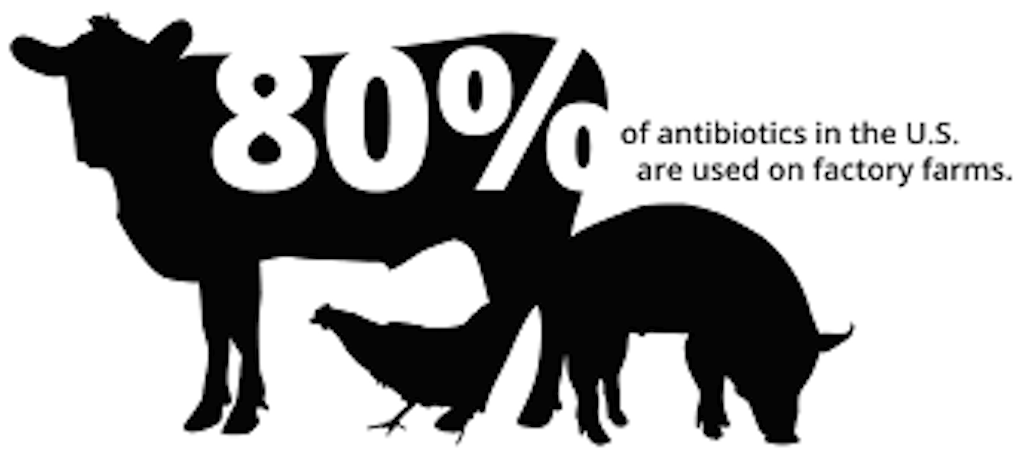
The U.S. wants to fight superbugs by targeting one of the world's biggest markets for antibiotics: farms.

Big pharma has other ideas.

Even as the industry prepares to comply with new U.S. Food and Drug Administration efforts to limit antibiotic use in American livestock, it is marketing the drugs to U.S. veterinarians while continuing to expand sales elsewhere around the world. Bacteria resistant to antibiotic drugs, or superbugs, are a growing problem particularly in hospitals and claim an estimated 700,000 lives annually. Scientists say there is an intimate link between the health of the planet's livestock and that of the human population.


"If some of the biggest responsible parties - namely the companies making the products - are still selling the antibiotics in other countries, it just underscores that this has to be a change that happens across the entire world," said David Wallinga, senior health official and physician at the National Resources Defense Council. "And the companies bear a big responsibility for that approach."


Comment: Read more about the abuse of antibiotics in factory farmed animals and the rise of 'super bugs':


Health

Possible explanations for why you feel tired all the time

tired lady
You're in bed by 11, having had a busy, productive day. After a full night's sleep you wake up naturally and feel exhausted. If this sounds familiar, you're not alone. According to a recent survey of over 20,000 people by researchers at Radboud University in the Netherlands, about 30 percent of visits to doctors involve complaints about being tired all the time. But what are really behind the problems associated with fatigue?

Some 20 percent of people in the US report having experienced fatigue intense enough to interfere with living a normal life. This hits us in our pockets, too: workers who are unproductive because of fatigue cost US employers more than $100 billion a year.

It's perhaps surprising, then, that we are only now beginning to work out what fatigue actually is. Until recently, daytime tiredness was presumed to be nothing more mysterious than simple physical exhaustion or feeling the need to sleep -- the US Centers for Disease Control and Prevention estimates that 35 percent of people are short on sleep. Combine that with the fact that tiredness is subjective and therefore difficult to measure, plus the subject falls somewhere between studies of the body and mind, and it's small wonder fatigue has largely escaped scientific scrutiny.

Comment: There may be more to adrenal fatigue than the author acknowledges: The science of adrenal fatigue & how to overcome it


Health

DEA temporarily reverses kratom ban

kratom
In a stunning reversal, the DEA has withdrawn its proposal to ban kratom and temporarily suspended efforts to make it a Schedule 1 drug. The move comes after an impassioned Internet-based protest by a decentralized network of advocates and activists who contend the southeast Asian plant has tremendous medicinal value. While not a permanent ruling, the reversal is extremely unusual for the government agency, which is known for aggressive enforcement of its drug policies.

DEA spokesperson Melvin Patterson confirmed that the intense public reaction fueled the decision. "That was eye-opening for me personally," he said."I want the kratom community to know that the DEA does hear them. Our goal is to make sure this is available to all of them."

The suspension will allow for an extended timetable for public feedback and further analysis. This will include an evaluation of mitragynine and 7-hydroxymitragynine by the Food and Drug Administration (FDA). A small team of government scientists will now determine whether Americans are allowed to use a curative herbal remedy that has been safely ingested for thousands of years.

Comment: Protecting Big Pharma profits: The DEA aims to make kratom a schedule 1 drug


Health

Breasts have their own microbiome that could influence cancer risk

breast scan, breast microbiome
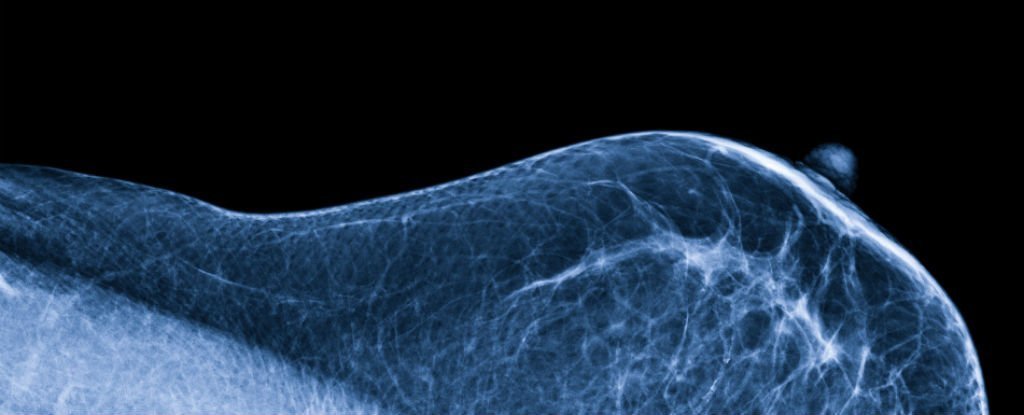
You've probably heard that every human on Earth has a unique set of bacterial colonies living in their gut, and this 'microbiome' has been linked to everything from stoke and chronic fatigue risk, to your ability to control your appetite and weight.

What you might not be aware of is the fact that bacteria also live in women's breast tissue, and new research has found evidence that a person's unique breast microbiome can either prevent or promote the growth of breast cancer.

It's thought that just 5 to 10 percent of all breast cancers are hereditary, meaning there are many different factors that can contribute to a person's risk, including age, weight, race, and previous cancer treatments.

Interestingly, since the 1960s, studies have found that pregnancy and breastfeeding are both associated with a lower risk of breast cancer, with women who haven't had a full-term pregnancy after the age of 30 exhibiting a higher risk than those who have.

More recently, scientists have attempted to find a biological cause to explain this link, and have suggested that the bacteria present in breast milk could play a role in protecting the mother from developing breast cancer. At that time, there was no evidence of bacteria in the actual breast tissue.

In fact, until just two years ago, scientists had assumed that breast tissue was entirely sterile - meaning it contains no bacteria whatsoever.

Comment: See also:


2 + 2 = 4

Surprise! Research shows ADHD drugs fail to help kids complete homework or get good grades

ADHD
Drugs prescribed for attention deficit hyperactivity disorder (ADHD) are among the most controversial on the market. Such drugs are the most common psychotropic drugs used by children (tied for first place with antidepressants),1 yet they have questionable benefits and serious risks.

Medicating children with ADHD is in itself controversial, especially because there is no laboratory test or objective method to determine which children have ADHD.

Some may be labeled as such by parents or teachers, and even those diagnosed by a mental health professional may be displaying symptoms that could be attributed to other causes.

Many of the symptoms, such as being easily distracted, squirming and fidgeting, are seen in virtually all children at some point or another and, should they become problematic, may be better dealt with via lifestyle changes and psychotherapy than powerful stimulant drugs.

Any parent considering drug treatment for a child with ADHD must carefully weigh the benefits versus the risks, and new research suggests the purported benefits do not extend to improvements in school.

Comment: Drugs for ADHD 'is not the answer'! say many researchers. And contrary to 'popular belief' ADHD drugs don't help kids complete homework of get better grades. Read more about how the use of hyperactivity drugs have soared and the serious health effects associated with treating children with stimulant drugs such as Aderrall (detroamphetamine) and Ritalin (methylphenidate):


Document

PAN International releases a shocking review of global glyphosate damage

RoundUp
The full Monograph review can be accessed here: pan-international.org

In a "state of the science" review released Tuesday, PAN International presents a large body of research documenting the adverse human health and environmental impacts of glyphosate and glyphosate-based herbicides and underscores the need for a global phase-out.

Environmental and health advocates say the monograph on the world's most widely used herbicide, commonly known by its original trade name Roundup, should serve as a wake up call for regulators, governments and users around the world.

Adverse human impacts detailed in the review include acute poisoning, kidney and liver damage, imbalances in the intestinal microbiome and intestinal functioning, cancer, genotoxicity, endocrine disruption, reproductive and developmental reduction, neurological damage, and immune system dysfunction.

Comment: How many more 'shocking reports' need to come out before people realize that glyphosate is a serious toxic chemical? 'Government regulatory' organizations continue to ignore the serious health and environmental impacts of the most heavily used weedkiller in world history.


Alarm Clock

Another Drug War failure: Thanks to DEA protecting Big Pharma more babies born addicted to opioids than ever

Big pharma drugs
© arcticcompass.blogspot.com
Over the past two decades, an opioid epidemic has emerged in the U.S., with prescription pain pills and heroin topping the list of the fastest rising addictions. Between 1999 and 2010, "sales for prescription painkillers to hospitals, doctors and pharmacies increased fourfold."

While companies like Purdue Pharmaceuticals pushed their infamous OxyContin pills through doctors and sales reps - despite complaints about addiction and withdrawal symptoms - overdose deaths from prescription painkillers increased 300 percent.

Purdue made $31 billion playing its part in getting America hooked on opioids, under the guise of "effective pain treatment." When people could no longer afford OxyContin or other patented painkillers, they turn to its close cousin heroin, which is far cheaper and relatively easy to obtain through the black market.

The problem is a truly American one, as the vast majority of the world's opioids are consumed in the U.S. Part of the lure of opioids is that they are more effective at numbing emotional pain than they are at managing physical pain in the long-term.

Health

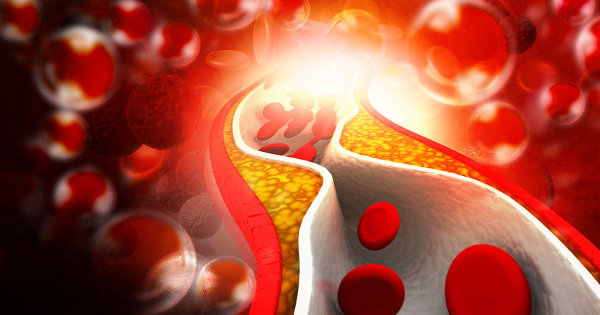
Atherosclerotic plaque as infected biofilm

blood vessel
The main failing in most of Western Medicine is misdiagnosis. You cannot successfully fight what you do not successfully understand.

I first met Stephen Fry M.D. a couple of years ago at his booth at the ACAM meeting at the Diplomat Hotel in Hollywood, and enjoyed an interesting conversation about his work. We met a second time last month again at his booth at a medical meeting. Dr. Stephen Fry runs his own microbiology lab where he examines high powered views of biofilms in atherosclerotic plaque material obtained from surgical specimens.(1-2) These biofilms are colonized by multiple bacterial, fungal and protozoal organisms identified by DNA and ribosomal RNA sequencing. A true pioneer in the field, Dr. Fry has identified a new organism not listed in the gene databank, which he named "Protomyxzoa Rheumatica."

Leaky Gut and LPS

With the recent revelations of Allesio Fasano et al about the increased permeability of the gut wall called "Leaky Gut" which allows bacterial organisms, and undigested food particles into the blood stream, the next logical thought in this sequence is: What happens to all these micro-organisms which are leaking into the blood stream?

Health

Joint pain: New research links heavy cannabis use to brittle bones

Marijuana
© Mark Blinch/Reuters
Heavy cannabis smokers are twice as likely to suffer broken bones than people who use the drug moderately or not at all, new research has found.

Scientists at the University of Edinburgh's Centre for Genomic and Experimental Medicine have discovered people who smoke cannabis frequently develop lower bone density as a result of using the drug, which means they are more likely to suffer fractures.

Researchers believe this could mean heavy smokers are at greater risk of developing osteoporosis in later life.

Comment: This in in contrast to research on the benefits of CBD oil in healing bone fractures:
The researchers had previously found that cannabinoid receptors can stimulate bone formation. In the new study, the team injected rats that had broken thighbones with either CBD alone, or a combination of CBD and THC (tetrahydrocannabinol, the hallucinogenic ingredient in marijuana).

The researchers found that CBD enhanced bone healing by strengthening the cartilage "bridge" that forms when a bone is on the mend. This bridge is called the fracture callus; it's made of collagen, which then gradually mineralizes and hardens into new bone.

In rats treated with CBD, this collagen tissue was stronger, and the collagen molecules more tightly cross-linked with one another, compared to rats not treated with the marijuana compound. What this means, researchers wrote online May 10 in the Journal of Bone and Mineral Research, is that the healed bone in CBD-treated rats is less likely to break in the future compared to the healed bone in untreated rats. In fact, the treated bone is between 35 percent and 50 percent stronger.

THC was not necessary to get this bone boost, the researchers also found.


SOTT Logo Radio

SOTT Focus: The Health & Wellness Show: The medical and social implications of gender multiplicity

transgender
He, her, ze, zer, gender queer, androgynous, person of transgender experience, two-spirited. It seems that, while gender was once such a simple non-issue, in our crumbling world it's become ridiculously complicated. Phrases like "boys and girls" no longer accepted in classrooms, "men" getting pregnant, $250000 fines for calling someone the wrong gender pronoun and toddlers transitioning to the opposite sex - it's never been more confusing to use a bathroom than in the 21st century. On the other hand, violence, bullying, suicides and even murder of transgendered people is at an all time high. Has political correctness gone too far? Are transgendered people being unfairly discriminated against? Is there a physiological component to gender dysphoria or is it a result of childhood trauma?

Join us as we explore the social, psychological and medical issues surrounding gender fluidity.

And, as always, stay tuned for Zoya's Pet Health Segment where the topic will be animal reproduction.

Running Time: 01:10:12

Download: MP3


Here's the transcript of the show: