Health & WellnessS


Life Preserver

Magnesium decreases hyperactivity in ADHD children

magnesium
Magnesium deficiency is found more frequently in children with attention deficit hyperactivity disorder (ADHD) than in healthy children. In one study of ADHD children, magnesium deficiency was found in 95 percent of those examined (1). Does this warrant magnesium supplementation for hyperactive children? The answer is yes.

Supplementation with magnesium appears to be especially helpful for alleviating hyperactivity in children (2). In a group of children supplemented with about 200 milligrams (mg) per day of magnesium for six months, there was "an increase in magnesium contents in hair and a significant decrease of hyperactivity" compared to children in the control group who had not been treated with supplemental magnesium (3).

Magnesium Is Safe and It Works

A review that looked at studies done on magnesium for the treatment of ADHD in children concluded that although "studies supported that magnesium is effective for treating ADHD...until further strong evidences for its efficacy and safety are provided, magnesium is not recommended for treating ADHD." (4) This is typical of modern "evidence-based" medical literature. Some medical professionals will ignore what is already known unless a sufficient number of double-blind randomized studies have been performed. Magnesium supplementation is safe and effective, and it is critically important for children who are deficient.


Comment: See also:

Nutrition plays a role in ADHD: Studies suggest that diet can have powerful effects on behavior
ADHD: A destructive psychiatric hoax


Health

Superagers contradict the amyloid plaque theory of Alzheimer's

Alzheimers
In the last few decades, over $40 billion has been spent worldwide on trying to develop a breakthrough drug treatment for Alzheimer's, and most of these treatments are focused on clearing amyloid plaques which scientists assumed was a major contributor. Now post mortems have revealed that these "superagers" manage to do this even when their brains have the hallmarks of Alzheimer's diseases.

Having an agile mind in your 90s might sound like wishful thinking, but some people manage to retain youthful memories until their dying days.

Superagers have the memory and cognition of the average person almost half their age, and manage to avoid Alzheimer's symptoms. To qualify as a superager, someone must be over the age of 80 but perform as well as 55-year-olds in memory tests. When asked to recall a list of 15 words 15 minutes after hearing them, the average 80-year-old remembers about five, while superagers remember around nine.

Aras Rezvanian at Northwestern University in Chicago, Illinois, and his colleagues have been looking at brain samples donated by such people to try to understand what their secret might be.

Megaphone

Steadfast anti-Vaxxers & their brave fight since the Smallpox vaccine

antivaxxers
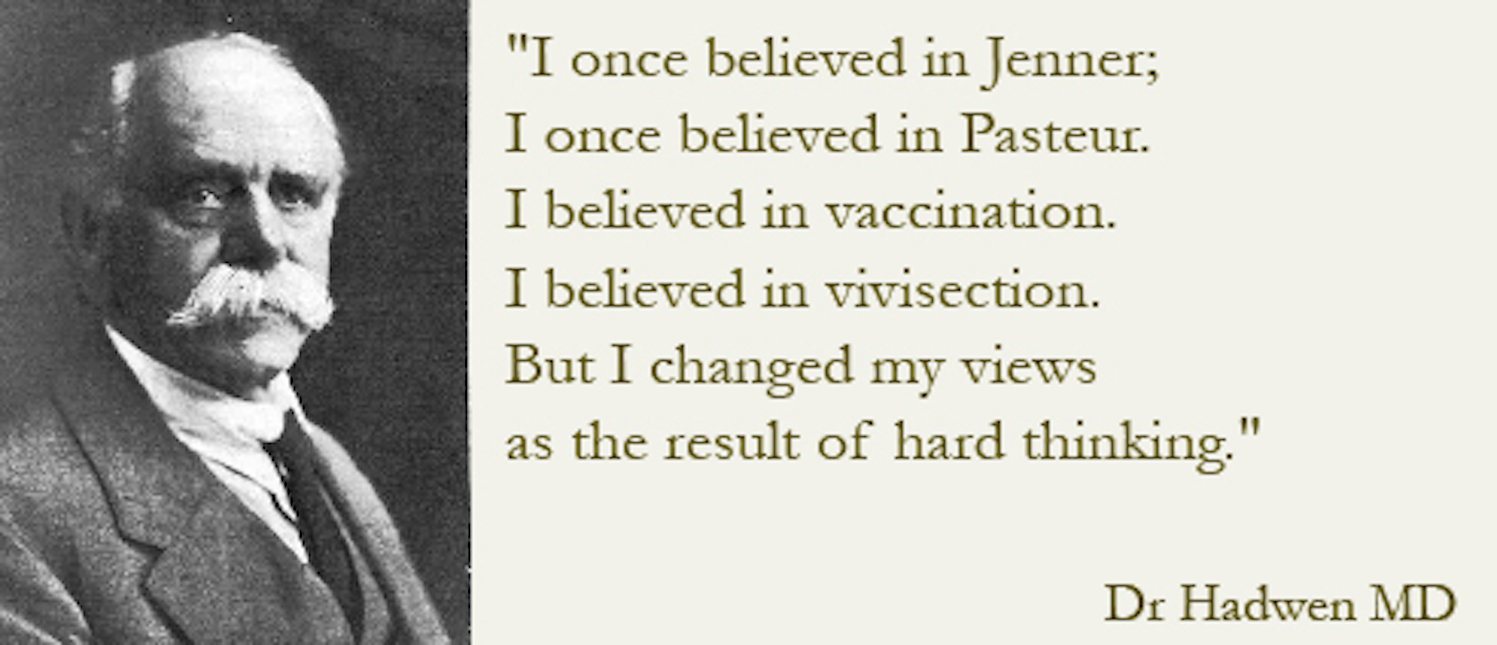
With the development of the very first vaccination of smallpox, brave anti-vaccinators fought against the dangerous, ill-advised practice of vaccinations. Those fighting against vaccines included the most intelligent and respected physicians of their time. [1]

This fight has been steadfast and continuous, as anti-vaccinators fought against an unjust, dangerous medical procedure. Vaccinations have always only profited the vaccine makers, not the people targeted for vaccines. Today's anti-vaccination movement, while still in the minority, is most likely the largest we have had in history.

Comment: Science actually supports Antivaxxers: Vaccines utterly destroy cellular immunity


Music

Musical training induces the formation of new brain connections in children

Music enhances brain connections
© Radiological Society of North AmericaFibers belonging to the greater forceps pre-musical training are observed (A, B, C). Fibers belonging to the same patients after 9 months of musical training are observed below (a, b, c).
Taking music lessons increases brain fiber connections in children and may be useful in treating autism and Attention Deficit Hyperactivity Disorder (ADHD), according to a study being presented next week at the annual meeting of the Radiological Society of North America (RSNA).

"It's been known that musical instruction benefits children with these disorders," said Pilar Dies-Suarez, M.D., chief radiologist at the Hospital Infantil de México Federico Gómez in Mexico City, "but this study has given us a better understanding of exactly how the brain changes and where these new fiber connections are occurring."

Biohazard

Monsanto celebrates approval of deadly herbicide "Dicamba", continues to suppress cancer research

monsanto
The promise that transgenic crops would lead to "greener" agriculture and less chemicals has not come to pass. Instead, more and more chemicals are being used on our food and the feed we raise our livestock on.

Since the introduction of transgenic crops two decades ago, herbicide-resistant weeds have become a serious problem. At least 35 weed species are now resistant to glyphosate, the primary ingredient in Monsanto's broad-spectrum herbicide Roundup.1

Comment: Major biotech companies like Monsanto couldn't care less about the health and well being of the general population, hence why they continue to create more toxic chemicals which are undoubtedly responsible for the destruction of whole ecosystems and chronic illness.

More information on Monsanto's Dicamba:


Syringe

Going too far! Big Pharma reaches into the womb

big pharma
If vaccinating pregnant mothers weren't bad enough, now the vaccine companies would like a twofer by also going after the child in utero.

For many months now, we've been monitoring the progress of the 21st Century Cures bill. This legislation is intended to bring medicine into the 21st century, but as we've noted before, it does the opposite. Rather than looking forward, this bill simply doubles down on conventional approaches that have been in place for decades.

21st Century Cures passed the House last year. The Senate has broken up the bill into over a dozen separate pieces, which could be considered any day now.

Health

Maternal B12 deficiency increases children's risk of developing type 2 diabetes and other metabolic disorders

B12 deficiency
Pregnant women were recently given new information in regard to optimizing their child's health: Make sure you're getting enough vitamin B12.

A recent study revealed that babies whose moms had a B12 deficiency during pregnancy may later have higher odds of developing type 2 diabetes, as well as other serious metabolic problems.1

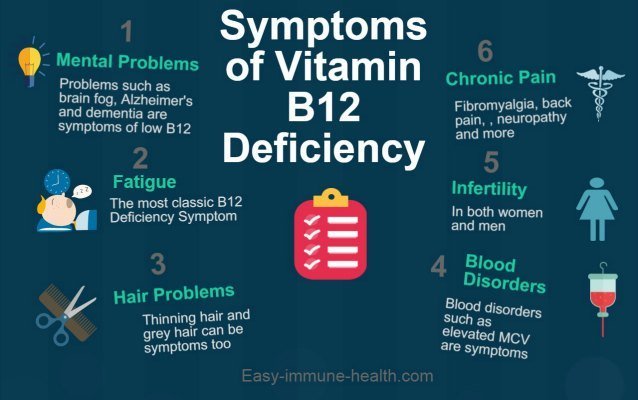
If you've ever gotten "that tired feeling" and general lack of energy, you may not realize you have a vitamin B12 deficiency. It can go undetected for years; in fact, around 15 percent of the U.S. population has this condition.

Several seemingly unrelated symptoms, however, such as poor memory, shortness of breath, loss of taste and smell, depression, and tingling in your extremities, may be an indication that getting your B12 levels checked might be a good idea.

Comment: Cyanocobalamin is the most common form of Vitamin B12 and the form that is usually found in multivitamins and B-complexes. However, cyanocobalamin is a a synthetic form of Vitamin B12, which does not occur in normally in nature, as it can't be synthesized by humans or by other animals. Another problem with cyanocobalamin is that its metabolism may release small amounts of cyanide into the system which is a potential issue for people who have impaired detoxification. The most desirable form of B12 is methylcobalamin, which is the form produced by our gut bacteria.


Health

Is there any aloe vera in your aloe vera gel?

Aloe vera
The aloe vera gel many Americans buy to soothe damaged skin contains no evidence of aloe vera at all.

Samples of store-brand aloe gel purchased at national retailers Wal-Mart, Target and CVS showed no indication of the plant in various lab tests. The products all listed aloe barbadensis leaf juice — another name for aloe vera — as either the No. 1 ingredient or No. 2 after water.

There's no watchdog assuring that aloe products are what they say they are. The U.S. Food and Drug Administration doesn't approve cosmetics before they're sold and has never levied a fine for selling fake aloe. That means suppliers are on an honor system, even as the total U.S. market for aloe products, including drinks and vitamins, has grown 11 percent in the past year to $146 million, according to Chicago-based market researcher SPINS LLC.

"You have to be very careful when you select and use aloe products," said Tod Cooperman, president of White Plains, New York-based ConsumerLab.com, which has done aloe testing.

Aloe's three chemical markers — acemannan, malic acid and glucose — were absent in the tests for Wal-Mart, Target and CVS products conducted by a lab hired by Bloomberg News. The three samples contained a cheaper element called maltodextrin, a sugar sometimes used to imitate aloe. The gel that's sold at another retailer, Walgreens, contained one marker, malic acid, but not the other two. That means the presence of aloe can't be confirmed or ruled out, said Ken Jones, an independent industry consultant based in Chapala, Mexico.

Comment: Benefits of real aloe vera gel:


Apple Red

Toxic genie in a bottle: Glyphosate is lurking on your dinner plate

roundup, glyphosate
As we sit down to eat dinner, do we ever think of what's in our food besides vitamins, minerals, enzymes, protein, roughage and calories? Very few of us, I'd imagine, are aware of the fact that more than we know, not only lurks in most of the food chain, but also in us who eat food. It's almost as if some 'beastie' from the great dark foreboding beyond contaminated just about everything we eat resulting from 'altruistic' corporate interests disguised as supposedly saving humankind from starvation by increasing crop output. That 'beastie' is genetically modified 'phood'.

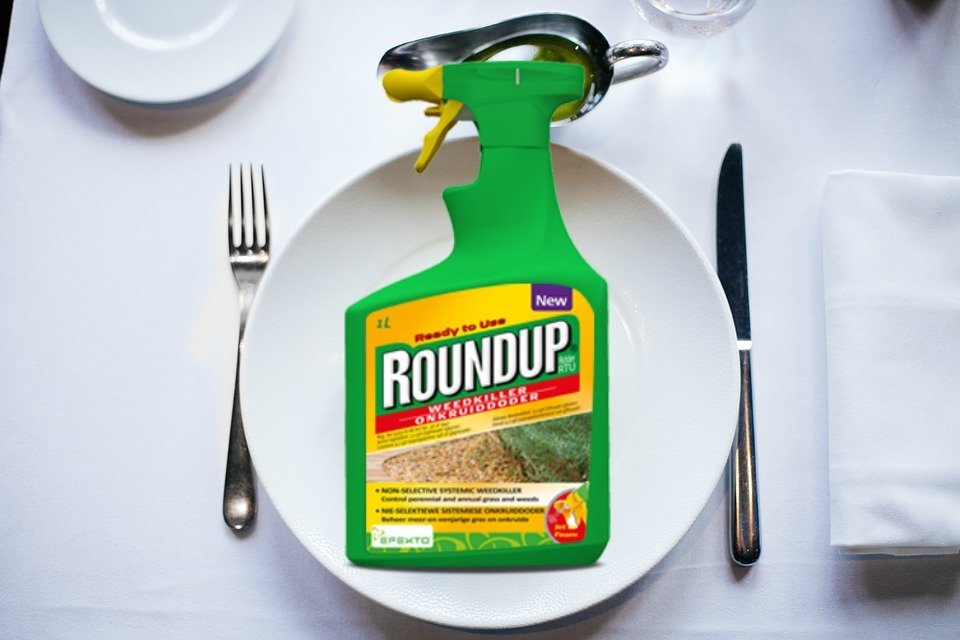
The supposed magic 'elixir' in genetically modified food agriculture is a Class 2A carcinogen [1], glyphosate. That 'genie in the bottle' is marketed under various trade names, but more commonly known as Monsanto's Roundup, including crop seeds called "Roundup-Ready."
Roundup Ready Crops (RR Crops) are genetically engineered crops that have had their DNA altered to allow them to withstand the herbicide glyphosate (the active ingredient of Monsanto's herbicide Roundup). [2]

Comment: Why we should be concerned about the amount of glyphosate in our food supply:
Gut-Wrenching: New studies reveal the insidious effects of Glyphosate"

Contrary to the current widely-held misconception that glyphosate is relatively harmless to humans, the available evidence shows that glyphosate may rather be the most important factor in the development of multiple chronic diseases and conditions that have become prevalent in Westernized societies."
Glyphosate toxicity: An interview with genetic engineer Thierry Vrain

A large number of published scientific studies — mostly done outside the United States — show that as little as 1 ppm of glyphosate will kill almost all bacteria — particularly beneficial bacteria — in the gut of animals; that endocrine disruption starts at 0.5 ppm; and that even just a few ppm can cause oxidative stress, chronic inflammation, DNA damage, and many other disruptions in mammalian organ cells and tissues.

Recent scientific studies clearly show that glyphosate doesn't degrade easily in soil or in humans and animals. A German study suggests that glyphosate accumulates in all organs (liver, kidneys, intestines, heart, lungs, bones, and so on) of animals and people eating food products made from Roundup Ready crops.


Mail

SPIDER letter highlights Center for Disease Control corruption

SPIDER letter
Last month, The Hill published a letter sent by "more than a dozen" senior Center for Disease Control (CDC) scientists charging the agency with nursing an atmosphere of pervasive research fraud.

The group, which claimed to represent scientists across the CDC's diverse branches, calls itself SPIDER (Scientists Preserving Integrity, Diligence and Ethics in Research). The letter to CDC Chief of Staff, Carmen Villar, expressed alarm "about the current state of ethics at our agency." The scientists complained that "our mission is being influenced and shaped by outside parties and rogue interests" and "circumvented by some of our leaders."

The scientists told Villar that, "questionable and unethical practices, occurring at all levels and in all of our respective units, threaten to undermine our credibility and reputation as a trusted leader in public health." The letter charged that staff level scientists "are intimidated and pressed to do things they know are not right," and that, "Senior management officials at CDC are clearly aware and even condone these behaviors."