Health & WellnessS


Light Sabers

Monsanto wants WHO to be investigated after it finds glyphosate is carcinogenic

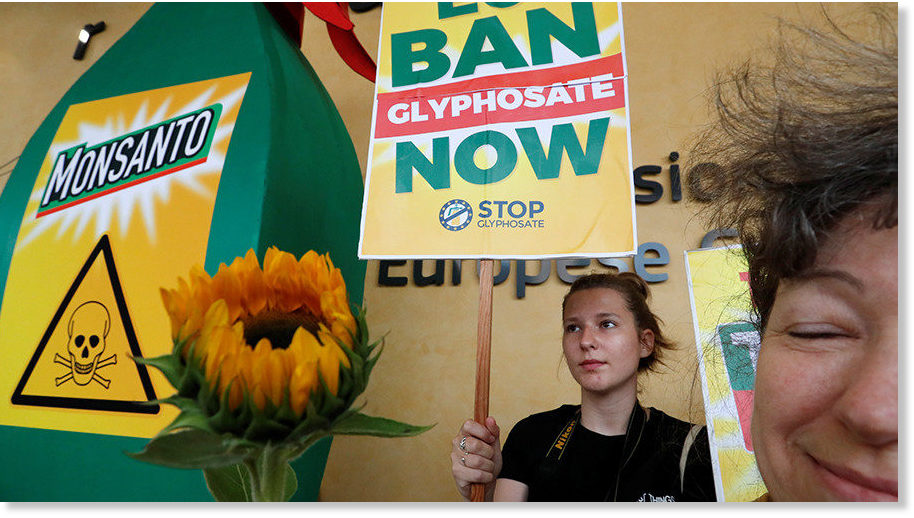
monsanto protest
© Yves Herman / Reuters
Monsanto is calling for an investigation into a World Health Organization agency that found one of its largest weed killers was carcinogenic. The controversial agricultural giant argues that they ignored two major studies that found no link to cancer.

Monsanto is fighting an assessment from the World Health Organization (WHO) that classified glyphosate, the active ingredient in Monsanto's non-selective herbicide Roundup, as "probably carcinogenic to humans."

As a result, the state of California announced in June that Monsanto will be required to put a label on its products that warns customers if it contains cancer-causing chemicals.

So far, more than 900 people who have been diagnosed with non-Hodgkin's lymphoma in the US have sued Monsanto, seeking compensatory and punitive damages for wrongful death and personal injuries based on the WHO assessment, according to Baum, Hedlund, Aristei & Goldman, the law firm representing the plaintiffs in the case.


Beer

Stop claiming alcohol is good for you when it's not

Alcohol
People have looked for miracle remedies to life's maladies for centuries. Before the FDA, snake oil salesmen roamed the U.S. offering tonics that were guaranteed to cure what ails you. Although we've done away with much of that practice through federal regulations, there seems to be one substance with magical properties that scientists are still uncovering: alcohol.

For decades, U.S. researchers have been studying alcohol and finding new benefits from drinking that seem almost too good to believe. Claims about alcohol's abilities range from improving memory to boosting creativity, from reducing the risk of heart disease to making you thinner, and one study even suggested that drinking a glass of wine had the same effect as exercising for an hour.

Comment: See also:


Health

New study links increased breast cancer risk in women exposed to light at night

Blue light
A new study from Harvard has found greater risk of breast cancer in women who live in neighborhoods that have higher levels of outdoor light during the night.

The findings are based on the Nurses' Health Study (NHS), which has for decades been advancing our understanding of risks to women's health.

For this study, epidemiologist Peter James and colleagues followed nurses in the NHS for breast cancer occurrence from 1989 to 2013. The home of each of 109,672 nurses was geocoded, and the average light level in the immediate neighborhood at night was estimated from satellite images taken by the Defense Meteorological Satellite Program. These estimates were updated over the 15-year follow-up period. By 2013, a total of 3,549 new cases of breast cancer had been diagnosed, about what's expected among this number of women.

The study found a direct relationship between a woman's neighborhood nighttime light level before diagnosis and her later risk of developing breast cancer: The higher the light level, the higher the risk. These findings held even when taking into account many other factors that may also affect risk such as age, number of children, weight, use of hormone medications and a long list of additional potential confounders.

Comment:


Health

17 signs you may be dealing with a mold illness

mold illness
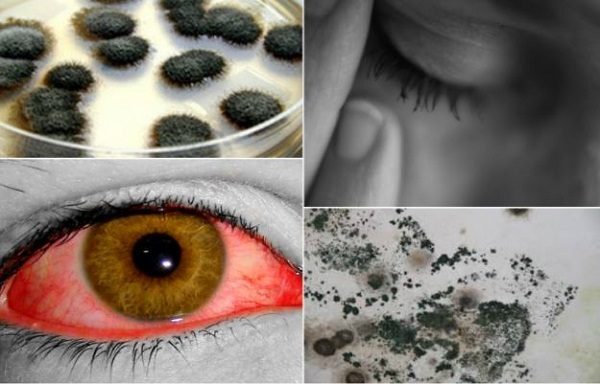
Mold illness could be a serious health risk threatening you and your family. Sometimes mold can't be seen or smelt, yet the fungus may be growing in your home, causing you to feel sick - or you may be eating GMO foods.

Besides accidentally eating moldy bread or another spoiled food, there are a number of other ways you could get a mold illness such as by eating GMOs sprayed with the Roundup chemical.

Glyphosate is alleged to increase the size of colonies of the fungus Fusarium according to New Scientist.

In the year 2000, the U.S. Congress planned to use the fungus Fusarium as a biological control agent to kill coca crops in Colombia and another fungus to kill opium in Afghanistan, but these plans were dropped by then-president Clinton.

According to David Ellis' 2002 article in the Journal of Antimicrobial Chemotherapy, "there are at least 70,000 to possibly 1,500,000 fungal species but only 300 species have been associated with human infections. Only about a dozen yeasts and 30 molds are identified most commonly as human pathogens in scientific studies," Healthy Family reported.

Mold can also circulate in the air you breathe through your air conditioner if you neglect to change your HVAC filters. Mold produces toxic chemicals called mycotoxins, present on spores and fragments of mold released into the air.

Comment: More on mold:


Syringe

The long, forgotten history of vaccine disasters

poison needle
Parents who question vaccines are crazy? Really? Parents who claim to discover vaccine-dangers are crazy? Really?

Official history is a curious thing. Whole sections of fact disappear from the record.

When I was researching my first book, AIDS INC., in 1987-88, I explored various forms of immune-system suppression, in order to show that HIV was not the real story.

I looked into vaccines, for example. Here is an excerpt from AIDS INC. Keep in mind that my research, at the time, ended in 1988. This excerpt reports on vaccines disasters and statements about vaccines made by several authors.

It is forgotten history:

Health

Born without a vagina: Woman speaks about her rare condition

Kaylee Moats
© Barcroft TV/YouTubeA screengrab of a video featuring Kaylee Moats, 22, who was born with a rare condition that affects the female reproductive organs.
A woman in Arizona who was born without a vagina - the result of a rare condition - is speaking out about her condition, and raising money for a surgery to treat it.

Kaylee Moats, who is 22, first learned she did not have a vagina when she was 18 and had never had a menstrual period, according to a video about Moats' case, made by Barcroft TV. An ultrasound performed at her doctor's office revealed that she did not have a uterus, cervix or vagina.

"It makes me feel less of a woman," Moats said in the video. "I'm still trying to accept myself, accept what I have and not dwell on it."

Moats was diagnosed with Mayer-Rokitansky-Küster-Hauser (MRKH) syndrome, a condition that affects about 1 in every 4,500 newborn girls, according to the National Institutes of Health. It happens when, during embryonic development, the female reproductive organs (including the uterus, cervix and vagina) do not develop properly. As a result, the uterus and vagina may be underdeveloped or absent entirely, the NIH said.

Eye 1

Can you really go blind from looking at a solar eclipse?

eclipse viewing
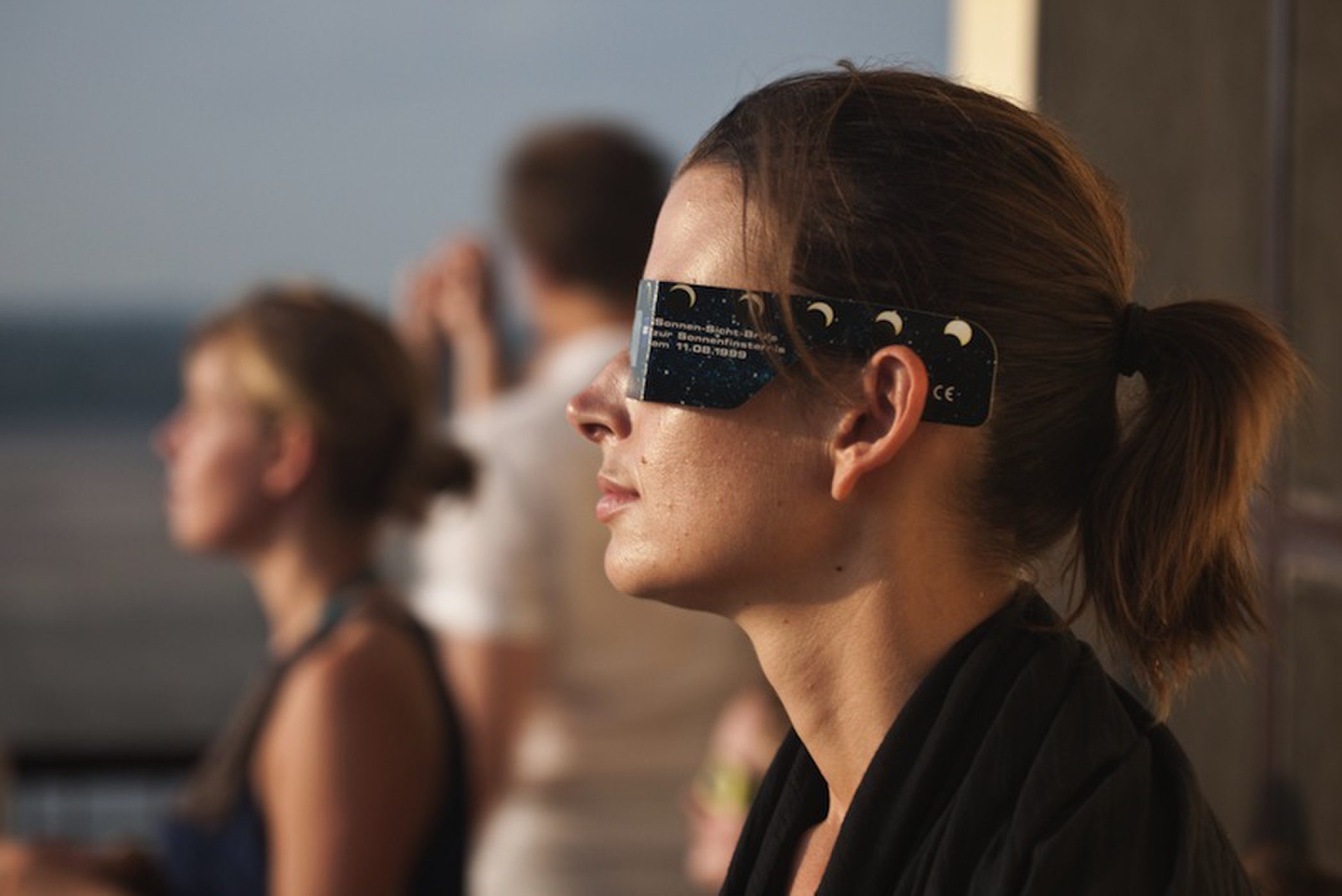
© Pete Niesen / Shutterstock.comA tourist watches a solar eclipse through eclipse-viewing glasses in 2009 in Varanasi, India.
People across the United States will have the chance to see a total solar eclipse on Aug. 21, the first time the spectacle was viewable from the continental U.S. since 1979. While it may be tempting to brush off warnings about looking up at this eclipse bare-eyed, don't: The light of an eclipse really can damage your eyes - though warnings of total blindness may be overstated.

The condition is called solar retinopathy, and it occurs when bright light from the sun floods the retina on the back of the eyeball. The retina is home to the light-sensing cells that make vision possible. When they're over-stimulated by sunlight, they release a flood of communication chemicals that can damage the retina. This damage is often painless, so people don't realize what they're doing to their vision.

Solar retinopathy can be caused by staring at the sun (regardless of its phase), but few people can stand to look directly at our nearest star for very long without pain. It does happen occasionally - medical journals record cases in which people high on drugs have stared at the sun for long periods of time, causing serious damage. Adherents of sun-worshipping religious sects are also victims. In 1988, for example, Italian ophthalmologists treated 66 people for solar retinopathy after a sun-staring ritual.

Black Magic

The Brave New World of Electroceuticals

One day, in the not too distant future, you might not recognize the pharmaceutical industry...
electroceuticals
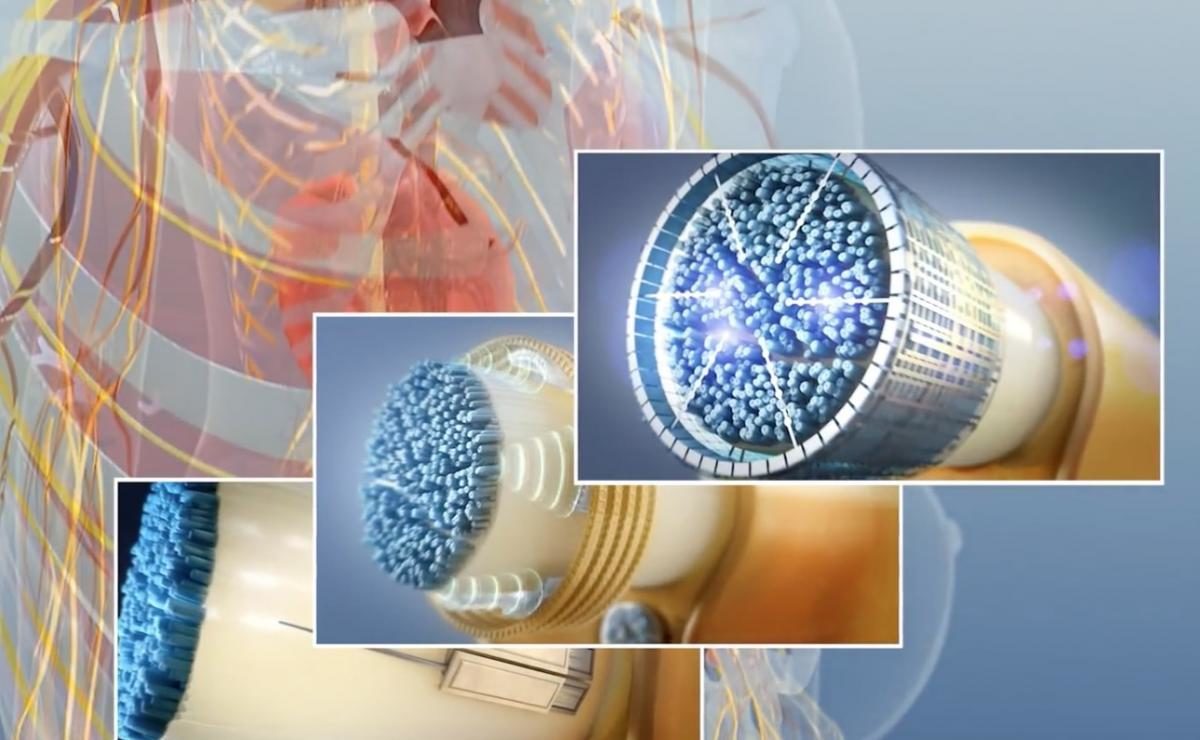
UK-based pharmaceutical giant GlaxoSmithKline has partnered with South San Francisco-based Verily to create Galvani Bioelectronics – a joint venture to develop implantable bioelectric medicines, a branch of medicine that works to fight diseases by targeting electrical signals in the body.
Right now, pharmaceutical firms develop drugs that interact biochemically with our bodies in order to treat various diseases and conditions. But that's changing...

A number of pharmaceutical companies will eventually transform into bioelectronics companies. Their treatments will consist of tiny implantable devices that "speak" the body's electric language.

Think of it as a type of technology similar to a heart pacemaker. But much, much more advanced.

Comment: The perfect marriage, Big Pharma and DARPA:


Footprints

Women with eating disorders more likely to be convicted of theft

shoplifter
Women with anorexia nervosa or bulimia are up to four times more likely to be convicted of theft - often petty thefts like shoplifting - compared to peers without eating disorders, according to results from a large Swedish study.

This increased risk of criminality in women with eating disorders is something doctors should pay attention to because convictions could increase a patient's stress and anxiety, interrupt treatment and hamper recovery, the authors write in the International Journal of Eating Disorders, online August 9.

"The study's findings confirm and extend what was previously known - that certain personality traits, like impulsivity, and the presence of other psychiatric disorders may confer added risk to a range of other problems, like criminal activity," said Deborah Glasofer of Columbia University Medical Center in New York, who wasn't involved in the study.

"By no means is there evidence that all eating disorders are associated with any one particular behavior profile, but eating disorders are serious illnesses which can impact all aspects of the afflicted individual's life," Glasofer told Reuters Health in an email.

For example, Glasofer said, a subset of people who experience frequent binge-eating episodes - within the context of anorexia nervosa, bulimia nervosa or binge-eating disorder - may be driven to obtain large, often expensive, quantities of food on a regular basis and this can lead to financial duress, resulting in possible theft of food items.

Water

Not spring water after all? Lawsuit filed against Poland Spring for bottling purified groundwater

bottled water
© Brett Weinstein
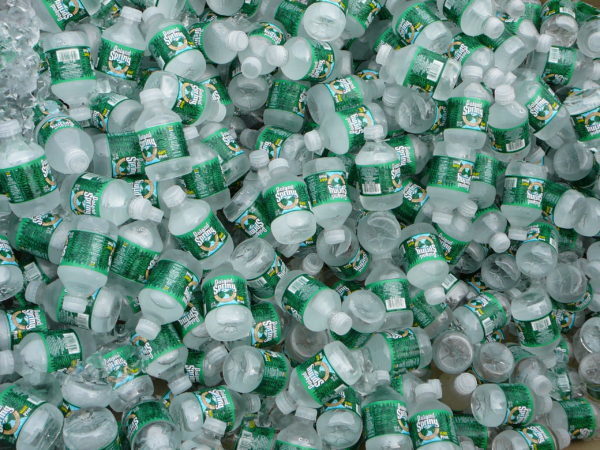
A group of bottled water drinkers has brought a class action lawsuit against the company behind Poland Spring, alleging that the Maine business has long deceived consumers by mislabeling common groundwater.

The lawsuit was filed in a Connecticut federal court on Tuesday and accuses Nestle Waters North America Inc. of a "colossal fraud perpetrated against American consumers."

The civil suit was brought by 11 people from the Northeast who collectively spent thousands of dollars on Poland Spring brand water in recent years. It is seeking millions of dollars in damages for a nationwide class and appears to hinge on whether the sources of Poland Spring water meet the Food and Drug Administration's definition of a spring.

The suit comes as the company, a subsidiary of the Swiss food giant Nestle, is looking to expand its operations in Maine.

In a statement, a Nestle Waters spokesperson said that its water meets all relevant federal and state regulations on the classification and collection of spring water and that the suit is "an obvious attempt to manipulate the legal system for personal gain."

Comment: See also: