
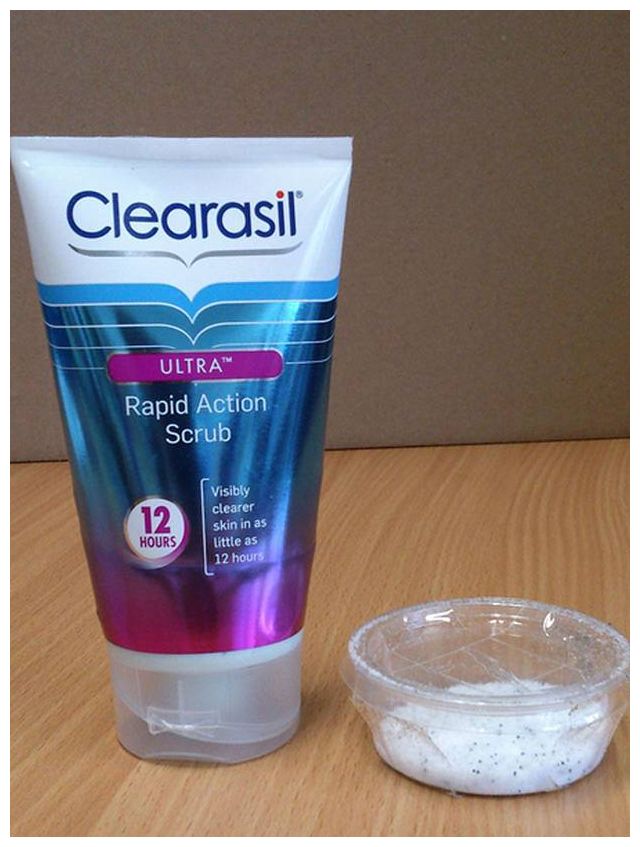
© The Independent, UKYou probably didn't know they were there, but millions of tons of microbeads are being washed into the sea, up the food chain, and heading for the tuna on your plate.
Millions of people are unwittingly pouring hundreds of tons of tiny plastic beads down the drain. These can persist in the environment for more than 100 years, and have been found to contaminate a wide variety of freshwater and marine wildlife, The Independent on Sunday can reveal.
Few consumers realise that many cosmetic products, such as facial scrubs, toothpastes and shower gels, now contain many thousands of microplastic beads which have been deliberately added by the manufacturers of more than 100 consumer products over the past two decades.
Plastic microbeads, which are typically less than a millimetre wide and are too small to be filtered by sewage-treatment plants, are able to carry deadly toxins into the animals that ingest them, including those in the human food chain such as fish, mussels and crabs, scientists said.
While many people have assiduously tried to recycle their plastic waste, cosmetics companies have at the same time been quietly adding hundreds of cubic metres of plastics such as polyethylene to products that are deliberately designed to be washed into waste-water systems - one estimate suggests that, in the US alone, up to 1,200 cubic metres of microplastic beads are washed down the drains each year.
Scientists and environmentalists have started lobbying the industry to stop using plastic microbeads in exfoliant skin creams and washes, but with limited success - a relatively small number of firms have publicly agreed to phase them out, and even then have given themselves several years to do so.
Britain, along with the rest of the EU, is being urged to follow the lead of New York State which last week became the first place in the world to prohibit the use of plastic micropellets in cosmetic products after a failure by the vast majority of personal-care companies to agree to an immediate voluntary ban.
The New York State Assembly decided to act after scientists found disturbing levels of microplastic beads in the Great Lakes of North America. The researchers said the beads arrived in waste water contaminated with the microplastic residues of more than 100 consumer products, including facial scrubs, soaps, shampoos and toothpaste.











Comment: See also:
Are you inflamed over GMO foods?
Are genetically modified foods a gut-wrenching combination?
Doctors Are Warning: Avoid Genetically Modified Food