
© Herald Sun
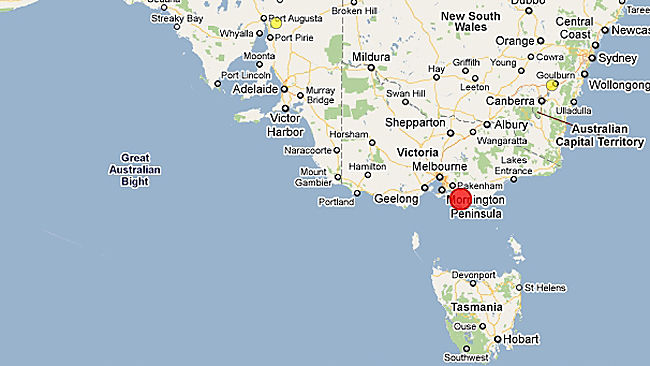
Geoscience Australia recorded the 4.4 magnitude quake as hitting at 11.37am.
The tremors, which lasted up to 15 seconds, were felt across Melbourne's southeastern suburbs.
So far there are no reports of damage.
Residents in suburbs including Rowville, Trafalgar, Kilsyth, Hawthorn, Elwood, CBD, Melbourne Airport, South Melbourne, Brunswick, Richmond, Lilydale, Fitzroy, Elsternwick, South Yarra reported feeling the tremors.
Residents told of hearing a loud bang when the quake hit, while tremors were felt across Melbourne.
Michael O'Keefe was in Warragul and said it's the strongest he's ever felt.
"It sounded like a truck was approaching up the street and then it was as if the truck had run into the building. Everything was rattling. It feels a bit like it's not complete, like there is another one to come.''






Comment: Let us suggest a reason, why instances of noctilucent clouds are intensifying.
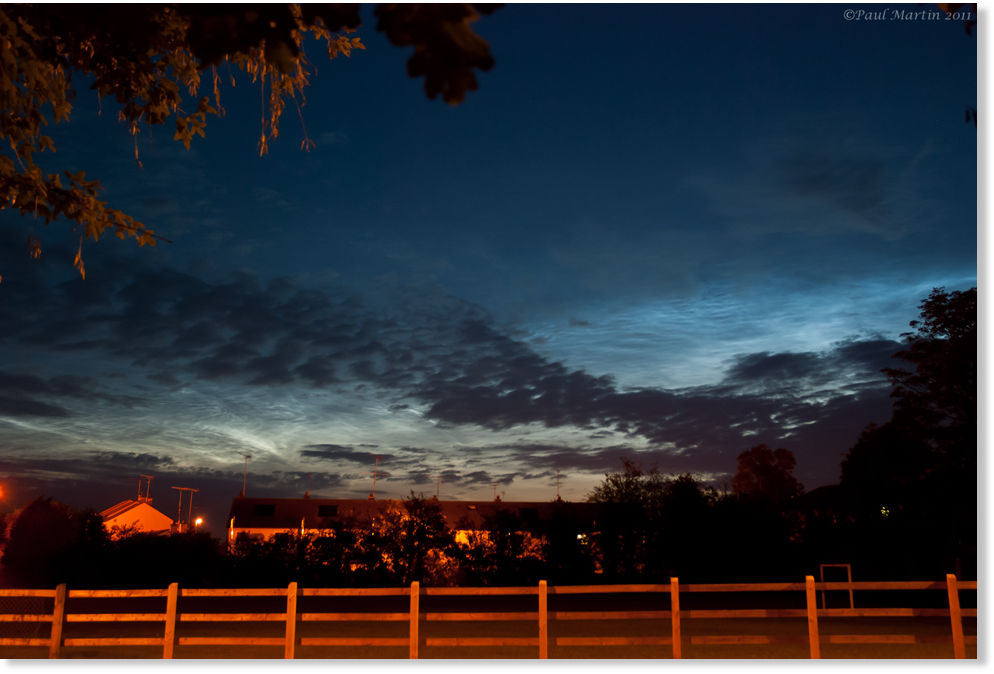
What we suspect has been happening, based on our research thus far, is that the upper atmosphere is cooling because it is being loaded with comet dust, which shows up in the form of noctilucent clouds and other upper atmospheric formations.
Magnificent and mesmerizing noctilucent clouds (also called polar mesospheric clouds), were once considered to be rare. But now they are puzzling scientists with their recent dramatic changes. Apparently, the clouds are growing brighter, are seen more frequently, are visible at ever lower latitudes and are now appearing even during the day. If scientists were allowed to conduct honest interdisciplinary research, such changes wouldn't be a mystery.
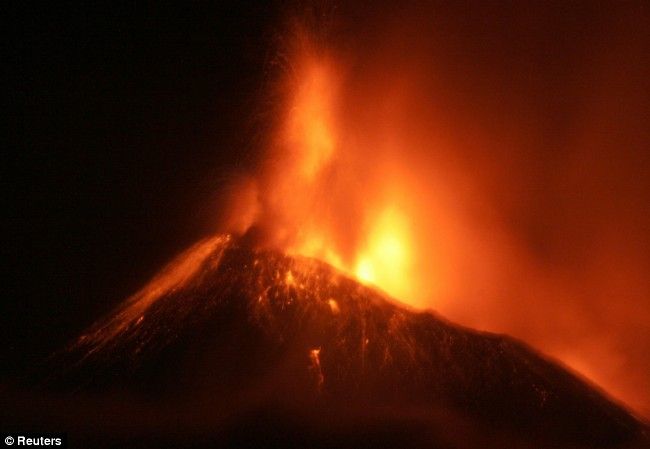
They would be able to figure out that comet dust is electrically-charged which is causing the earth's rotation to slow marginally. The slowing of the rotation is reducing the magnetic field, opening earth to more dangerous cosmic radiation and stimulating more volcanism. The volcanism under the sea is heating the sea water which is heating the lower atmosphere and loading it with moisture.
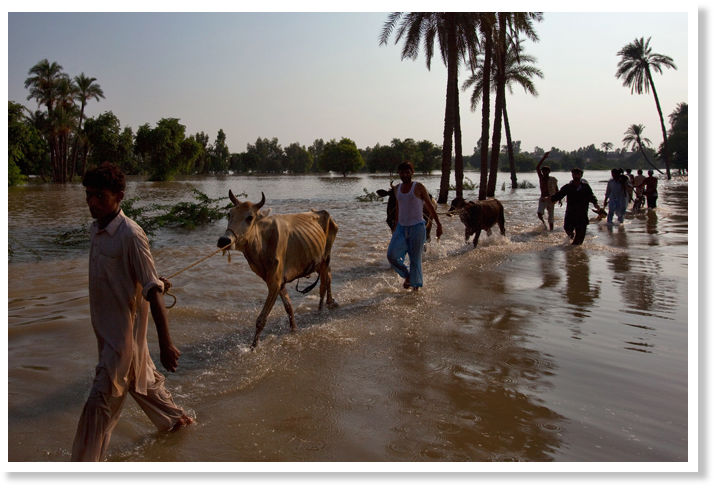
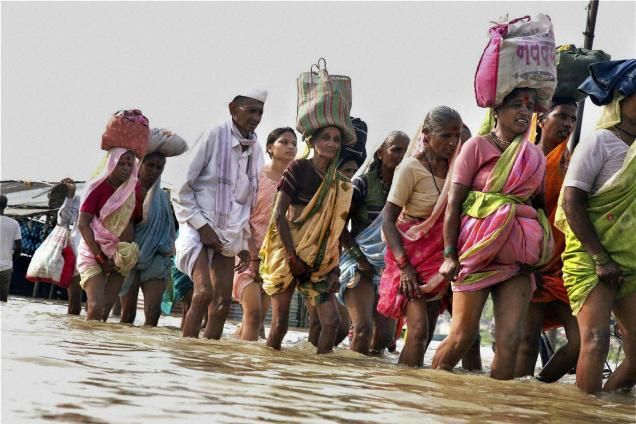
The moisture hits the cooler upper atmosphere and contributes to a deadly mix that inevitably leads to an Ice Age, preceded for a short period by a rapid increase of greenhouse gases and "hot pockets" in the lower atmosphere, heavy rains, hail, snow, and floods.