Earth ChangesS


Radar

4.1 Magnitude Earthquake Recorded Near US-Mexico Border

Image
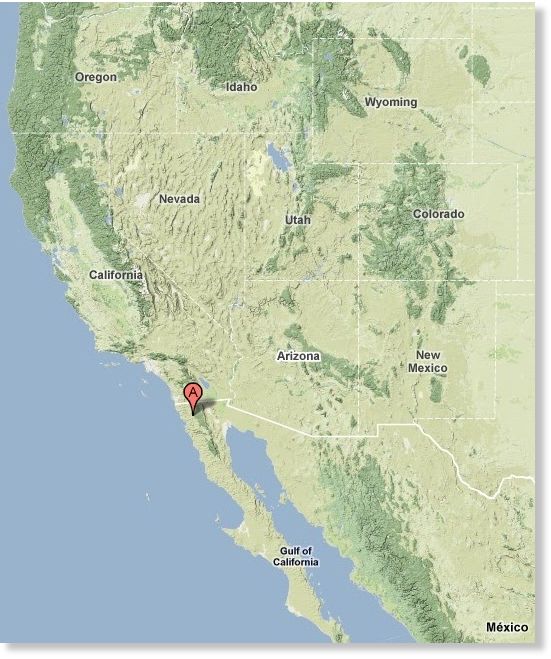
© Epicentre. Image Google Maps
A magnitude 4.1 struck close to Baja California's (Mexico) border with the U.S. state of California on Tuesday evening, according to the US Geological Survey (USGS).

The quake hit 40 kilometres from the border and was centred 34 km (21 miles) NE (44°) from Ensenada, 45 km (28 miles) NNE (25°) from Maneadero, 59 km (36 miles) SSE (155°) from Tecate, and 78 km (49 miles) SE (128°) from Tijuana (all Baja California, Mexico).

The earthquake was recorded at a shallow depth of 11.3 km (7.0 miles). It was followed six hours later by a magnitude 2.6 earth tremor.

USGS information on earthquake HERE

Bizarro Earth

Aleutian Islands: Cleveland volcano erupts

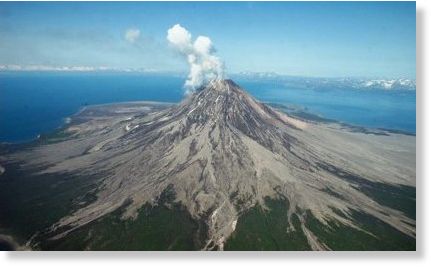
cleveland volcano
Cleveland Volcano, located on uninhabited Chuginadak Island in the Aleutians, has begun building a lava dome. An Alaska volcano has begun erupting, but it is not yet posing a serious hazard to populations or aviation in the region.

The eruption was described as a "slow effusion of magma that is forming a lava dome" by John Power, the scientist-in-charge at the Alaska Volcano Observatory.

Along with the quiet nature of the eruption, the remote siting of the volcano has so far kept the hazard level low.

Bizarro Earth

Indonesia: Mt. Ibu Emits Thick Smoke

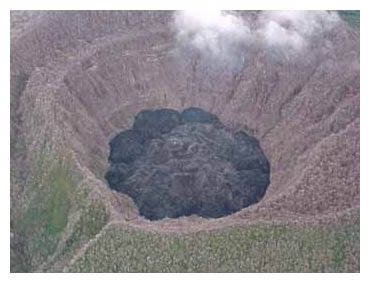
Mt Ibu
© Bruce Gemmell, PT Nusa Halmahera MineralsA closer look at the lava dome within the Mt. Ibu crater. May 2000 photograph.
Mt. Ibu in West Halmahera regency has been emitting thick smoke, causing its alarm status to be raised on Sunday.

Ridwan, a volcanic observer at Mt. Ibu said the mountain's activities had intensified over the past two weeks. Hundreds of small eruptions have been recorded by the seismograph. "There were numerous tremors. Therefore we increased its status to alert level II," he said yesterday.

Ridwan said the mountain had been closed to hikers and people were prohibited from getting within 3 kilometers of Mt Ibu's crater. "We announced this two weeks ago and have intensified our observations. We hope people will be aware," he said.

Bizarro Earth

Activity at Kizimen and Shiveluch volcanoes, Kamchatka Peninsula

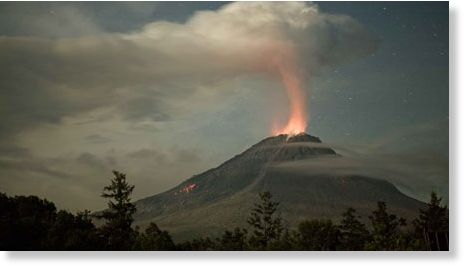
kizimen, volcano
The Kamchatka Peninsula, along Russia's Pacific coast, is currently the most volcanically active area in the world: four volcanoes are erupting simultaneously, and a fifth is showing signs of an impending eruption. Ash plumes from two of these volcanoes and a thermal anomaly marking active lava flow at a third are visible in this natural-color satellite image.

Along the northern (top) edge of the image Shiveluch emits a broad gray plume from the lava dome growing on its southern flank. 90 kilometers (60 miles) to the southwest a much smaller plume escapes from Bezymianny. Further south, an area where the instrument measured high temperatures over land is outlined in red, marking Kizimen.

Cloud Lightning

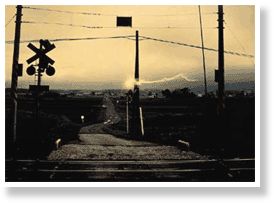
Russia: Ball lightning strikes German tourist bus near Kaliningrad

Image
© Unknown
Ball lightning struck a bus with German tourists near Russia's western city of Kaliningrad, chairwoman of the regional tourist association Tamara Toropova said on Thursday.

None of the 19 passengers on board the bus was injured when the ball lightning struck the bus during a thunderstorm on Monday.

Bizarro Earth

Australia: Victoria - Floods Inundate Gippsland Farms, Close Roads

Image
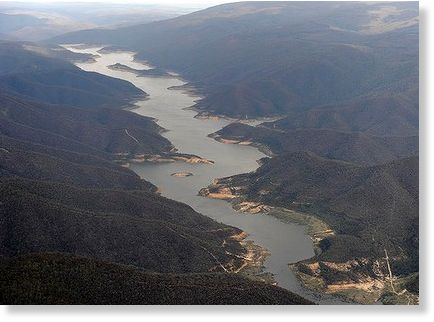
© Wayne TaylorFollowing heavy rainfall the Thomson Dam is 46.3 per cent full, it's highest level in almost six years.

Extremely heavy rainfall this week in eastern Victoria has caused widespread flooding of Gippsland farms, closed local roads and threatens to affect townships in low-lying areas as rivers swell.

But the rainfall has been a boon for the Thomson Dam where 85 millimetres fell in 24 hours, pushing the dam to 46.3 per cent full, its highest level in almost six years.

Seven locations in Gippsland and East Gippsland received more than 100 millimetres of rain in the 24 hours to 9am yesterday, with Reeves Knob recording the highest total, a massive 137 millimetres.

Late yesterday major flood warnings were in place for the Mitchell and Thomson rivers and moderate warnings for the Avon, Latrobe and Macalister rivers. Widespread flooding has occurred on farmland at Cowwarr, Denison, Nambrok and Lindenow, but no homes have been inundated.

Cloud Lightning

Extreme Weather Affects Most Of The US

sun/dry earth
© n/a
Weather records are being broken in many regions of the US.

According to NOAA's National Climatic Data Center, 41 of the lower 48 states had above-normal or a record warmest July. Only seven of the lower 48 states - all west of the Rockies - experienced a July average temperature near or below the twentieth century average.

Drought conditions are so bad in Texas, covering 75 percent of the state, that it would take about 20 inches of precipitation in one month to end the drought. According to the weather service, Texas has suffered its warmest June and July on record, going back to 1895. The city of Dallas is on track for setting the record for having 43 consecutive days of temperatures above 100 degrees.

The record heat is also affecting smaller communities. In Kemp, Texas, residents are suffering from no water in the midst of the record heat. City officials made the decision to shut off the municipal water supply.

Cow Skull

Earth's Surface 'Recycled' Surprisingly Quickly

Volcanic Islands
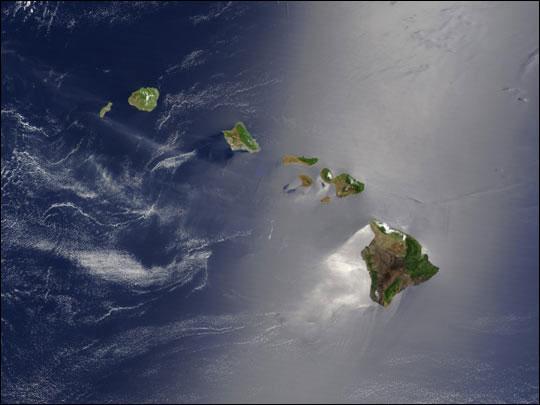
© NASAThe volcanic islands of Hawaii are thought to be fueled by a plume of hot rock that moves upward from the lower portions of the Earth's mantle.

The ground we stand on seems permanent and unchanging, but the rocks that make up Earth's crust are actually subject to a cycle of birth and death that changes our planet's surface over eons. Now scientists have found evidence that this cycle is quicker than thought: 500 million years instead of 2 billion.

The tectonic plates that make up Earth's crust are constantly jostling against each other: brushing past one another in some places, moving apart in other areas, and butting head-on in still other places.

Where these head-on collisions occur, denser oceanic crust is shoved beneath lighter continental crust, causing it to melt in the ferocious temperatures and pressures of Earth's mantle. This oceanic crust gets mixed into the rest of the mantle, which because of its high temperature and pressure slowly flows and fuels the world's volcanoes.

Virtually all of the world's ocean islands are volcanoes. Several of them, such as the Hawaiian Islands, came from mantle plumes originating in the lowest part of the mantle. This geological process is similar to the movement of a Lava Lamp: hot rock that used to be part of the oceanic crust rises in cylindrical columns from a depth of nearly 1,900 miles (3,000 kilometers). Near the surface, where the pressure on it is reduced, the rock melts and forms volcanoes.

Scientists had thought this process took about 2 billion years to complete, but new data suggest it could have happened in a quarter of that time.

Ambulance

Italy, Naples: Garbage Truck Swallowed by Sinkhole

Translated:

One dead and two wounded, is the budget of the incident last night in Casalnuovo, near Naples, where a truck for the collection of municipal solid waste ended up in a sinkhole opened up along the roadway. The event happened around one o'clock on a Strettola. As reconstructed by the police so far, the road has had a sudden collapse to the passage of trucks. The vehicle ended up in the abyss: the violence of the momentum killed the driver, a 42-year old of Marietta (Naples), instantly.

The other two employees who were on board were injured, one was admitted to the hospital of St. John Bosco Naples with prognosis, the other was treated for injuries heal within 7 days. The truck is owned by a company of Airola (Benevento), which makes the collection of municipal waste in the area. Knowing the local police investigating the Lieutenancy and the Core Operating Castello di Cisterna.


Bizarro Earth

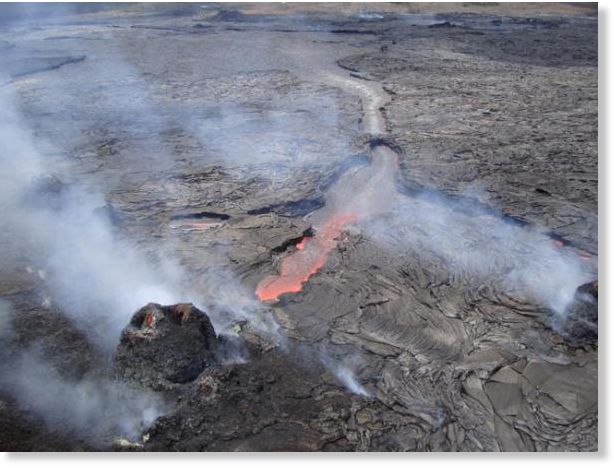
US: Huge Lava Pond Forms On Hawaii's Mount Kilauea

Lava continues to erupt from volcanic vents on Hawaii's Mount Kilauea and has pooled into a huge lava pond on the volcano's active east rift zone.

Spatter cones, formed from molten lava ejected from a volcanic vent, are feeding narrow, fast-moving lava flows, according to an eruption update from the U.S. Geological Survey's (USGS) Hawaiian Volcano Observatory. This area of Mount Kilauea has been erupting since 1983 with few interruptions.

Image
© USGS/HVO