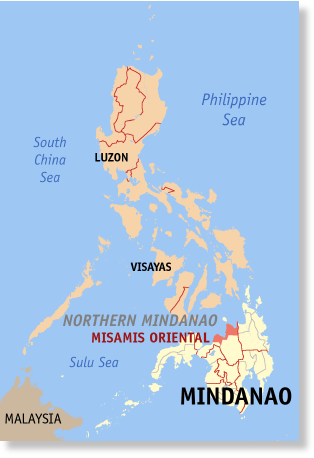
© UnknownMisamis Oriental
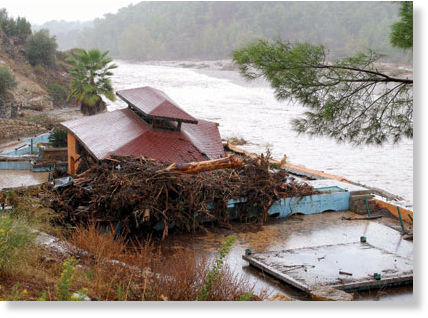
The National Disaster Risk Reduction and Management Council (NDRRMC) said that based on reports from its regional office in Caraga, zones 1, 2, 3 and 28 and Barangay Amoros in El Salvador city have been submerged in floodwaters since 5 a.m. today.
The NDRRMC added that barangays Igpit and Malanang in Opol town are experiencing knee-deep floods. Areas in Cagayan de Oro City were also flooded.
The agency said that flooding in Misamis Oriental is caused by the overflowing of Agusan River due to rains brought on by Tropical Depression Ramon.
It said that at least 74 families have been evacuated to higher ground in Barangay Canitoan, Cagayan de Oro City and 150 more families were evacuated from Barangay Amoros.
The NDRRMC added that residents of Barangay Bulua and Sitio Calacala in Barangay Macasandig, both in Cagayan de Oro City have also been alerted and prepared for evacuation as the water level in Cagayan de Oro River has started to rise due to continuous rains.