
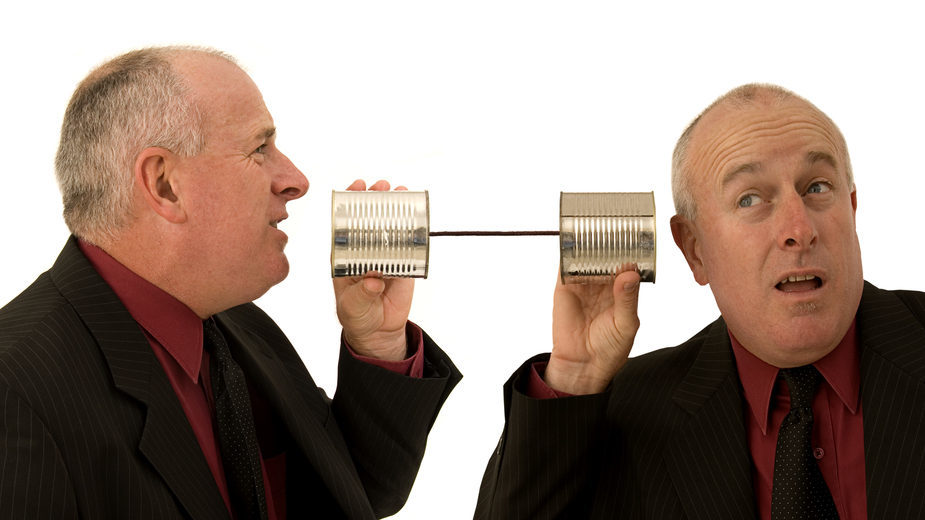
Psychology researchers from Michigan State University and University of Michigan conducted a study to determine if self-talk could reduce anxiety. To do so, scientists rounded up a group of participants for two experiments.
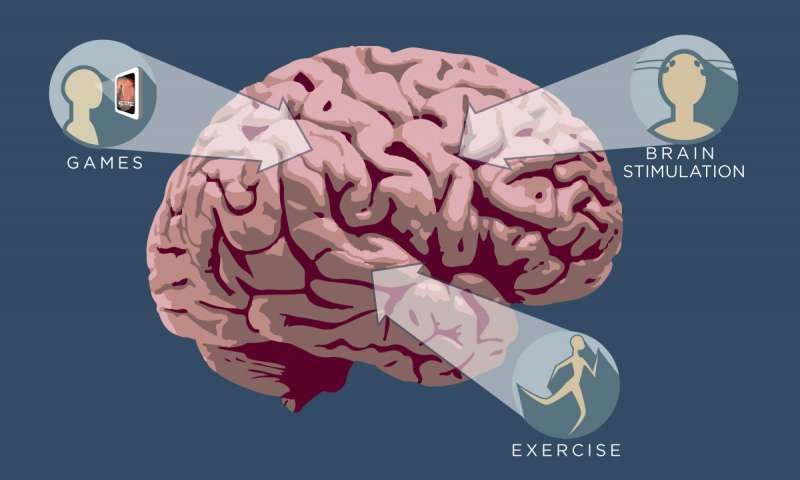
For the first one, the subjects were shown disturbing images, such as a man holding a gun to their heads. Then, they were asked to respond to the pictures in first-person and third-person as their brain activity was being monitored.
For the second one, they were asked to recall a traumatic experience in first-person and then in third-person while their brain activity was being reviewed.













Comment: Think about yourself in the third person: Detachment from problems helps deal with trauma