
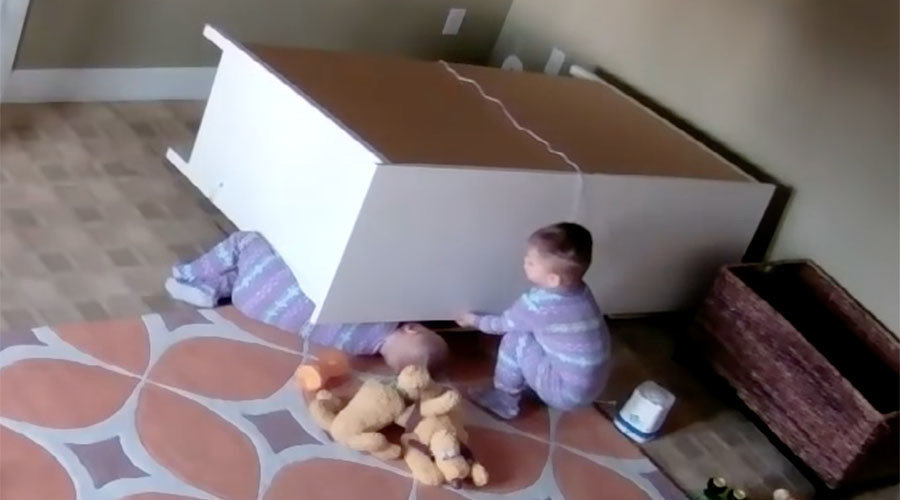
© Kayli Shoff / YouTube
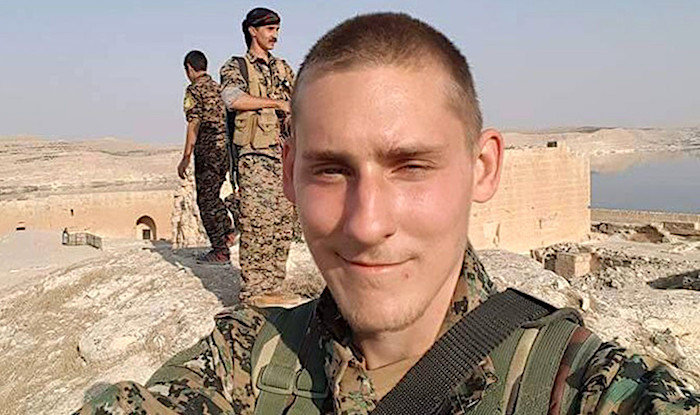
Footage of the incident was posted on Facebook by proud father Ricky Shoff after a bedroom security camera captured the moment in Utah.
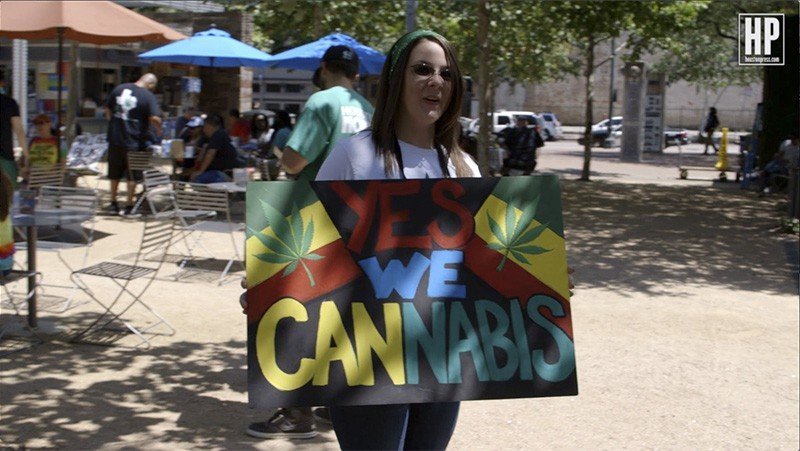
"All misdemeanor possession of marijuana cases will be diverted around jail," Ogg said during her comments from the podium..."I've never felt good about putting marijuana users in the same jail cells as murderers. It's just not fair, it doesn't make any sense, and our country is resoundingly against that," Ogg said briefly after her inauguration finished."
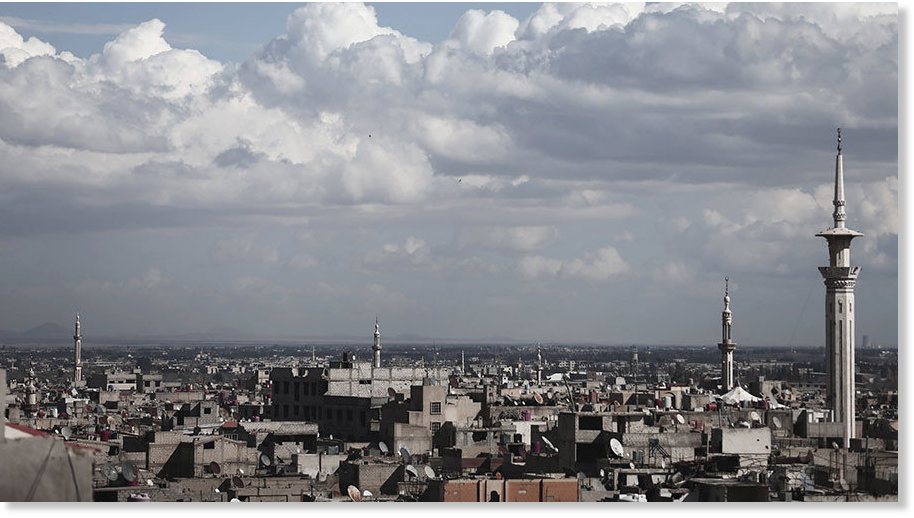
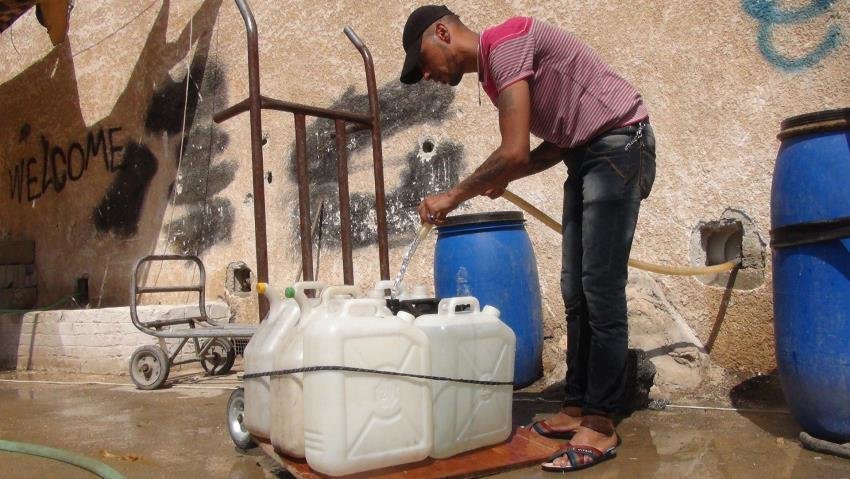
After the eastern part of the city of Aleppo was liberated by Syrian government forces, the local rebels and inhabitants in the Barada river valley were willing to reconcile with the Syrian government. But the al-Qaeda Takfiris disagreed and took over. The area is since under full al-Qaeda control and thereby outside of the recent ceasefire agreement.The Syrian government is ready to send repair teams to rehabilitate the water flow to the millions of civilians in Damascus. But access to the site is denied and the Syrian army is now trying to push al-Qaeda and its allies away from it.
On December 22 the water supply to Damascus was suddenly contaminated with diesel fuel and no longer consumable. A day later Syrian government forces started an operation to regain the area and to reconstitute the water supplies.
Photos and a video on social media (since inaccessible but I saw them when they appeared) showed the water treatment facility rigged with explosives. On Dec 27th the facility was blown up and partly destroyed.
As was bound to happen, Al-Qaeda in Syria is pulling out the stops to try to disrupt the Russian-Turkish sponsored ceasefire.
Al-Qaeda is in part doing it by attacking other Jihadi groups which have signed up to the ceasefire. The Iranian news agency Fars reports that there has been fierce infighting between Jihadi groups in Idlib, where Al-Qaeda is in control, whilst Al-Qaeda is continuing to block the evacuation of wounded Shia fighters and civilians from two Shia villages, whose evacuation was agreed as part of the package negotiated by the Russians, the Iranians and the Turks, which led to the withdrawal of Jihadi fighters and civilians from east Aleppo.
The main flashpoint however is the Wadi Barada valley, which provides Damascus with drinking water. Al-Qaeda has taken control there, ousting other Jihadi groups who have been in control of the valley since 2012. Having gained control of the valley, Al-Qaeda is being accused by the Syrian government of poisoning the drinking water supplied to Damascus, forcing the Syrian government to restrict supplies of fresh water to the people of Damascus.
[...]
The point about the incident at the Wadi Barada valley is that it is obliging the Syrian army, which has surrounded the valley, to press home its offensive there in order to regain control of the valley so as to restore the supplies of drinking water to Damascus. Al-Qaeda is using this to claim that the Syrian government is breaking the ceasefire, and has persuaded other Jihadi groups to issue a statement saying they have halted their preparations for the pending peace conference in Astana on that basis.
Latest reports from the area say that the Syrian army has already recaptured one of the springs, and given its importance it is a certainty the whole valley will once again be under Syrian government control before long. It is most unlikely this incident will seriously delay preparations for the peace conference in Astana. It is striking that the Turkish government has refused to weigh in strongly on the side of the Jihadis during this incident.
What the incident once again shows is the utterly implacable opposition the Syrian government has to face from Al-Qaeda in Syria, and the lengths to which Al-Qaeda is prepared to go. Unfortunately it also shows the extent to which Western governments and the Western media continue by their silence to collude in Syria with Al-Qaeda's actions.







Comment: As Alexander Mercouris points on in The Duran, al-Qaeda is doing everything they can to sabotage the Turkish-Russian ceasefire, including attacking other jihadi groups and blocking the agreed-upon evacuation of wounded Shia fighters and civilians from Fua and Kefriya. On the water crisis, Mercouris writes: