
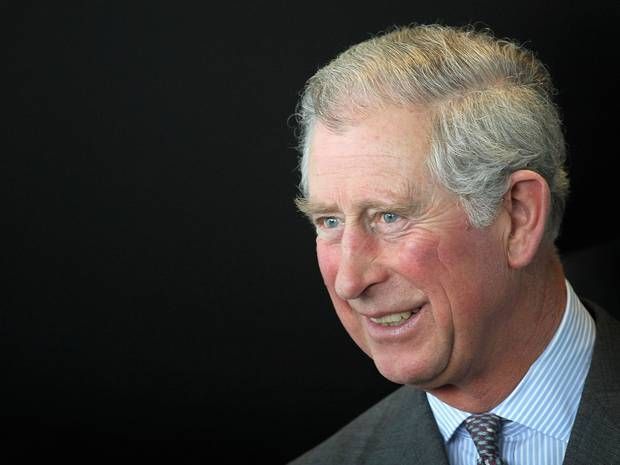
© IndependentConstitutional experts believe Charles could be preparing to become a more "controversial" monarch.
The heir to the throne is expected to take on more of the 87-year-old Queen's duties, including overseas visits, as part of a slow convergence of their roles which this weekend saw the announcement of the merger of their press offices into a single "seamless" operation.
The move was accompanied by briefings that Charles would be expected to do "less of his campaigning" as he increasingly stands in for the head of state at official events and prepares to assume the mantle of monarch.
But royal sources yesterday held out the prospect of a different approach by underlining that the Queen and her eldest son were from "very different eras" and leading constitutional experts pointed out that the prince is under no obligation to follow his mother's example in studiously avoiding expressing controversial opinions throughout her near 62 years on the throne.
Modern British monarchs have habitually adopted a position of political neutrality because of their constitutional power to call for the formation of a government. The present queen has gone further and stayed out of public debate on nearly every topic.
Colin Talbot, professor of government at Manchester University said: "This is a constitutional convention which can be changed by the simple fact of a monarch doing things differently. There is nothing written down which says the monarch cannot express opinions. Charles could quite simply be a more outspoken monarch.
"We have got very used to Elizabeth II saying nothing controversial but having a monarch who stays quiet on such matters is a very post-1945 phenomenon. Her predecessors certainly were more prepared to express opinions. It may also be difficult for Charles to stop behaving as he is used to."










Comment: Could it be more clear as to who directs the show in America?