
We've got a thing, and that's a-called radar love
We've got a wave in the air
Radar love
Golden Earring, Radar Love
Neo-Caligula continues to bet in what could be defined as The Strategy of the Weaponized Debtor.
© Public Domain
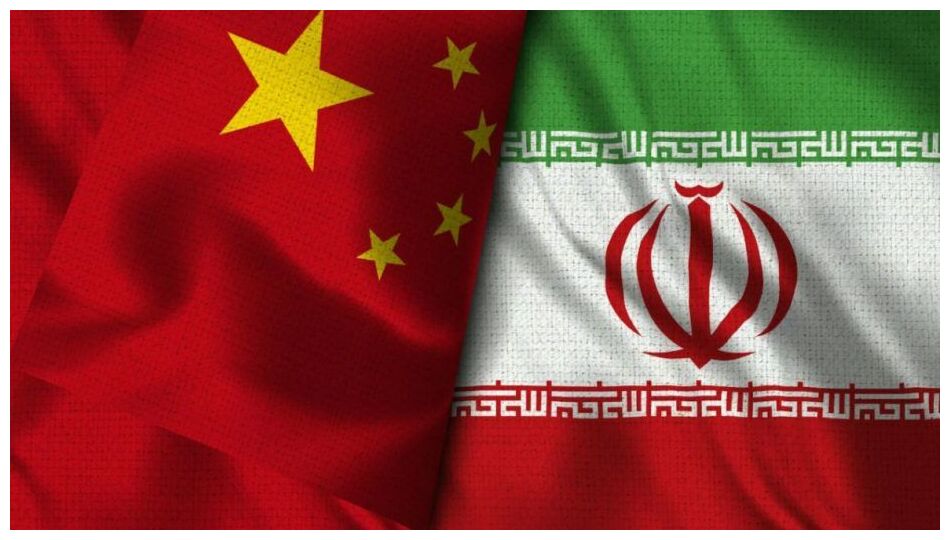
Now jump to the 21st century, when China is the great trading/geoeconomic power on the planet, and Iran is one of the very few sovereigns left.
This week marks the 47th anniversary of the Islamic Revolution - followed with great interest by Chinese intellectuals since the early years of Deng Xiaoping in power, when the new Iran theo-democracy proclaimed its foreign policy of "Neither East nor West".
Now, Iran is one of the key poles of the Beijing-engineered New Silk Roads, as well as a top member of the two multipolar multilateral institutions, BRICS and the SCO.
Chinese intellectuals can easily empathize with the fact that even under decades of ultra-harsh sanctions, Iran has managed to construct itself as a tech power - in several areas such as drone technology, ballistic missiles, nanotechnology and medical equipment.
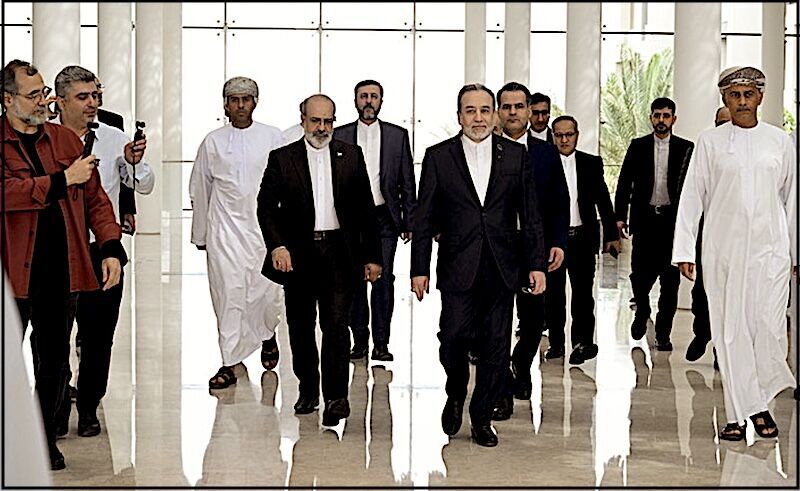
The strategic partnership works in multilevel ways - and the most sensitive are of course invisible. For instance, Foreign Minister Abbas Araghchi earlier this week confirmed that Tehran briefs Beijing - and Moscow - in detail on the murky indirect negotiations with the US in Oman about a possible new nuclear deal.
Deputy Foreign Minister Kazem Gharibabadi for his part met with Chinese and Russian ambassadors in Tehran after he visited Beijing and was present at the talks in Oman.
That's strategic coordination at the highest level.
Then there's the "unseen".












Comment: More comment from ZeroHedge regarding the current talks: