Puppet MastersS


Attention

Biotech Sabotage: CDC Chipotle investigation raises more questions than answers

The bombshell times
In news that just about left us falling off our chairs, the mainstream media seems to be leaning toward the conclusion that dirty games and evil tactics may be behind the massive string of Chipotle's E. coli outbreaks.

Specifically, The New York Times recently published an article carrying the headline, "C.D.C. Ends Chipotle Case With Illness Still a Mystery." That "mystery," of course, is the fact that although investigations into the E. coli outbreaks were conducted by the CDC, the real cause of them still remains unknown. This very well may be as close as we've seen mainstream media come to actually raising the possibility of biotech industry food terrorism in this particular case.

Fire

Saudi troops in Syria? Three possible scenarios

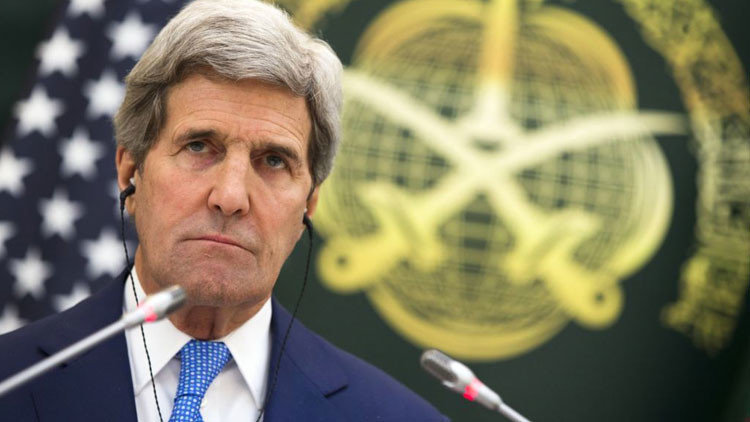
john kerry
© REUTERS/Evan Vucci
A high-ranking officer within the joint operations room in Damascus, which includes Russia, Iran and Syria and Hezbollah said there are three possible scenarios in Syria:
The first is the [Saudi] Arab ground troops would enter Syria from the Turkish borders, in the area under the so-called "Islamic State" group (ISIS) on the long bordering front from Jarablus to Al-Ra'ee. This can be possible and quickly achievable if a kind of an agreement is reached between Turkey and ISIS. After all, the Jihadist group has to face either the Turkish-Arab forces - that could allow a possible exit - or the Russian-Iranian-Hezbollah forces where there will be no exit".

The second scenario is through the Jordanian borders East of Syria up to Raqqa. A longer road but would allow Saudi Arabia to bring its logistic and armoured support to push all the way to the ISIS-controlled land. In both scenarios, these troops, Arabs or Turkish-Arabs, would not clash or contact or even walk into the Russia-Damascus and allies military operational stage.

The third scenario is that the Saudi are boosting the moral of the Jihadist by advertising a possible intervention so these don't surrender easily and hold the ground for as long as possible.
The source continued:
"Any scenario is linked to the will of the United States to be engaged in a war in Syria. This is exactly what the Saudi officials said. The U.S. is sending the Awacs aircraft because any U.S direct intervention on the ground is totally excluded. This could be the U.S. contribution, along the diplomatic effort in Geneva. Never the less, we build our military reaction based on the strong possibility that the Arab ground troops are most likely to invade Syria. These forces, under the title of defeating ISIS, won't reach Raqqa overnight. Logistic support and troops movement from Jordan into Syria require between 3 to 4 months to be completed. These forces, in this case, are expected to advance from Jordan, into al-Badiyah and continue up north toward Raqqa, the northern Syrian city, as a possible scenario. Any potential contact with the Syrian forces could lead to a larger war".

We do not exclude the fact that Saudi Special Forces could act behind ISIS lines to guide airtrikes or carry small scale attacks. None the less, these forces cannot contribute to defeat ISIS but in directing specific targets. Any attack that could weaken ISIS is considered to our advantage. The U.S. led coalition can bomb ISIS any time but no ground troops would be welcome. Moreover, no jet is allowed to enter the Syrian space without prior coordination with Russia, otherwise it will be considered as a potential target. This is also another fact to consider. Therefore, no one is willing to see a large scale war, mainly President Obama who has avoided to be entangled in the Syrian war for the last two years.

Comment: Will Turkey & Saudi Arabia risk all-out war by invading Syria?


Bad Guys

Will Turkey & Saudi Arabia risk all-out war by invading Syria?

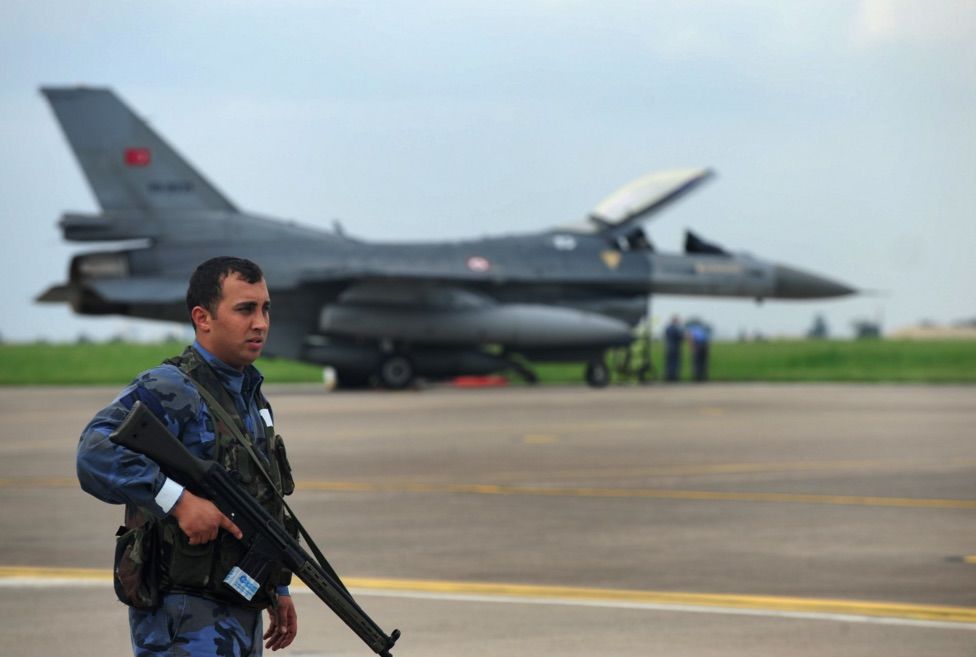
incirlik f-16
© USAF/Senior Airman Anthony SanchelliMembers of the Turkish air force conduct an aircraft exercise April 11, 2013, at Incirlik Air Base, Turkey.
There will be no peace in Syria.

Saudi Foreign Minister Adel al-Jubeir announced yesterday that for The Kingdom, the removal of Assad is "crucial," adding without any sense of shame that the Syrian leader is the "single most effective magnet for extremists and terrorists in the region".

This is not a rogue statement made by a renegade government: It's a policy that has been approved, and most likely dictated, by the United States. And now the Saudis have parked their F-15s at a Turkish airbase used by the US military to strike targets within Syria:

Comment: Further reading: Turkey still bombing northern Syria, killing civilians & wounding Kurdish anti-ISIS fighters


Bad Guys

Turkey still bombing northern Syria, killing civilians & wounding Kurdish anti-ISIS fighters

Turkey shell Syria
© Ruptly
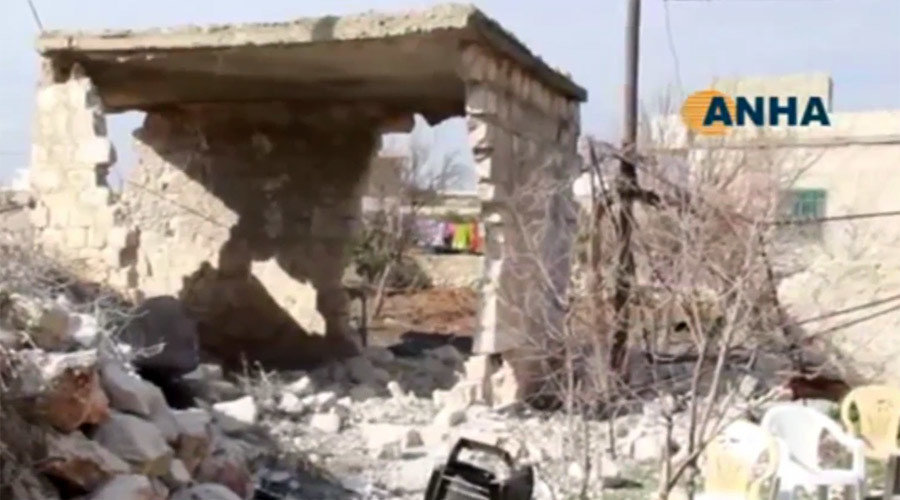
At least two civilians were reportedly killed and several more injured in the village of Maryamayn in northern Syria, as the Turkish army shelled Kurdish militia positions in Aleppo province for the second day in a row on Sunday.

A video released by the Syrian Kurdish news agency ANHA and obtained by Ruptly shows damaged buildings and people rushing to take care of the wounded in the village of Maryamayn near the town of Afrin after reportedly undergoing a Turkish artillery attack.


Comment: Further reading:


Quenelle

'Not in our interests' - Turkish opposition slams Erdoğan's insane foreign policy

Turkey opposition Kemal Kilicdaroglu
© AFP 2016/ ADEM ALTANKemal Kilicdaroglu
Kemal Kilicdaroglu, the leader of the man Republican People's Party opposition party, spoke out Sunday against any decisions that would plunge Turkey into war and slammed Prime Minister Ahmet Davutoglu's foreign policy.

"We are against all decisions which could plunge Turkey into war," Kilicdaroglu said on his Twitter account.

Kilicdaroglu reminded that Davutoglu called on his party to pick its side.

"Davutoglu is the one who must pick sides, he calls for supporting [Turkish President Recep Tayyip] Erdogan's foreign policy interests, not the Turkish interests," Kilicdaroglu continued.

Comment: Further reading: Are they serious? Washington and Paris tell Turkey to stop shelling Kurds in Syria


Info

South Front: Naval platforms' role in 21st century warfare (plus Syria war updates)

south front
Naval Arms Race: Multirole Naval Platforms of the 21st Century


Comment: Further reading:


Jet2

The Syrian war is escalating fast: Week 18 of the Russian intervention

Syrian army post
© Wikimedia Commons/Elizabeth Arrot
The situation in Syria has reached a watershed moment and a dramatic escalation of the war appears imminent. Let's look again at how we reached this point.

During the first phase of the operation, the Syrian armed forces were unable to achieve an immediate strategic success. This is rather unsurprising. It is important to remember here that during the first weeks of the operation the Russian did not provide close air support to the Syrians. Instead, they chose to systematically degrade the entire Daesh (Note: I refer to *all* terrorists in Syria as "Daesh") infrastructure including command posts, communication nodes, oil dumps, ammo dumps, supply routes, etc. This was important work, but it did not have an immediate impact upon the Syrian military. Then the Russians turned to two important tasks: to push back Daesh in the Latakia province and to hit the illegal oil trade between Daesh and Turkey. The first goal was needed for the protection of the Russian task force and the second one hit the Daesh finances. Then the Russians seriously turned to providing close air support. Not only that, but the Russians got directly involved with the ground operation.

The second phase was introduced gradually, without much fanfare, but it made a big difference on the ground: the Russians and Syrians began to closely work together and they soon honed their collaboration to a quantitatively new level which allowed the Syrian commanders to use Russian firepower with great effectiveness. Furthermore, the Russians began providing modern equipment to the Syrians, including T-90 tanks, modern artillery systems, counter-battery radars, night vision gear, etc. Finally, according to various Russian reports, Russian special operations teams (mostly Chechens) were also engaged in key locations, including deep in the rear of Daesh. As a result, the Syrian military for the first time went from achieving tactical successes to operational victories: for the first time the Syrian began to liberate key towns of strategic importance.

Comment: The situation is tense. All of the above probably provides the background for Putin's latest call with Obama: Putin rejects "double standards" and need for unified anti-terrorism front in phone call with Obama. Also, Iran's defense minister Dehqan plans to visit Russia for military talks. Washington and Paris may have told Turkey to stop shelling Kurds in Syria, but that doesn't mean they haven't tacitly agreed, or even actively supported, Turkey's escalation, as long as they remain one step removed. The question is: how far will this escalation go? And what will Russia do to try and prevent it from spiralling out of control?


Wall Street

Keiser: Deutsche Bank is 'technically insolvent' and running a 'ponzi scheme'

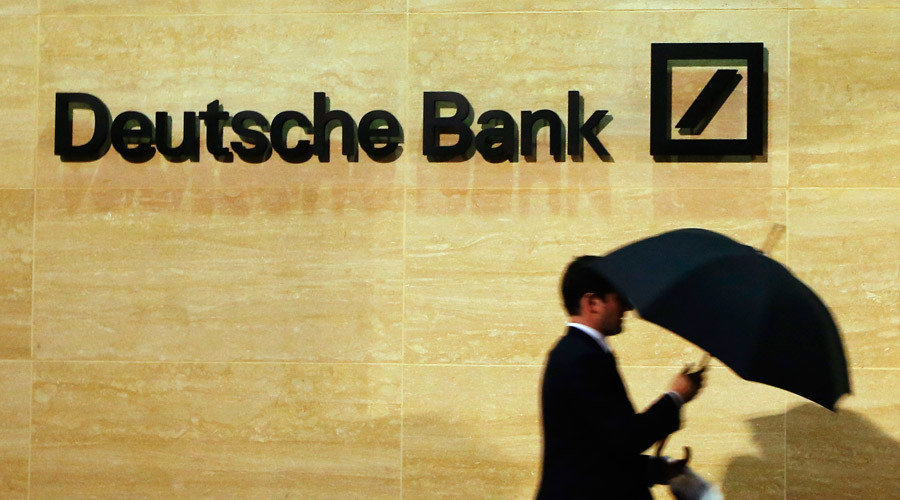
Deutsche Bank
© Luke MacGregor / Reuters
Max Keiser hit out against Deutsche Bank in the latest episode of his RT program Keiser Report, saying the bank was "technically insolvent" despite assurances from German Finance Minister Wolfgang Schaeuble that he had "no concerns" over his country's biggest bank.

Deutsche Bank shares are down 40 percent since the beginning of the year, falling below their price at the time of the 2008 financial crisis. The bank suffered record losses of €6.8 billion in 2015.

Cookie

Putin rejects "double standards" and need for unified anti-terrorism front in phone call with Obama

obama putin
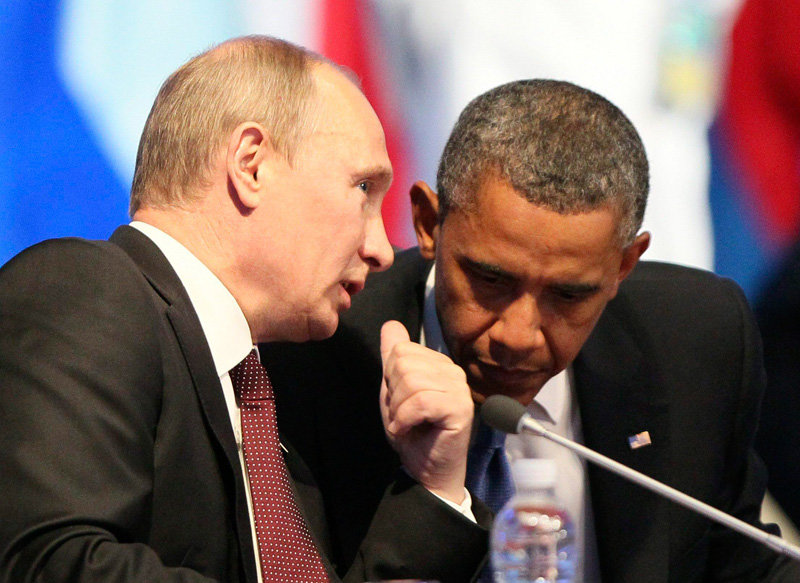
Russian President Vladimir Putin and his US counterpart, Barack Obama, discussed Syria in a phone call Sunday, with Putin stressing the need to establish better cooperation between the countries' defense ministries in the fight against terrorism.

In the telephone conversation Putin said that is important to create a unified anti-terrorism front, rejecting "double standards," the Kremlin press service said in a statement Sunday.

"In particular, the President of Russia noted the need to organise close working contacts between the Russian Defence Ministry and the US Department of Defence, which would make it possible to combat ISIS and other terrorist organisations in more effective and better-planned fashion," read the statement.

Both presidents gave a positive assessment of the International Syria Support Group (ISSG) meeting in Munich this week, which laid out a plan to end hostilities in Syria and start a real political process there.

Airplane

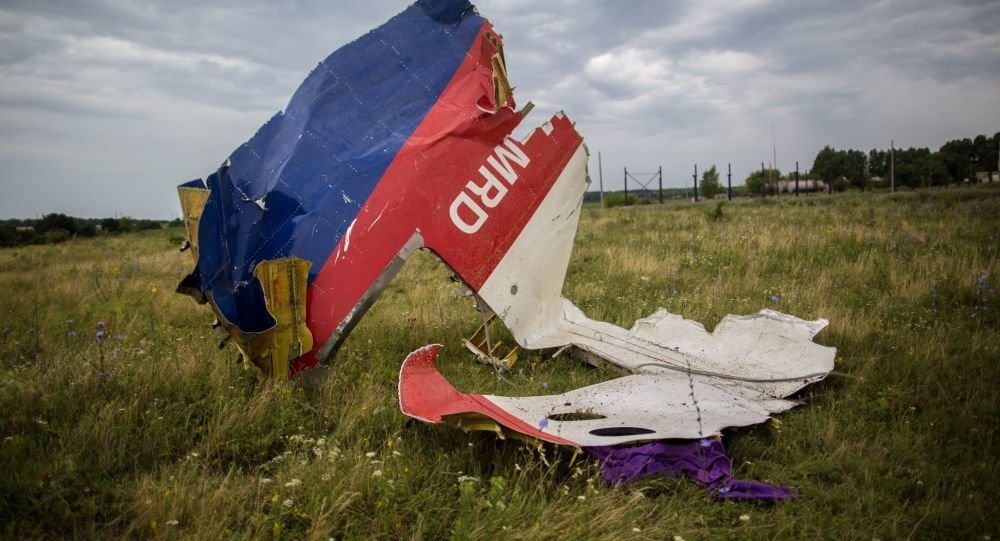
MH17 19 months later: What we know

volo mh17
© Sputnik. Andrei Stenin
This post provides an overview of important pieces of what could be parts of the complete MH17 puzzle. Many many questions are still unanswered 19 months after the shot down.

I encourage you to use the comments to express your opinion about what could have happened.

Months before July 17
  1. Ukraine President Yanukovich impeached in February 2014 (Source)
  2. Putin annexed Crimea (March 2014)
  3. Separatists supported with Russian equipment and Russian military leaders revolted in Eastern Ukraine. (Wikipedia)
  4. Oligarchs and Ukraine politicians have warm connections with the United States.
  5. Euromaidan is an important piece of the puzzle
  6. Ukraine politicians are corrupt. Ukraine is more corrupt than Russia
  7. Ukraine does not have a regular army like in Western countries. There are extreme rightwing armies which has mercenary soldiers from many countries. These are not controlled by the Ministry of Defense in Kiev but rather by oligarchs like Kolomoyskyi which has ties to Israel.

Comment: Given the scanty evidence of bow-tie shrapnel, it's questionable whether it was even a BUK to begin with. We'd add a fourth possibility: an air-to-air missile. The DSB said it ruled out such a cause, but did not provide sufficient evidence or reasoning for such a choice, and it did not provide evidence that it comprehensively ruled out all other type of missiles.