
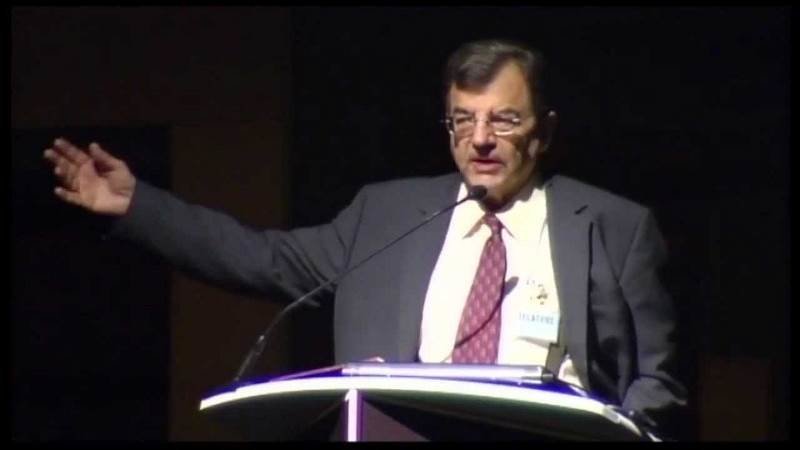
Michael Hudson
Suppose a country owes money to another nation's government or official agency. How can creditors collect, unless there's an international court and an enforcement system? The IMF and the World Bank were part of that enforcement system and now they're saying: 'We're not going to be part of that anymore. We're only working for the U.S. State Department and Pentagon. If the Pentagon tells the IMF it's okay that a country doesn't have to pay Russia or China, then now they don't have to pay, as far as the IMF is concerned.' That breaks up the global order that was created after World War II. The world is being split into two halves: the U.S. dollar orbit, and countries that the U.S. cannot control and whose officials are not on the U.S. payroll, so to speak. [...] Today we discuss his article, "The IMF Changes Its Rules to Isolate China and Russia."
[...]
Bonnie Faulkner: I'm so happy I was able to be there. That is a conference to remember, for sure. Well, I've been reading your article, "The IMF Changes Its Rules to Isolate China and Russia." It rings an alarming bell about the implications of rule changes at the International Monetary Fund, the IMF, which makes loans to governments. Before we discuss these IMF rule changes specifically, what precipitated these drastic policy shifts at the IMF?
Michael Hudson: There are a number of policy shifts. The first shift was that - In the past the IMF has not made loans to countries that are in default to governments. That's because in the past, the government in question was the U.S. Government. Since World War II almost all international financial bailout or stabilization loans by the IMF and World Bank have involved the U.S. Government, in conjunction with consortia of U.S. banks.


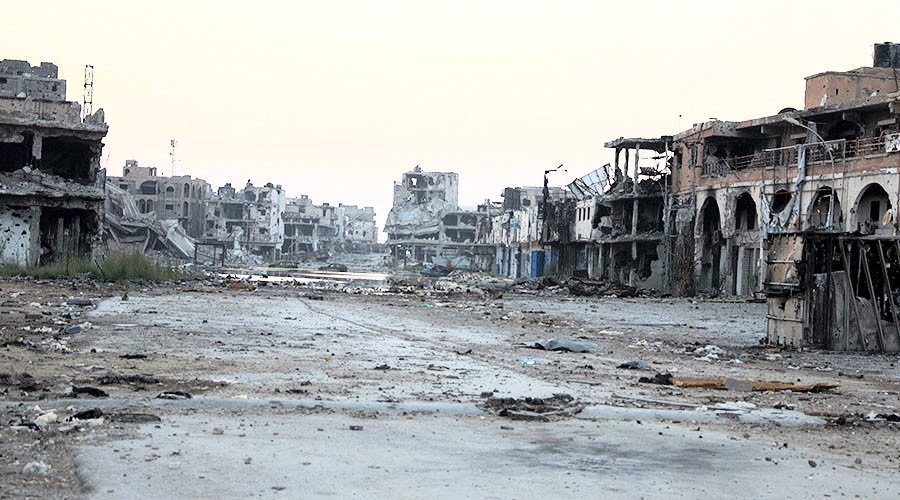




Comment: The Maidan sniper massacre initiated so many tragic events in Ukraine's history, including an ethnic cleansing, a rise in neo-Nazi gangs, the loss of Crimea, and an all-out economic collapse. Each of them seemed designed, in their own way, to draw Russia in and trap her in a Ukrainian quagmire. It didn't work, so those responsible quickly 'washed their hands' of the mess and walked away, leaving Ukraine to die: