In view of the total failure the US policy to regime-change Syria and overthrow Assad,
the time has now come for the United States to make a fundamental choice: to negotiate or double down. Apparently, Kerry and others initially tried to negotiate, but the Pentagon decided otherwise, treacherously broke the terms of the agreement and (illegally) bombed the Syrian forces. At which point,
Kerry, Power and the rest of them felt like they had no choice but to "join" the Pentagon and double down. Now the
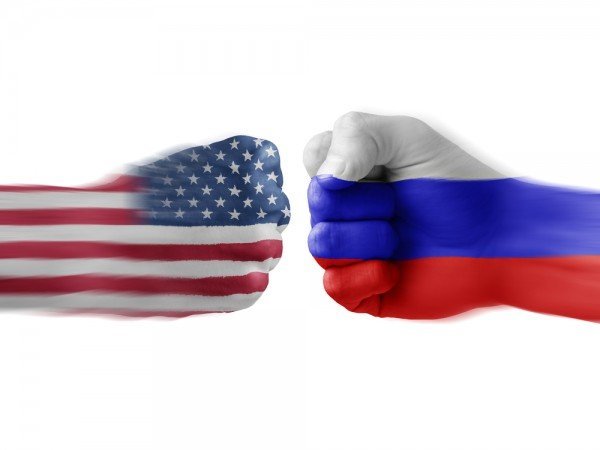
US "warns" Russia that if the Aleppo offensive continues, the US will not resume negotiations. This is a rather bizarre threat considering that the US is clearly unable to stick to any agreement and that the Russians have already concluded that the USA is "
not-agreement-capable". The Russia reaction was predictable:
Lavrov's admitted that he could not even take his American colleagues seriously.Okay, so both sides are fed-up with each other. What comes next?
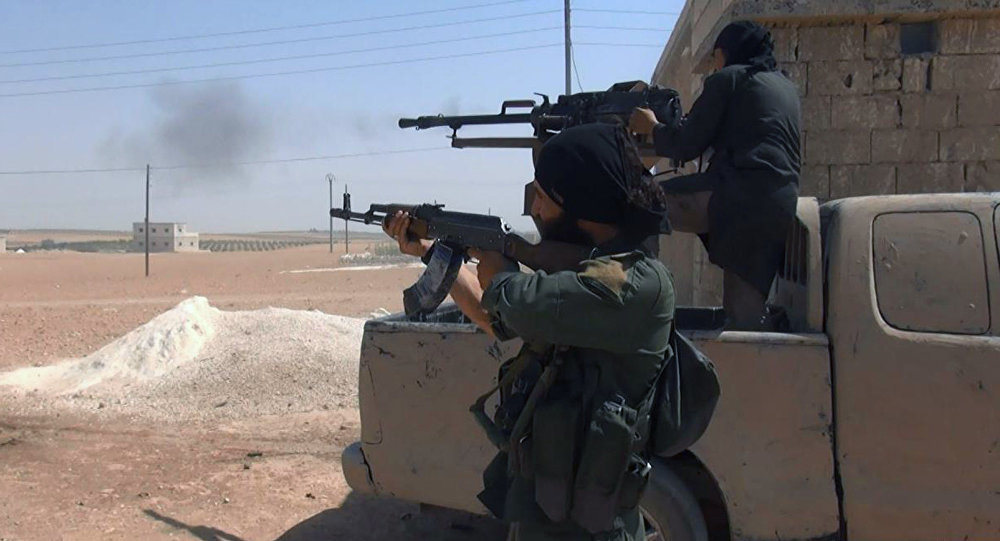
The US will send more weapons to Daesh, including
MANPADs,
TOWs and
Javelins.
The effect of that will be marginal. Russian fixed-wing aircraft fly at over 5,000m where they are out of reach from MANPADs. They are currently the main provider of firepower support for the Syrians. Russian combat helicopters, while probably not immune to MANPADs, are still very resistant to such attacks due to three factors: survivability, weapons range and tactics; Mi-28s and Ka-52 have missiles with a maximum range of 10km and the way they are typically engaged is in a kind of 'rotation' where one helicopter flies to acquire the target, fires, immediately turns back and is replaced by the next one. In this matter they all protect each other while presenting a very difficult target to hit.
Russian transport helicopters would, however, be at a much higher risk of being shot down by a US MANPAD. So, yes, if the US floods the Syrian theater with MANPADS, Syrian aircraft and Russian transport helicopters will be put at risk, but that will not be enough to significantly affect Russian or Syrian operations.











Comment: Here is where some of your hard earned tax dollars go.