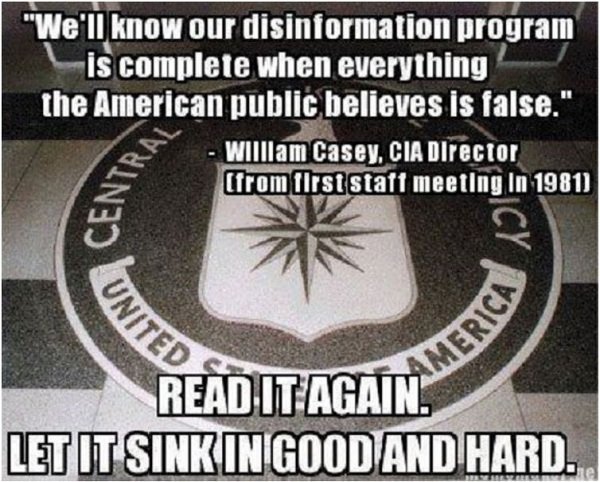
This is a blatantly politicized "report" that is not supported by any evidence, nor is it supported by the other 16 intelligence agencies.
The recent pronouncement by the C.I.A. that Russian hackers intervened in the U.S. presidential election doesn't pass the sniff test--on multiple levels. Let's consider the story on the most basic levels.
1. If the report is so "secret," why is it dominating the news flow?
2. Why was the "secret report" released now?
3. What actual forensic evidence is there of intervention? Were voting machines tampered with? Or is this "secret report" just another dose of fact-free "fake news" like The Washington Post's list of 200 "Russian propaganda" websites?
4. The report claims the entire U.S. intelligence community is in agreement on the "proof of Russian intervention on behalf of Trump" story, but then there's this:
"The C.I.A. presentation to senators about Russia's intentions fell short of a formal U.S. assessment produced by all 17 intelligence agencies. A senior U.S. official said there were minor disagreements among intelligence officials about the agency's assessment, in part because some questions remain unanswered."







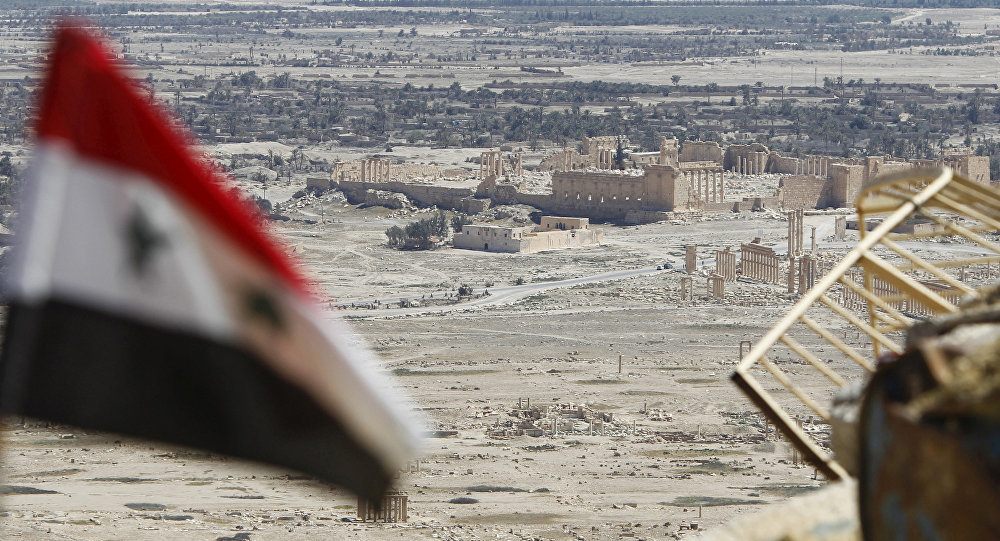



Comment: The army has regained control over the barracks near the Tiyas base today. Yesterday, Putin convened a meeting of the Russian Security Council, where they discussed Palmyra. As Alexander Mercouris points out, the official list of participants was notably truncated, and the photograph of the meeting obscures the individuals to Putin's left. Mercouris writes: