
© Leavethecult.com
It is a testament to the degree to which presentation overshadows practice in modern political life that 49 percent of Americans approve of George W. Bush. Here is a President not only on the wrong side of history in almost every particular, but one whose misjudgments continue to constrain the country in measurable ways into the present. He is the author of two wars, one entered into based on faulty information, that have cost thousands of American, Iraqi and Afghani lives and further destabilized the Middle East, delivering it to the machinations of Islamic militants and increasing threats to our national security. To fund these wars, he employed deficit spending that could have been used to grow human and material capital through investments in infrastructure, education, clean energy and scientific research, among other areas. In the process of ballooning the deficit, he put further pressure on entitlement programs that were already moving toward unsustainability, helping precipitate a political crisis 20 years earlier than necessary. His concrete domestic innovation is a sprawling and convoluted defense bureaucracy lacking adequate oversight. His signature domestic initiative, a stillborn plan to privatize social security and create an "ownership society," appears, five years into an economic downturn precipitated by unwise investments, astonishingly ill-conceived. His two most successful decisions, the 2007 "surge" and the 2008 bailout, were reversals of errors that he either caused or compounded. This would not, in sum, seem to be a politician who merits much affection from the electorate based on his policies. Yet here he is enjoying a 49 percent approval rating, the result of a successful rebranding in which his professed purity of motives have come to count for more than the quality of his actual performance.
This rebranding had several sources. The first was historical logic: the dissatisfaction that Bush helped precipitate among Republicans ended up empowering figures so radical that he appeared prudent by comparison. The second was Bush's own canny performance once he was out of office: unlike, say, Dick Cheney, he stayed on the political sidelines and devoted himself to benign initiatives helping African AIDs victims and U.S. veterans. The third, and most instrumental, was a Washington press corps habitually focused on stark narrative contrasts, which helped publicize the benign storyline that the former president was quietly crafting (Bush vs. the Tea Partiers, Bush vs. Cheney). The opening of the Bush Presidential Library in April functioned as the opportunity for this process to go public, and, specifically, for longtime Bush supporters to press their case for redemption in a newly receptive environment. Against the backdrop of partisan logjam in Washington, the event was portrayed in the rosy hues of reunion: in Peggy Noonan's unabashed rendering, "What was nice was that all of them - the Bush family, the Carters and Clintons - seemed like the old days. 'The way we were.'" The exhibition itself included prominent places for Condoleezza Rice, Stephen Hadley and Andrew Card, those figures marginally less tarnished by the Administration's blunders, and none at all for the reviled troika of Cheney, Donald Rumsfeld and Karl Rove. Political commentary tended to revolve around the President's charitable initiatives or, more insistently, his "character."












Comment: This is a perfect example of what happens when psychopathic 'morality' infects a society and turns most of the population, and especially the 'authorities', into half-wits, exactly as Lobaczewski described in Political Ponerology.
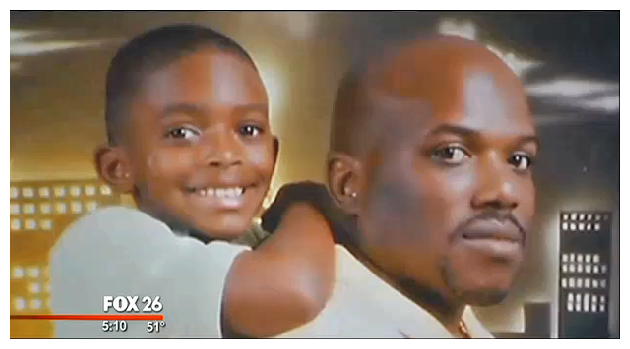
UPDATE: According to another report, Hall didn't pay too much child support - he caught up on back-payments that he claims he didn't know he owed as soon as he found out about them. At the above link we read: In the video above, they note that the judge said Hall walked out of court after being held in contempt - not that he was held in contempt because he walked out.
Thus, it still appears, as of now, to be rather unjust.