
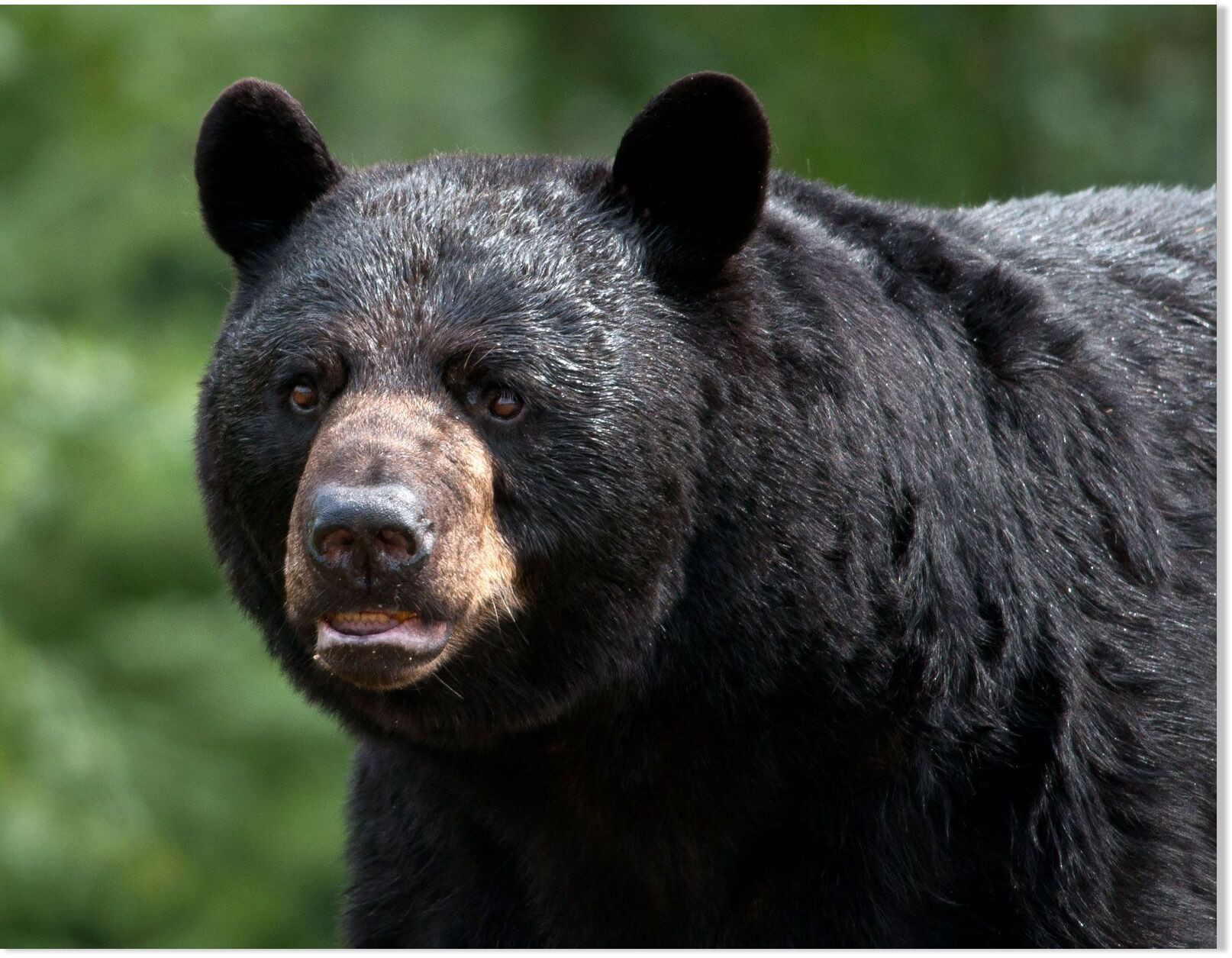
"This encounter lasted a really long time," Kara Van Hoose, public information officer with responding agency Colorado Parks and Wildlife (CPW), told Outside. "It was about 30 minutes. Normally, bear conflicts don't last that long."
"It's a red flag," she added.
According to Van Hoose, the hiker, whose name and age have not been released, suffered minor injuries. The woman was hiking alone on the Enchanted Forest Trail when she encountered a black bear that ripped off her backpack and scratched her leg. The woman tried to scare the bear off by shouting and throwing sticks and rocks. Still, the animal followed her down the trail for more than half an hour.
After two other hikers came to the woman's aid, the bear left and crossed a nearby gully, where it began following another group of people.
By the time CPW officers responded to the scene, the bear was gone, Van Hoose said. Authorities closed the entire 700-acre park for an undetermined period.
Van Hoose added that the victim didn't appear to have done anything wrong—she wasn't even carrying food. The bear seemed acclimated to humans and wasn't scared.
"We think it's possible this bear had gotten into trash or been rewarded before with unnatural food," Van Hoose said. "Maybe it was fed before by humans. We can't say for sure, but when we see this type of behavior, that's where our mind goes. It's used to human presence, and now its food drive has overtaken anything else that would have caused it to run away."
Authorities say they are still searching for the bear and may relocate or euthanize it once they find it.
"We're still evaluating our options," Van Hoose said. "We want to be able to observe the bear and see how it behaves, if we can notice any health problems, for example. First, we need to find it."
The First Bear Attack of What Could Be an Unprecedented Year
Somewhere between 17,000 and 20,000 black bears live in Colorado, Van Hoose said. Sunday's encounter is the first recorded bear attack in the state this year, but reports of bears are already abnormally high. The CPW has logged more than 1,500 bear reports this year. At the same time last year, there were only around 1,000.
"A bear report can mean a bear sighting, or it could mean that a bear got into someone's trash," Van Hoose said. "Basically, it's any time someone calls us about a bear."
Since records began in 1960, Colorado has recorded 97 attacks, three of which occurred in 2025. This uptick in sightings and an unusually warm winter suggest that bears may be particularly problematic this season, according to Van Hoose.
"We're expecting this to be a higher conflict year with bears because we have a historically low snowpack," she said. "The Colorado winter didn't really happen. We didn't get the normal amount of snow that would sustain bears' natural food sources, the cherries and berries that they should be eating. Bears still have to eat, and in drought years, they go into neighborhoods and towns, looking for trash and food."
Leaving food or water out for animals during a drought year can worsen bear problems.
"It's harmful for them," Van Hoose said. "It leads to habituation and disease spread. They can find food and water on their own; they may just need to search a little bit more than last year."
The CPW has six recommendations from the nonprofit education organization BearWise to help Coloradans stay safe from bears while recreating outside.


Reader Comments
to our Newsletter