Thomas Mukoya and Monica Mwangi Reuters Sat, 07 Mar 2026 11:30 UTC
Severe flooding in Nairobi
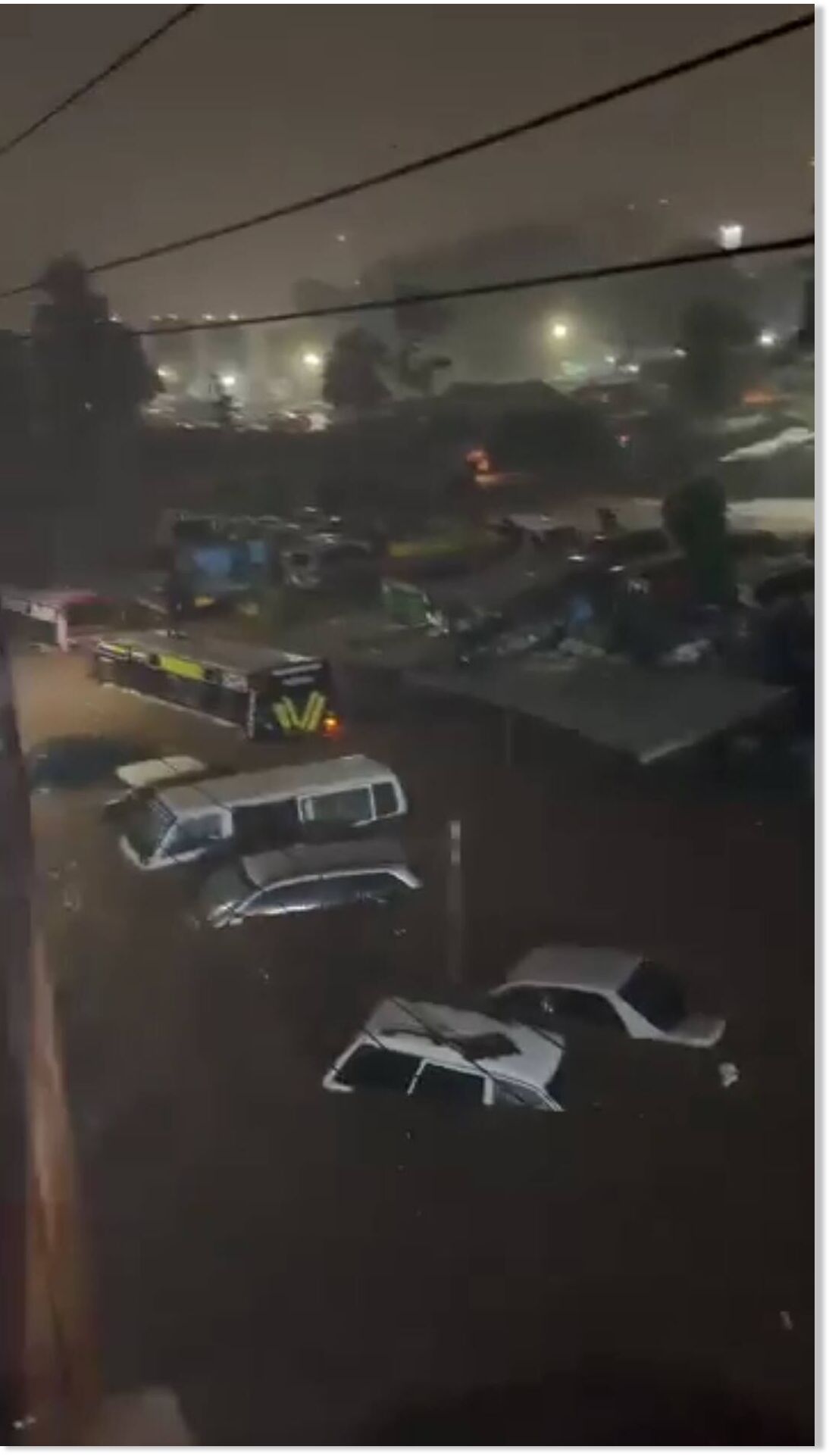
Aid workers pulled bodies from floodwaters across Nairobi on Saturday after overnight flash floods killed at least 10 people, swept away dozens of cars and disrupted flights at East Africa's biggest airport, authorities said.
In the industrial neighbourhood of Grogan, security guard John Lomayan, 34, looked at the body of an elderly man he recognised - a roadside egg seller - trapped beneath a car that had been washed away when the Nairobi River burst its banks.
"I saw him being carried by the water from up there," he said, gesturing up the road. "We didn't know where he had gone. It is only now that we see him under the car".
A Reuters reporter saw three bodies pulled from underneath cars. Police said 10 people had been confirmed dead so far.
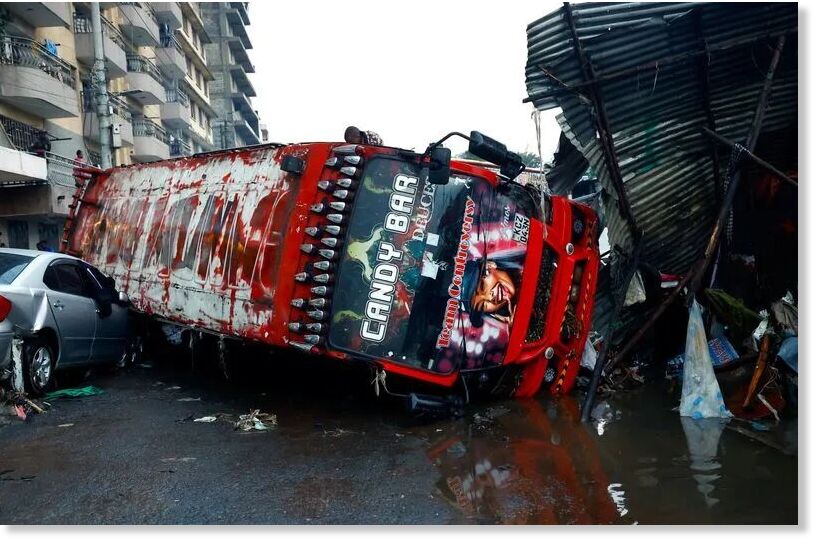
A public transport bus known as matatu lies on top of a private car as a result of heavy rainfall in the Grogan area, popular for automotive workshops and secondhand spare parts, in downtown Nairobi, Kenya, March 7, 2026.
The death toll from flooding triggered by heavy overnight rainfall in the Kenyan capital, Nairobi, has risen to 28, police said on Sunday, as rescue teams continue searching for survivors in several parts of the city.
Nairobi County Police Commander George Seda said five more bodies were recovered on Saturday evening from separate locations after floods submerged vehicles and forced motorists in some areas to flee to higher ground.
Seda said more bodies could still be found as search operations continue, with some parking areas and flooded locations remaining inaccessible.
The torrential rains caused widespread flooding, destruction of property, road closures and the displacement of residents in several neighborhoods across the capital.
At least 110 people have died as floods triggered by heavy rains continue to devastate large parts of the country, with the crisis now affecting 30 counties, according to the latest update by the Ministry of Interior.
The disaster, government notes, has steadily expanded, with Kilifi, Bungoma, Nyeri, Kirinyaga, Nyandarua, Kiambu, Uasin Gishu and Mandera among the latest areas to report flooding as rivers burst their banks and drainage systems fail under sustained downpours.
Nairobi has recorded the highest number of fatalities at 37, underlining the dangers posed by poor drainage infrastructure and settlements in low-lying and riparian zones. The Eastern region follows with 26 deaths, while the Rift Valley has reported 14. Nyanza has recorded 11 fatalities, Central six, the Coast five and Western region two, reflecting the widespread nature of the crisis.
At least 6,953 households, equivalent to about 34,765 people, have been displaced, many forced to seek shelter in schools, churches and temporary camps after their homes were submerged or swept away. Three people remain missing as search and rescue operations continue.
The unfolding emergency reflects a broader pattern seen in recent years during the March to May long rains season, which has become increasingly erratic and intense.




Comment: Update March 8
XINHUA reports: Update March 10
AFP reports: Update March 30
ntvkenya.co.ke reports: