
© European Press AgencyMoody’s was the last among major ratings agencies to keep a top, triple-A rating for US sovereign debt.
The layers of irony behind this downgrade — and its timing — aren't lost on me.
It's a farce, really. By the logic Moody's is now applying, the downgrade should have happened a decade ago, when it became painfully clear that the U.S. had a crippling spending addiction, compounded by a monetary ideology that essentially tried to reverse the fundamental laws of debits and credits.
Yes, it's bad enough that the U.S. now carries $37 trillion in debt. But what's worse is that, despite this massive burden, deficits have continued to grow — clear proof that we've learned nothing about fiscal restraint. Our refusal to stop putting everything on the national credit card, and our complete disregard for basic math and economic reality, should have triggered multiple downgrades over the past decade.
But the real kicker isn't just the reckless spending — it's our full embrace of Modern Monetary Theory, which doesn't just ignore this irresponsibility but actively encourages it. Yet, somehow, Moody's didn't see a problem with monetary policy anytime before Friday.
To quote Peter Gibbons in Office Space:
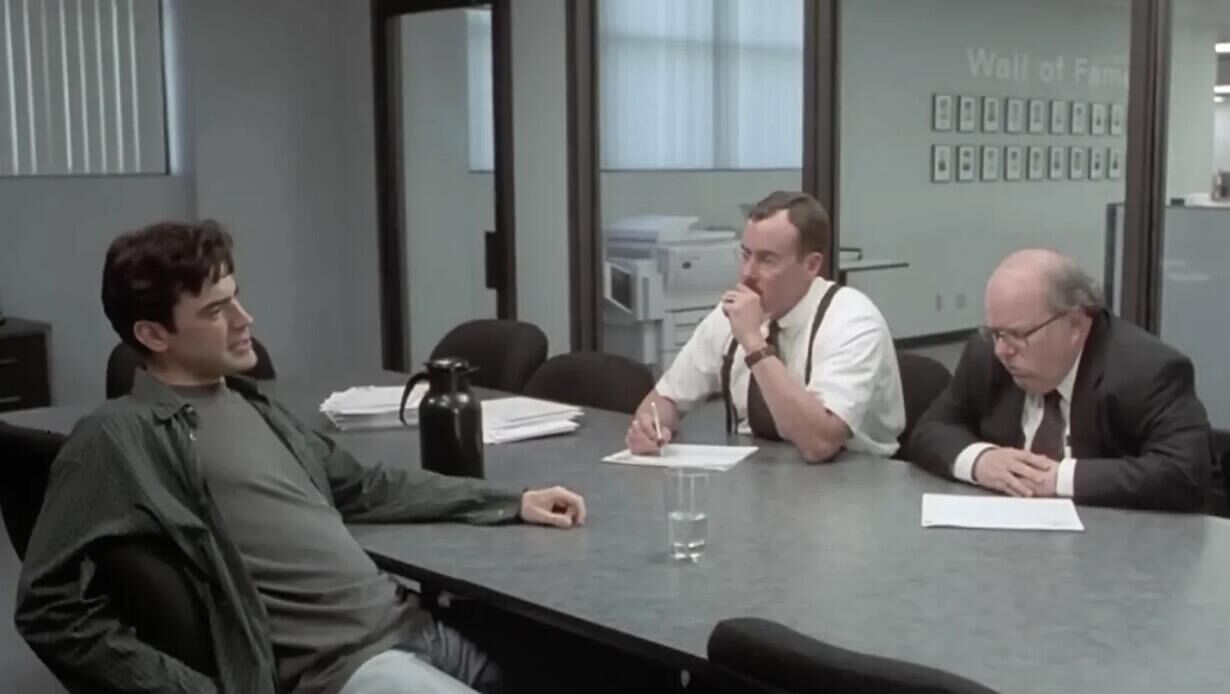
“It’s not that I’m lazy, it’s that I just don’t care.”
Every time the Federal Reserve and the people responsible for advocating asinine monetary theory put on full display their inability to understand the economy or forecast economic events, it should have sent a message to rating agencies that the country is flying blind when it comes to fiscal and monetary policy, and that we deserved a downgrade.

When Bernanke said the subprime crisis was "contained", before it caused the collapse of the entire global economy, we should have been downgraded.
Every time a Fed governor like Neel Kashkari went on national television to declare that the Federal Reserve had "infinite money," we should have been downgraded.
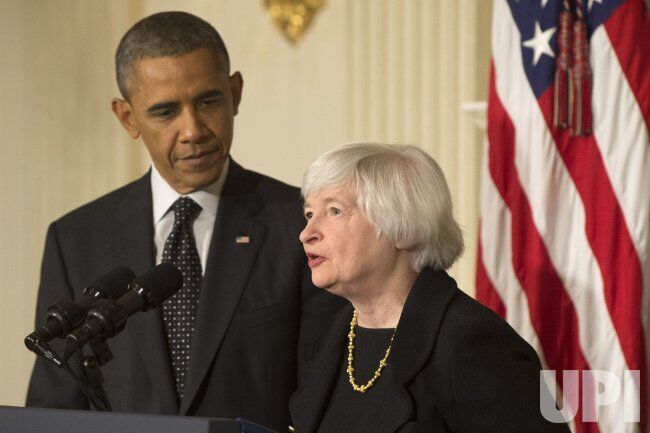
© UPI/Kevin DietschPresident Barack Obama listens as Janet Yellen, his nominee to be the next Chair of the Federal Reserve October 9, 2013
And every time an analyst, famous investor, government official, or Fed member incorrectly claimed that inflation was transitory when it wasn't, the country should have been downgraded.
No, it wasn't just the backwards monetary policy we embraced to make ourselves feel better about our financial irresponsibility that should have led to downgrades; it was also the ongoing parade of public gaffes and humiliations by everyone associated with the Treasury Department and the Federal Reserve over the last two decades.
This put on full display to everyone in the world who was paying attention — apparently except the rating agencies — that we were on a treacherous path, destined to end in a catch-22.
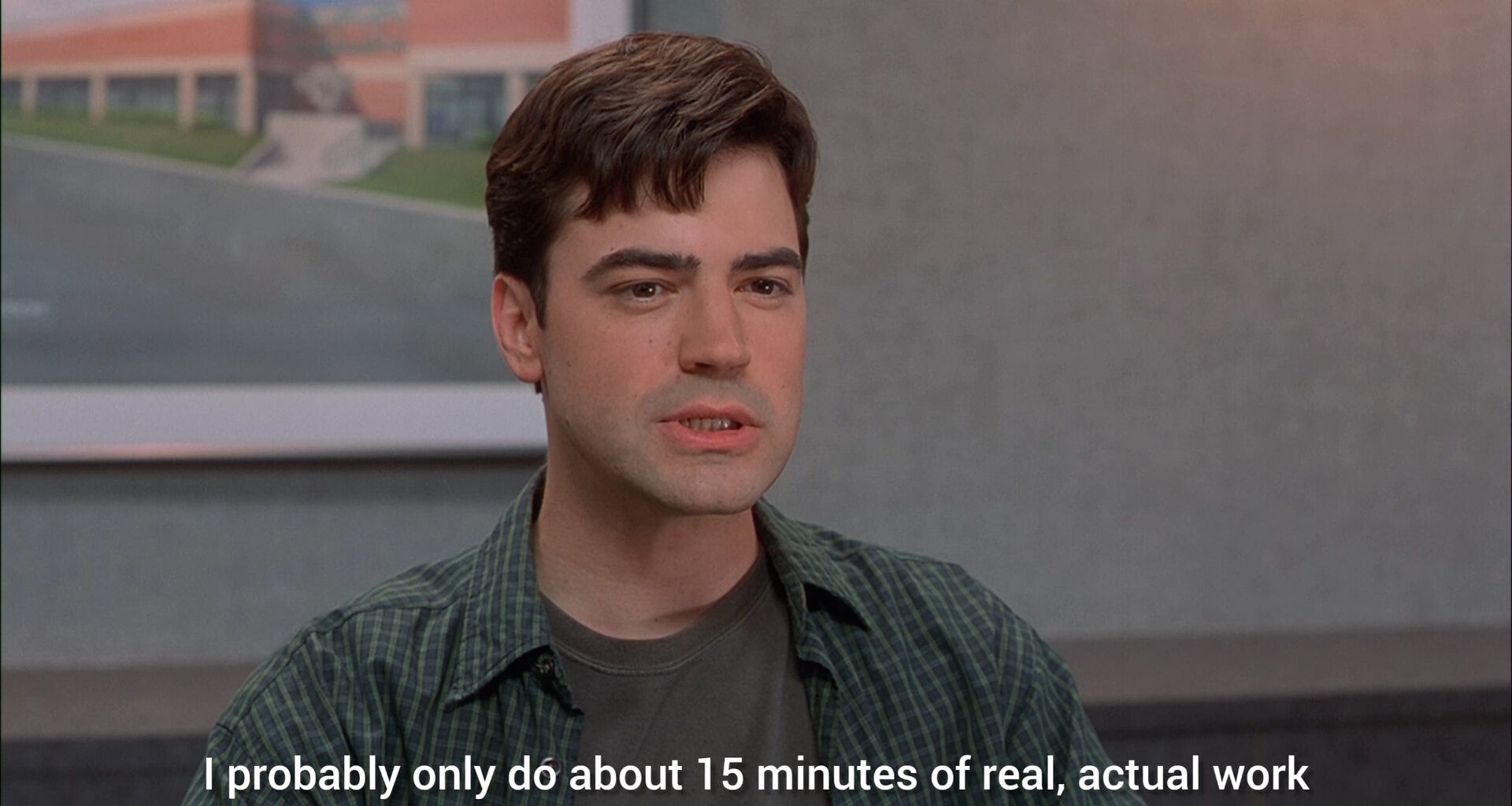
A Moody's analyst
The Biden administration never even talked about the idea of making cuts or balancing the budget — the bare minimum any administration can do. Simply talking about fiscal discipline is often enough politically; you don't even have to deliver results. But the Biden administration couldn't even manage that.
And then along comes the Trump administration, running on the idea of trying to rein in spending and taking on the Herculean task of, at least in some small way, addressing the nation's out-of-control deficit. There's been talk about recalibrating global trade. There have been attempts — however slow — to curb spending through DOGE's effort. And there's been a focus on getting the country's financial house and deficit back in order for the first time in at least a decade.
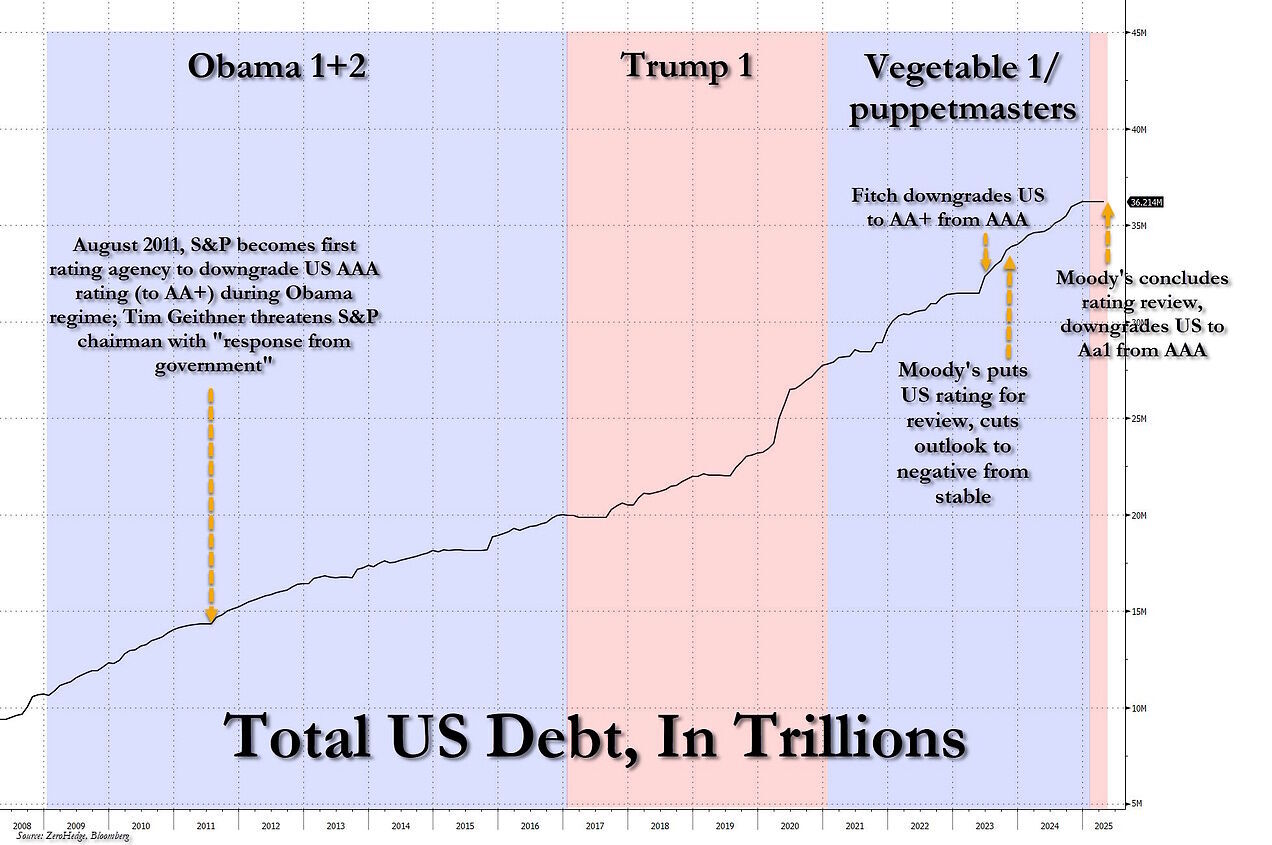
Only now, as the torch passes to the administration which, at the very least, is at least talking about balancing the budget and taking some steps toward it — Moody's shows up and casually downgrades the country's credit rating. Here's the timing of the downgrade on a chart, in a way that only Zero Hedge can do:
© Zero Hedge
I'm not saying Moody's was wrong, I'm saying it doesn't matter. The U.S. has already set its course. One way or another, we'll keep printing more money and relying on the dollar's status as the global reserve currency to futilely prop up our standard of living.
There might be some adjustments in trade policy or spending, but our general trajectory was set after 2000, locked in after 2008, and supercharged by the unprecedented quantitative easing during COVID, when we simply papered over the entire economy with new cash, only to be befuddled by where excess inflation came from. Make no mistake: any time there's financial instability going forward, the U.S. will print money first and ask questions later. And whatever Moody's or any other rating agency has to say about it is irrelevant.
Long ago, we embarked on an unprecedented monetary policy experiment. And the outcomes will be just as unprecedented. That means neither you, nor I, nor the same rating agencies that were all but complicit in the subprime housing crisis, can predict how this ends.






[Link] - Turbulent waters may have contributed to Mexican tall ship’s crash into Brooklyn Bridge