IRNAThu, 28 Dec 2023 22:27 UTC
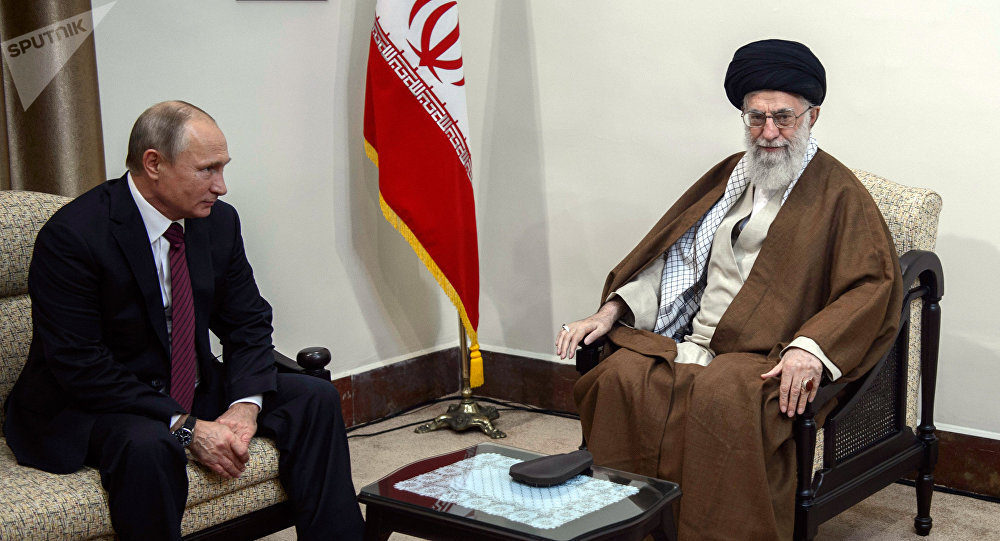
© Sputnik/ Russian Presidency Press ServiceFILE:
The establishment of new financial and banking platforms has opened a "new chapter" in banking relations between Iran and Russia, with the two countries agreeing to ditch the US dollar and instead trade in local currencies.
Platforms such as non-SWIFT messaging systems and establishing bilateral brokerage relations using national currencies are now being used by banks and businesses in Iran and Russia, Fars News reported on Wednesday, citing information from the Central Bank of Iran.
In a recent meeting, Governor of the Central Bank of Iran Mohammad-Reza Farzin and his Russian counterpart finalized an agreement to use national currencies in bilateral trade.
Farzin
also proposed harnessing the capacities of BRICS to facilitate transactions during Russia's presidency over the group of emerging economies. The proposal was welcomed by Russia's top banker.
According to the report, the technical provisions of the agreement will be put to discussion during future meetings between governors of central banks of Iran and Russia.
Iran and Russia, both under draconian Western sanctions, have repeatedly criticized the US and its European allies for weaponizing the dollar as a tool to put pressure on other countries.
They, along with other members of BRICS, have launched initiatives to move away from dependence on the US dollar in bilateral trade.
Comment: Oil Price reports:
"Banks and economic actors can now use infrastructures including non-SWIFT interbank systems to deal in local currencies," Iran's state media has declared.
Moscow has lately been cozying up to Tehran, with Iran revealing in November it will provide Russia with Su-35 fighter jets, Mi-28 attack helicopters and Yak-130 pilot training aircraft.
The global de-dollarization drive has been going on for years with BRIC countries and the so-called pariah states trying to ditch the American dollar in favor of other currencies.
Back in 2019, Putin declared that time was ripe to review the dollar's role in trade. At that time, Russia and China considered switching to the euro, the world's second most dominant currency, as an acceptable stalemate, with the ultimate goal being to use their own currencies.
Earlier in the current year, Russia paid dividends from the Sakhalin 1 and 2 oil projects in Chinese yuan instead of the dollar. Last year, Russia was cut off from the US dollar-dominated global payments systems following sweeping sanctions off the Ukraine war.
Russia has declared it will no longer accept the American currency as payment for its energy commodities but will instead switch to Chinese and Emirati currencies.
However, global de-dollarization efforts have borne little fruit with the vast majority of cross-border transactions involving BRICS members continuing to be invoiced in dollars. Indeed, exchanging BRICS members' local currencies with each other and with other emerging market currencies frequently requires using the dollar as an intermediary.
Further, a large share of public and private debt in these economies is dollar denominated. The relative stability of the dollar compared to many local currencies makes it more attractive as a medium of payment in cross-border trade. The dollar's widespread use in these cases has become self-reinforcing, thus preserving its dominant global role and impeding efforts to de-dollarize.
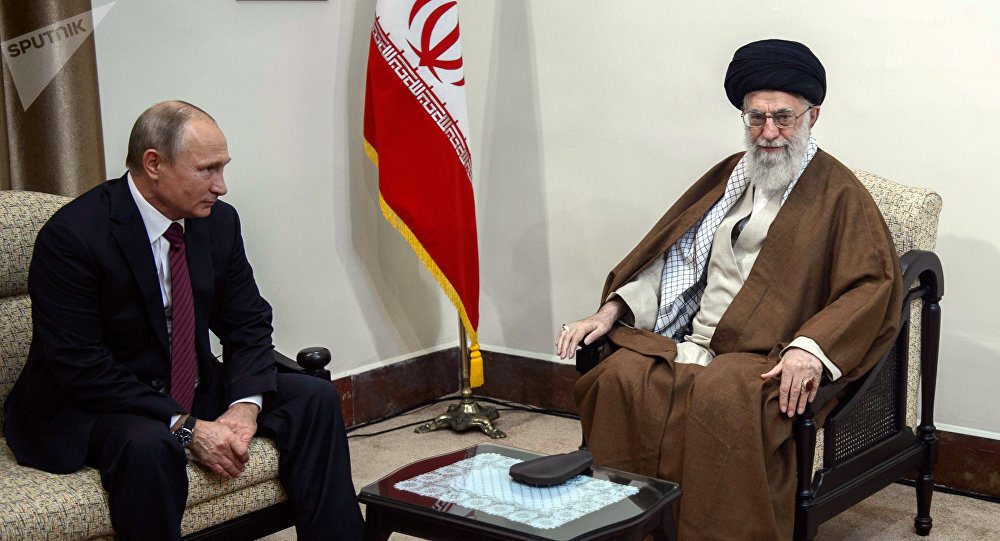
The multipolar world may, in some respects, be struggling to shake dollar dominance, but it's clear that preparations are in the works to ditch it once and for all:














Comment: Oil Price reports: The multipolar world may, in some respects, be struggling to shake dollar dominance, but it's clear that preparations are in the works to ditch it once and for all: