
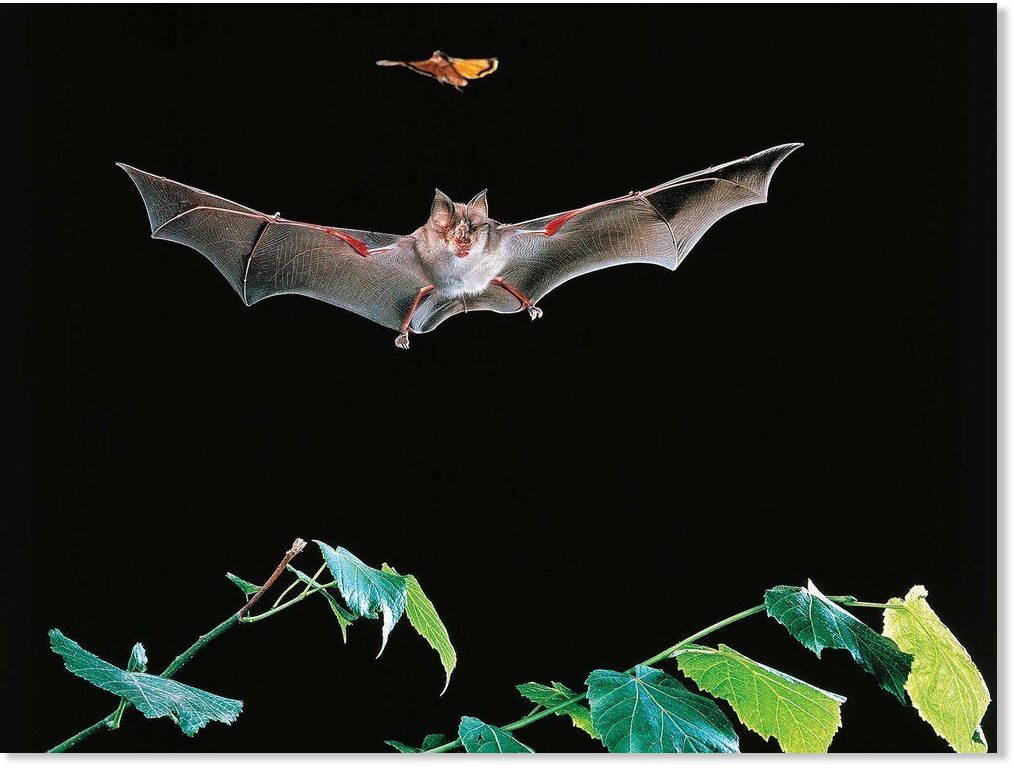
© DeAgostini / Getty ImagesA greater horseshoe bat can use echolocation to target an insect meal.
Humans have a bias for the daylight hours, when most of our activity takes place. But across the animal kingdom many species have a different perspective. They embrace the darkness. After all, roughly half of the planet experiences night at any given time, and environments like subterranean caves and the deep sea never receive any sunlight at all.
The darkness is alive with creatures of all types, and many of them have evolved incredible senses and abilities that help them prosper in a world without light. Here are five exceptional adaptations to the dark that stand out.
Owl Ears Pinpoint Prey
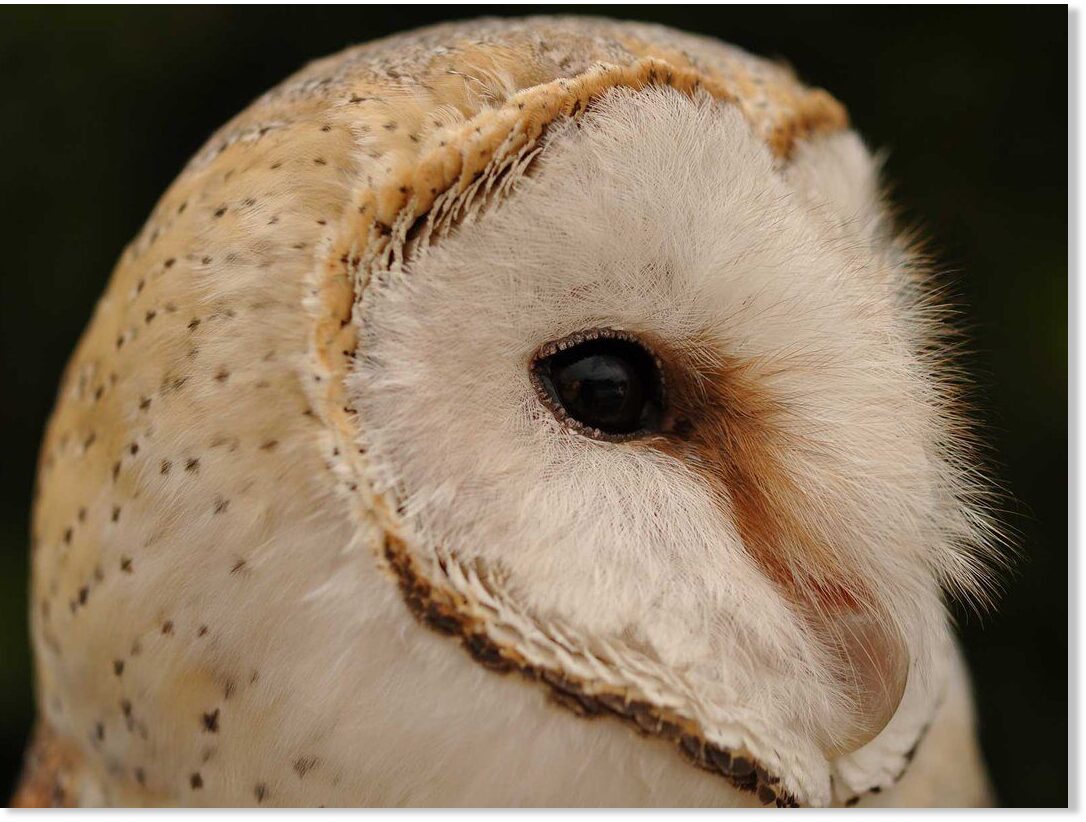
© Majority World / Universal Images Group via Getty ImagesBarn owls are considered one of nature’s super predators because of their silent flight and amazing hearing.
An owl's head features a round face, ringed with feathers, that has evolved to function a bit like a satellite dish — collecting sound and channeling it to ears hidden on the side of the face. In many species the ears are asymmetrically positioned, meaning that one ear is higher and frequently farther forward on the head than the other. Amazingly, an owl is able to perceive the tiny difference in the time it takes a sound to reach each ear. And because each ear provides a slightly different set of auditory feedback the owl is able to use them to triangulate on the source of the sound and hone in on the precise direction and distance to its unfortunate next meal — even when it can't be seen.
Bats Socialize with Soundwaves
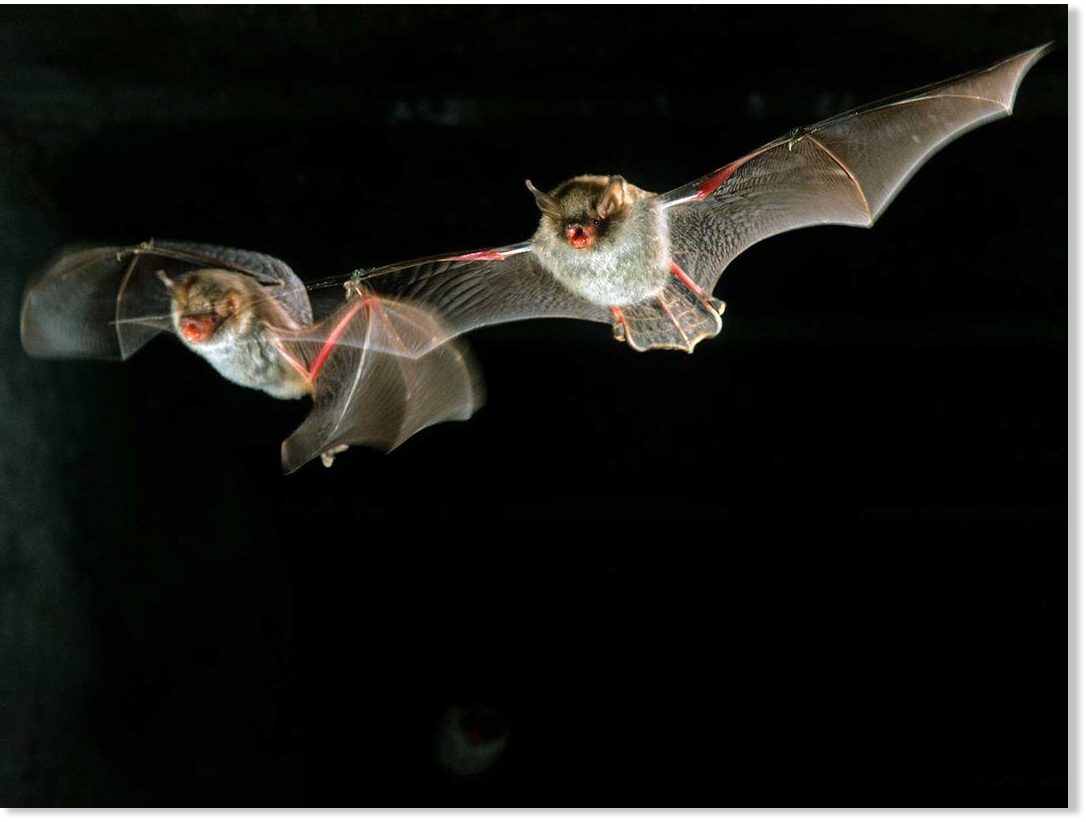
© Arterra / Universal Images Group via Getty ImagesNatterer’s bats fly in a cave in Europe. Bats can communicate with each other through echolocation calls.
But scientists have recently learned that echolocation also plays an important role in bat social life. The calls bats use contain information including sex, age or even individual identity.
Using behavior experiments Jenna Kohles and colleagues recently demonstrated that some bats can even use this identity information while they're flying and searching for prey.
"They can tell their group members apart from one another using just the "individual signatures" contained in the echolocation calls they use to search for insects," says Kohles, a behavioral ecologist at the Max Planck Institute of Animal Behavior. "So the social lives of bats flying around at night are likely to be much more complex than previously thought."
Snakes See in Infrared
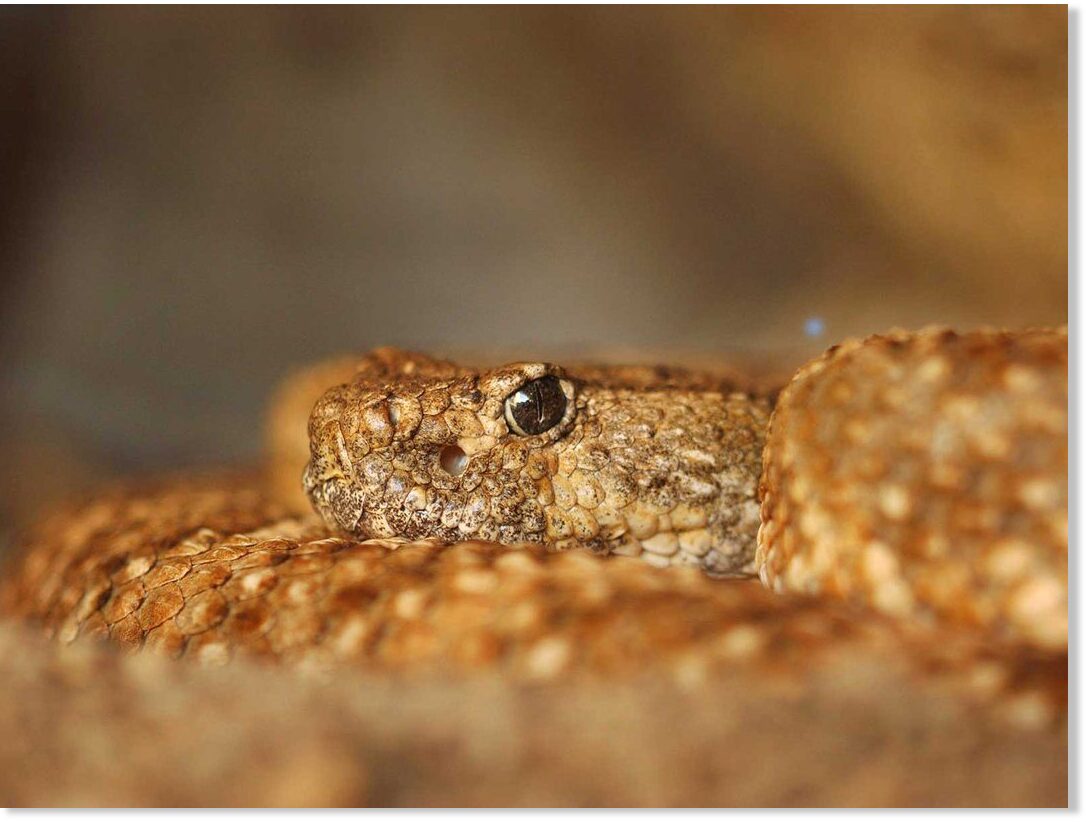
© David McNew / Getty ImagesA red diamondback rattlesnake lies coiled in wait in Joshua Tree National Park. The species is a pit viper, a type of snake named for the organ between its nostrils and eyes.
This incredible ability presents the snake with a view of its darkened surroundings that looks much like that captured by an infrared camera. Following a glowing bright spot enables the snake to pinpoint the location of the heat source — which often turns out to be snake's next meal.
A 2010 Nature study showed that these nerve receptors work by using the same nerve cell proteins that humans use to detect chemical irritants from sources as diverse as tear gas and chopped onions. In the snakes these 'wasabi receptors' have evolved to detect heat. More recent research suggests that cells in their pits may work like pyroelectric materials, generating small electric impulses when heated. The snakes process those electric signals to convert infrared radiation information into the thermal images that allow them to see in the dark.
Infrared vision enables snakes to strike by surprise. Cave boas, for example, hang from the ceilings of caves and snare passing bats. But certain prey may actually be on to this special serpentine ability. Research suggests that some ground squirrels might use their tails to confuse rattlesnakes by throwing off fake infrared signals. A squirrel pumps blood to its tail, heating it to match body temperature while waving it aggressively. The display makes the squirrel seem twice as large to a wary snake — and puts the predator on notice that its prey is prepared to fight back.
Lanternfishes Communicate with Light
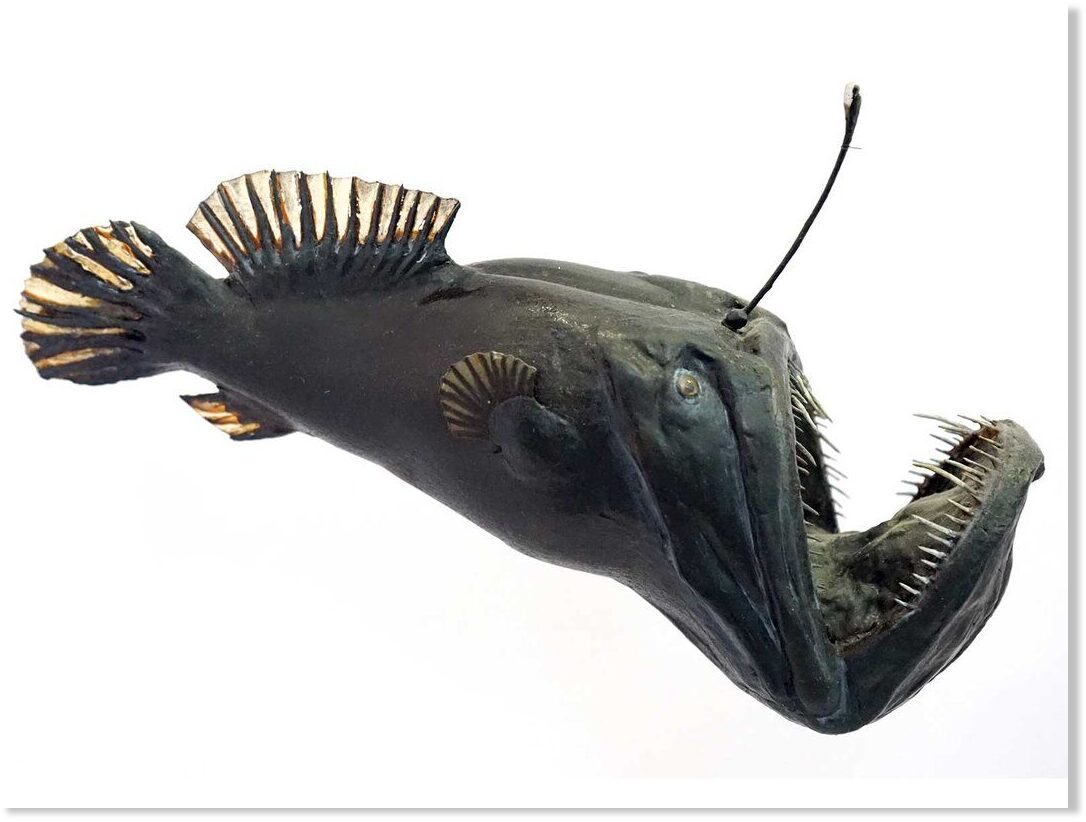
© Universal History Archive / Universal Images Group via Getty ImagesA model of an anglerfish. The hanging barbel glows to attract prey to the predator’s mouth.
In perpetually dark environments, like caves, many inhabitants have evolved to become blind. But the menagerie of animals in the deep sea tends to have well developed and highly sensitive eyes. "Their eyes are not for seeing sunlight, which is lacking, so what is the source of light?" asks Michael Latz, a marine biologist at the Scripps Institution of Oceanography. "It is bioluminescence. And it's very important for attracting or finding prey, scaring off or avoiding predators, and finding mates."
Bioluminescence may be rare on land but most of the animals in the ocean make their own light though this special chemical reaction, in which the organism oxidizes a molecule called luciferin, which then releases energy in the form of visible light. The ability has evolved many different times in diverse creatures ranging from fish to bacteria.
Lanternfishes are among the more successful bioluminescent species, a diverse family that comprises some 60 percent of all deep-sea fish. Lanternfish bellies and sides are arrayed with light producing organs used for camouflage. When patterns of ambient light filter down from the surface the fish match them, blending in to their surroundings with a technique known as counterillumination.
Fish also produce light for communication. There are some 245 species of lanternfishes and each boasts its own unique light arrangement and flashing pattern — a signature which might help them find suitable mates in the dark waters. Even ocean species lacking the ability to produce their own light count on bioluminescence to survive — by using another animal's light. Anglerfish famously use a glowing barbel to attract prey to their mouths, like moths to a flame. But to do so the non-bioluminescent fish must host gleaming bacteria that produce the flashy bait for their deep-sea trap.
Spider Legs Sense Vibrations — and Sound
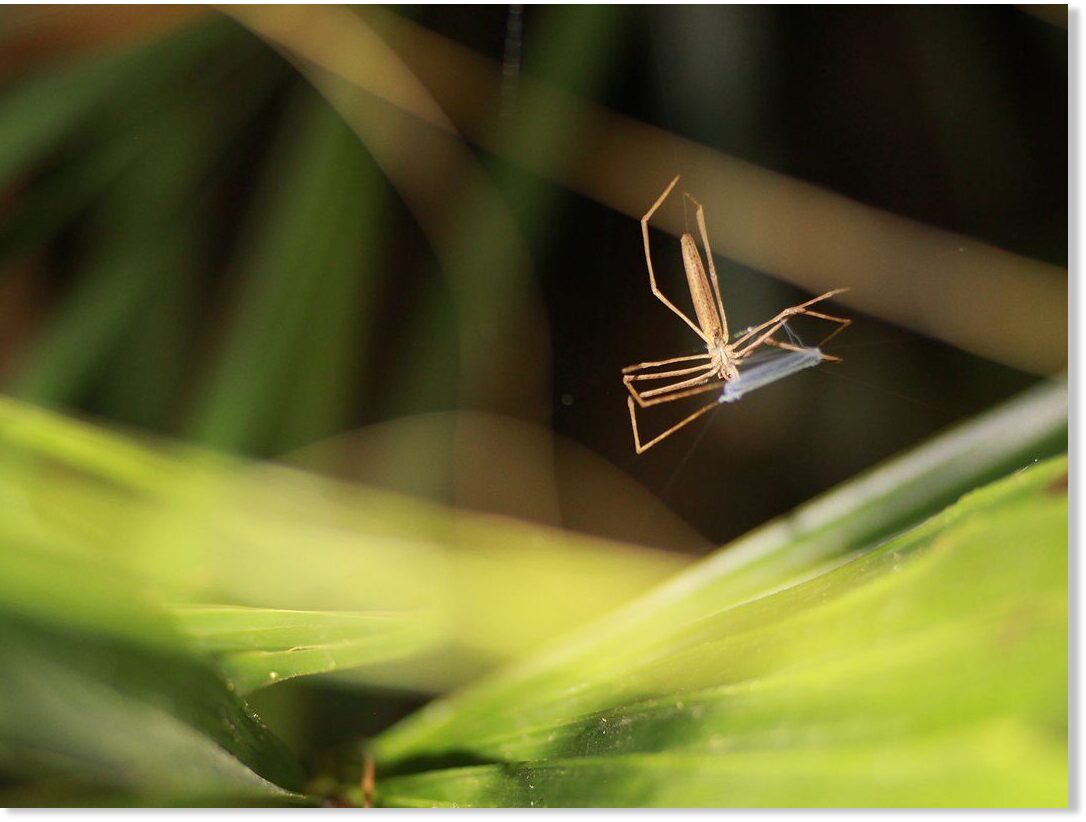
© Jay StafstromAnd ogre-faced spider holds its net while waiting for prey.
The spiders hang from a thread and, when triggered, net passing prey with a small web weaved across their front four legs. But Jay Stafstrom, who researches arachnid ecology at Cornell University, learned that the arachnids could still catch airborne bugs this way when blindfolded — so they weren't using their eyes.
Scientists knew that spiders use the sensitive metatarsal organs on their legs to detect vibrations in the air and locate creatures moving around them, but Stafstrom's team found that they also used them to respond to sounds. Noise at frequencies similar to those made by the wings of moths, flies, and mosquitoes actually caused spiders to perform backflip-like hunting movements and cast their nets for prey.
"In mammals and other animals ear drums are a big piece of the pathway that translate sounds into usable information in the brain," Stafstrom says. "These sensory systems are functionally doing the same thing, but they are doing it with different types of equipment."
The spider's strange hearing abilities may also serve as a warning system. The spiders stay very still when hearing high frequency sounds, perhaps because they associate them with predators. "Since we know birds eat lots of spiders and these spiders can hear bird calls, we think it might help them know when birds are coming."




(And, apparently, the editor won't allow me to bold part of a word without inserting a sp ace in it...)