
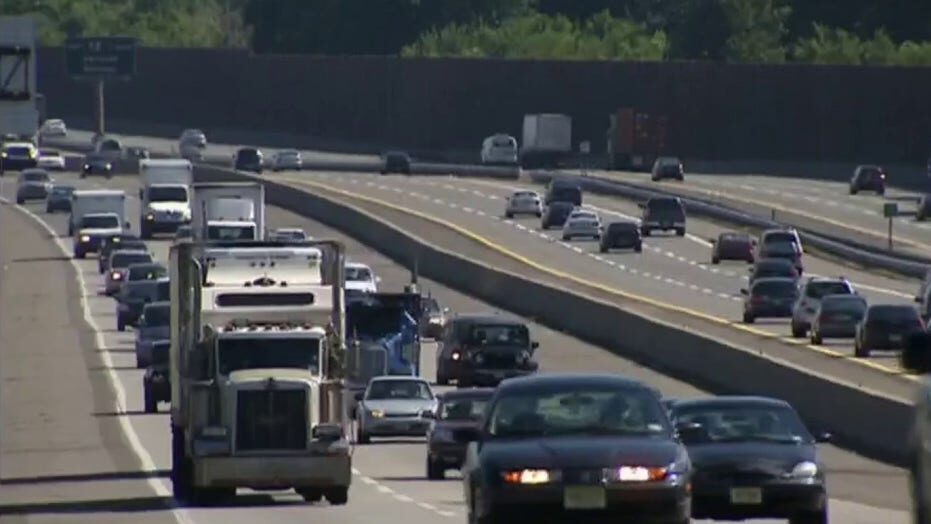
It marks the biggest six-month increase in traffic fatalities since the Fatality Analysis Reporting System started tracking the numbers in 1979.
Vehicle miles traveled jumped about 13% to 173.1 billion miles, which may explain some of the increase in traffic fatalities, but the DOT also said that "incidents of speeding and traveling without a seat belt remain higher than during pre-pandemic times."
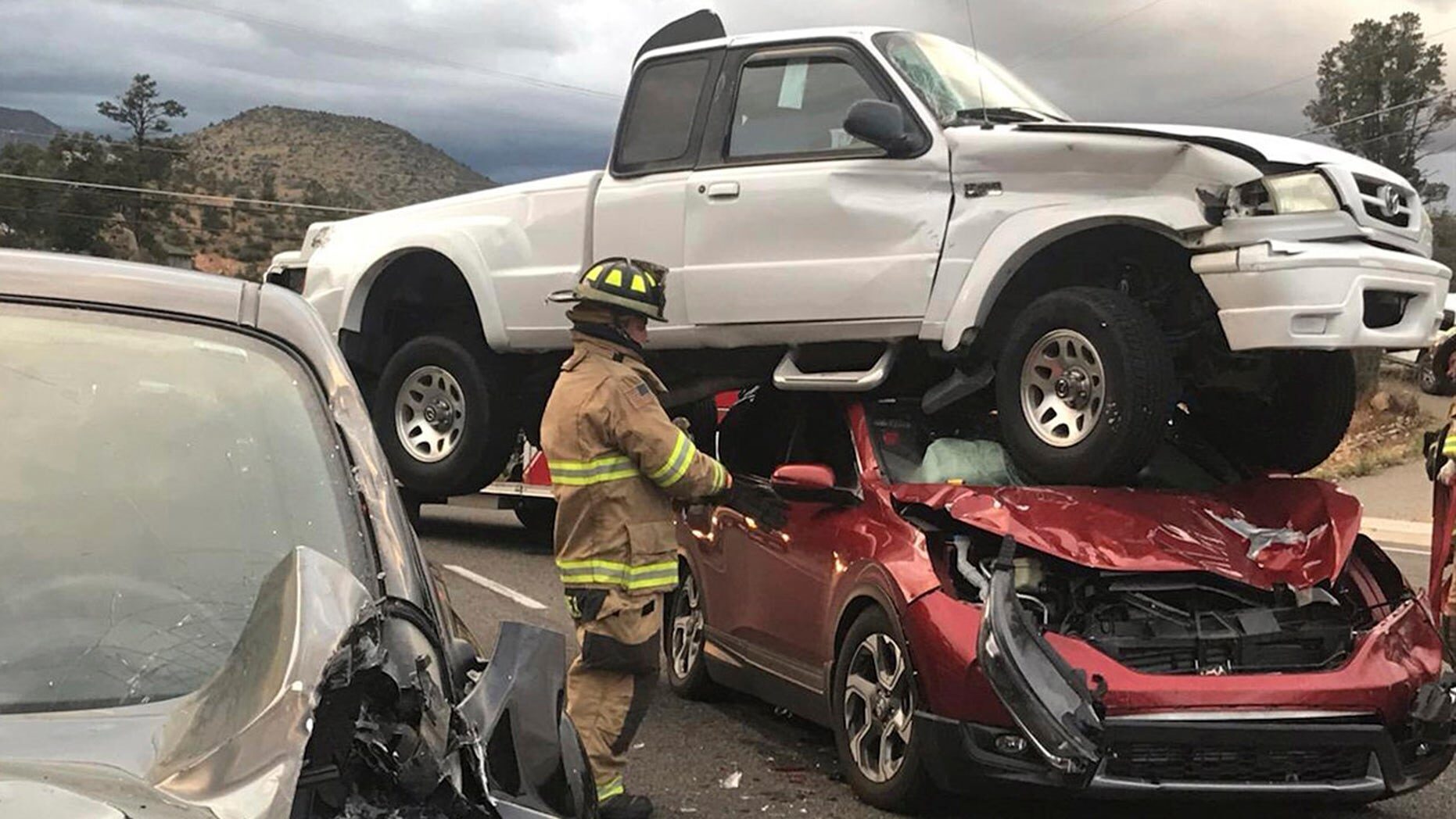
© Ralph Lucas/Prescott Fire Department via AP | Yavapai County SheriffIn this Sunday, Oct. 7, 2018 photo provided by the Prescott Fire Department, firefighters work the scene of an accident in Prescott, Ariz.
The National Highway Traffic Safety Administration found that driving patterns and behaviors have "changed significantly" since the coronavirus pandemic broke out in early 2020.
"Of the drivers who remained on the roads, some engaged in riskier behavior, including speeding, failure to wear seat belts and driving under the influence of alcohol or other drugs," the NHTSA's Office of Behavioral Safety Research wrote in a recently released report.
As speeds have increased, the severity of crashes has gotten worse.
"Ejection rates remained elevated compared to the same period in 2019," the NHTSA wrote. "The increase in severe injury rates observed throughout the latter part of 2020 is a disturbing trend that appears to have continued in 2021."
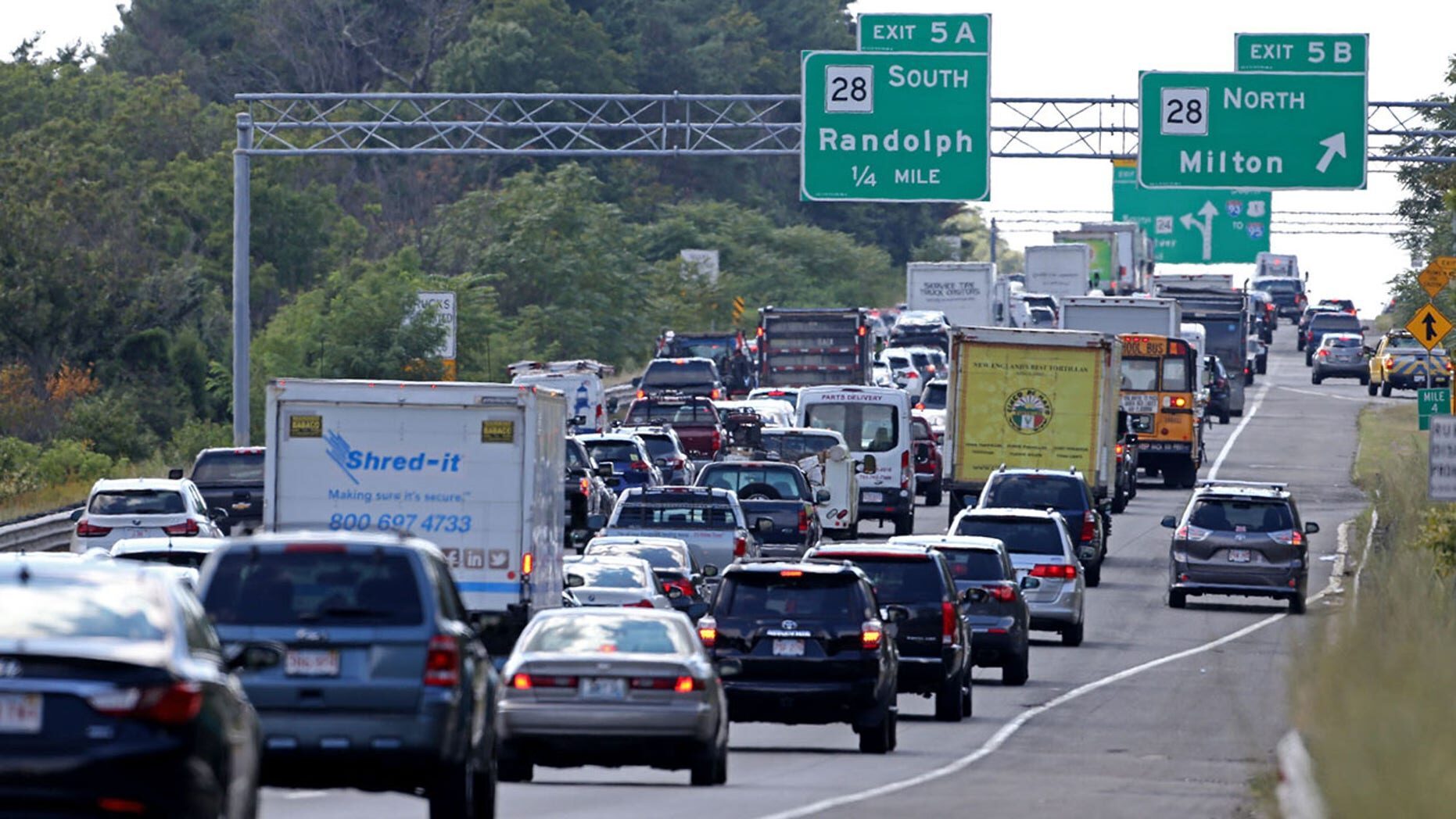
© Stuart Cahill/MediaNews Group/Boston HeraldTraffic along Route 128 prior to the Labor Day weekend in August 2019 in Boston.
An increase in alcohol and drug use while driving may also play a role. An NHTSA study found that the proportion of drivers with opioids in their system nearly doubled after March 2020, while the number of drivers testing positive for marijuana rose by about 50%.

© AP Photo/Andrew HarnikTransportation Secretary Pete Buttigieg announced a National Roadway Safety Strategy will be developed with the aim of cutting down on traffic fatalities.
"This is a crisis," Buttigieg said in a statement Thursday. "We cannot and should not accept these fatalities as simply a part of everyday life in America."










As re this bit of meaningless fluff, ' some engaged in riskier behavior, ' that statement can apply to the way folks get out of bed. Typical BFM.
R.C.