

© Unknown
According to Friedman, the rebuilding of Russia by nurturing human talent and strengthening the rule of law was too hard for Putin. By contrast, he decided to look for dignity for Russia, by developing oil industry and strengthening the Russian military."Putin has undertaken so many actions in recent years that contributed to the weakening of Russia's economy and human capital base that you have to wonder whether he's secretly on the C.I.A.'s payroll" , Friedman wrote.
Comment: Putin strengthened Russia beyond anybody's wildest dreams during his last 18 years in office. Fighting the Russian oligarchs initially, then successfully confronting the mighty Anglo-American Empire in Syria.
© Unknown
Friedman blamed Putin's authority among Russian citizens, saying "Putin consistently acts like a farmer who sells his most valuable beef in return for cubes of sugar. That is, he looks for short-term sugar highs to boost his popularity with his Russian nationalist base because he is insecure, and pays for it by giving up real beef, leaving Russia weaker in the long term".
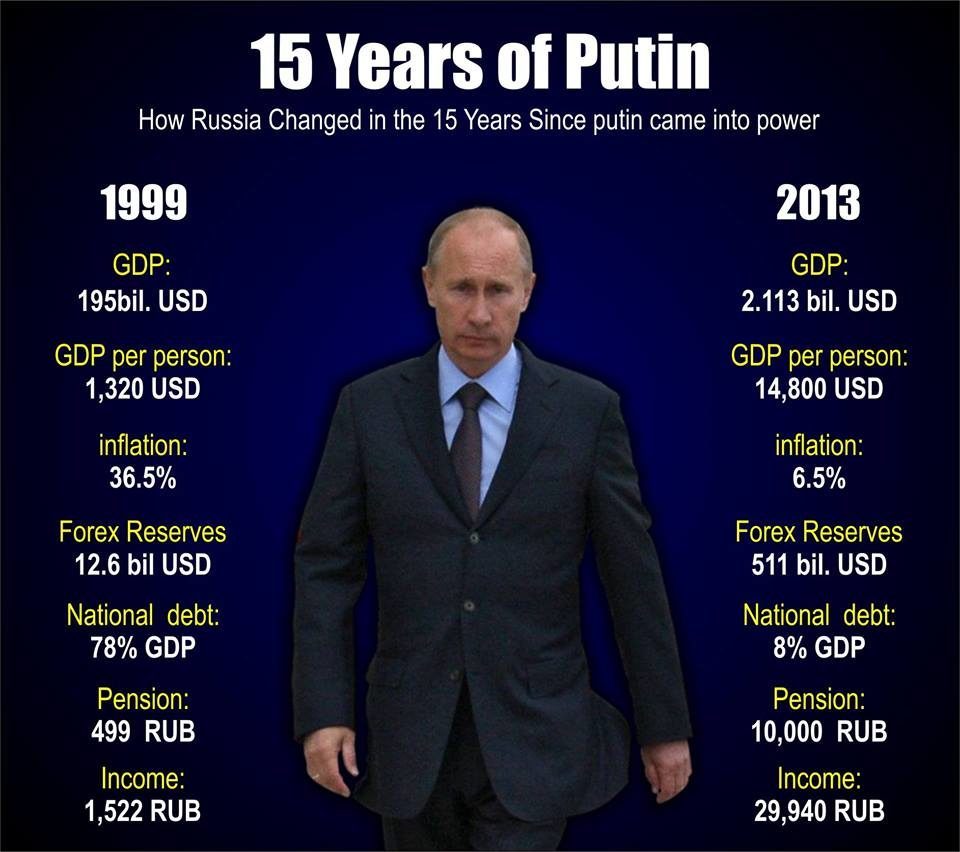
Comment: Putin has enjoyed consistent popularity well above that of most US presidents and has been elected for a fourth term. For reasons why, see the graphic above. There's no 'short-term sugar highs' in those numbers.
Presenting the bold speculations without any evidences, he brought up the crazy idea that "in 2014 Putin seized Crimea and invaded Eastern Ukraine with disguised Russian troops" to slow Russia's growth by imposed sanctions.
Comment: Sanctions did impact the Russian economy, but they were able to weather the difficulties and improved domestic production to successfully counter it. In fact, they considerably reduced their foreign debt, reduced their dependency on the US dollar by purchasing massive amounts of gold, promoted projects that counter petro-dollar hegemony, and improved their trade relations all over the world. See also:
- So much for economic sanctions: Russia's inflation rate lower than US'... for first time ever
- What sanctions? Russian-French trade continues to grow
- Sanctions backfire: Russian food exports to double, needs for imports drop dramatically
Friedman described Russia's "intervention" in Syria as "another short-term sugar high for his base."
"Putin sent advisers, Russian Air Force jets, special operations teams and surface-to-air missile batteries to Syria to prevent the toppling of Russia's Cold War ally, Syrian President Bashar al-Assad".
Comment: Russia was able to test all their advanced weapons in the campaign, destroy all of ISIS before they reached its territories, help Syria maintain its territorial integrity to some extent, and build relationships with regional powers. Russian companies will have major share of the business. These are not "short-term sugar highs".
The newspaper also blamed Russia in all "dead sins": the "Novichok" production, poisoning of the Russian ex-spy Sergei Skripal and his daughter in the UK, the creation of the cyberagent Guccifer 2.0, which hacked the National Committee of the Democratic Party in 2016.
Comment: Western reality scriptwriters have been trying to aggressively blame Putin and Russia for all their misdeeds for some time. There is no proof that Russia has anything to do with Skripal poisoning:
- British Government's Chemical Attack Narrative Falls Apart - Boris Johnson Lied About Russia
- UK contradicting itself in Skripal case, has provided no proof Russia is to blame - German official
- Skripal deception is replay of Iraq's phantom 'weapons of mass destruction' says ex-Pentagon official
- We Can Actively Assume That Skripal Was Poisoned by The British Government
Concluding, Friedman supposed that Putin did so many "foolish" actions to undermine and make weak Russian economics and its citizens.
What is Friedman target? He blames Russia and indeed Vladimir Putin. Obviously, Friedman wants to be bad as he regularly uses his column to blast US President Donald Trump or whoever else contracts his brand of New York Neoliberalism.

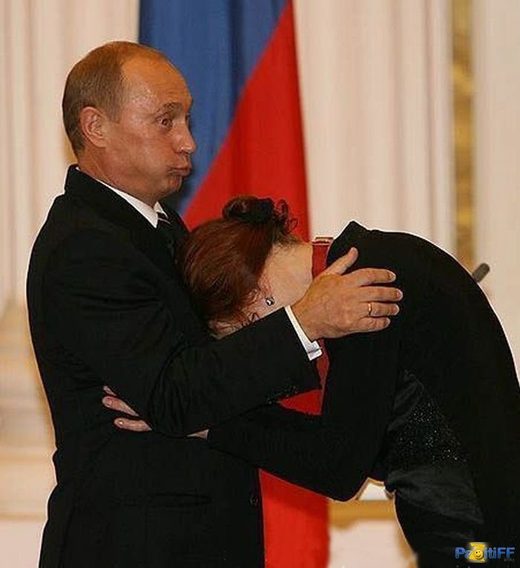
Comment: Another insane theory that tries to reconcile what Putin does and what the MSM says Putin does.