

© Chinese Cultural Relics
Ship Dates Back to Yuan Dynasty and Demonstrates Amazing Chinese Art
Even though China was dominated politically by the Mongols at the time, it was Chinese culture that prevailed. This is what the splendid art and artifacts discovered in the 21 meter-long (70 foot) wooden shipwreck clearly demonstrate. These include a bright-colored jar portraying a dragon and phoenix as Live Science reports.
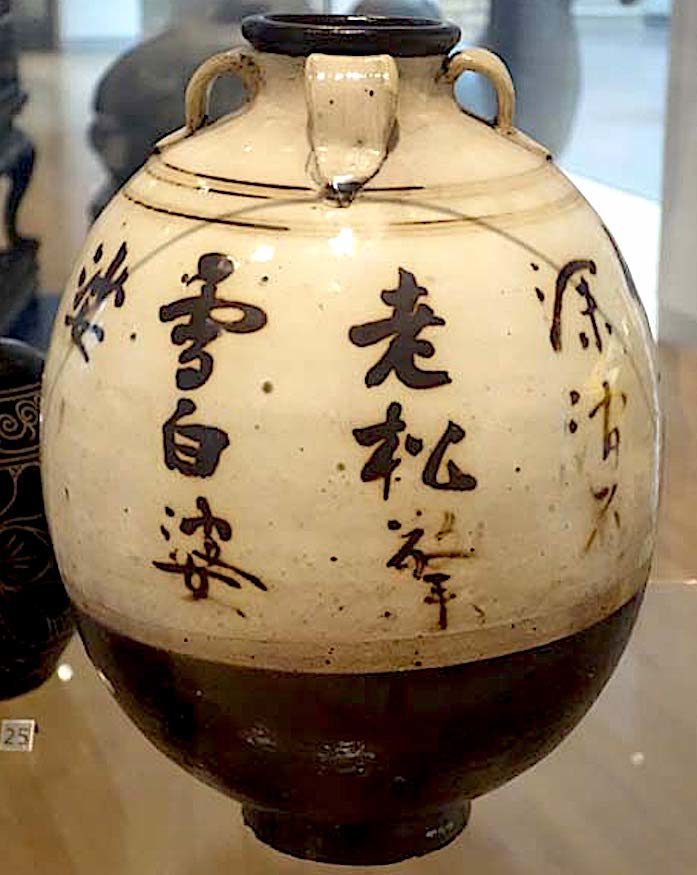
Yuan Dynasty Relic
Important Religious Figurines Found Inside the Ship
In the cabin that was used as a shrine, archaeologists found a religious burner and stone-carved figurines as Live Science reports. Carved out of agalmatolite stone, one of the figurines is 8.2 centimeters (about 3.2 inches) in height, and depicts a tiger sitting beside an "arhat" - an individual who in Buddhist belief has attained enlightenment. Another figurine portraying a dragon on the left side of an "arhat," was also found in the cabin. Carved out of agalmatolite stone as well, this figurine is slightly taller at 8.5 centimeters (about 3.3 inches), while the arhat is holding an alms bowl in his left hand.
"More than 100 artifacts were unearthed from both inside the shipwreck and its surrounding area, including artifacts of porcelain, pottery, lacquerware, jade, stone, iron, bronze and gold," the archaeologists wrote in the journal article.
For more on this article, go here.



Reader Comments