
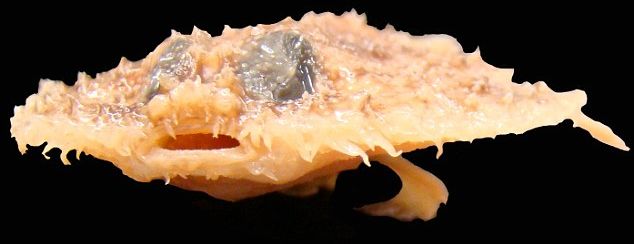
Strolling along: The hopping pancake batfish, discovered in the Gulf of Mexico, moves like a walking bat on its arm-like fins
The creature is one of ten 'new species' to have made it onto a list of weird and wonderful creatures published today.
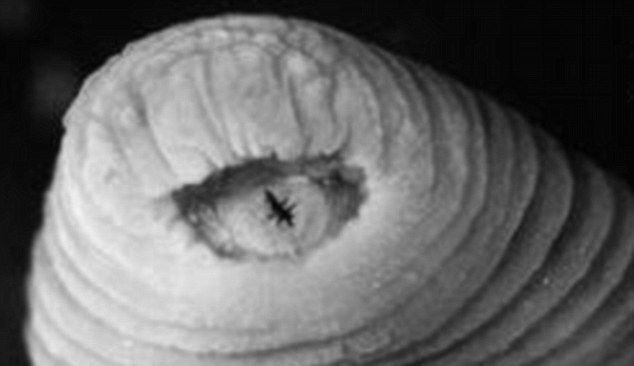
Fearsome leech: Tyrannobdella rex has a mouthful of gigantic teeth, much like its namesake, the 'king of dinosaurs' Tyrannosaurus rex. It was found up the nose of a nine-year-old girl in Peru
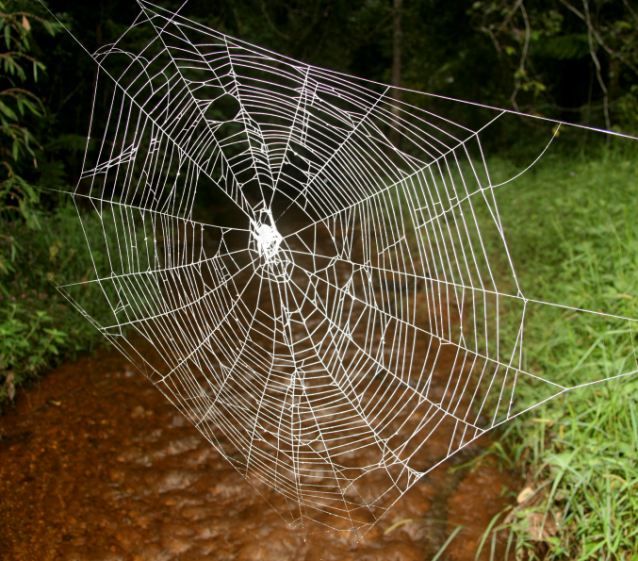
This new species of orb-weaver spider - found in Madagascar - is able to weave webs large enough to span rivers and lakes

© Robert A. CoffanAmong the new plant life identified was this underwater gilled mushroom - found in a river in Oregon, U.S.
There is also a jumping cockroach, a cricket which is the only pollinator of a rare orchid, a spider that weaves webs large enough to span rivers and lakes, and a gilled mushroom that fruits underwater.
Experts made the selection from thousands of plants, animals and microbes described for the first time last year to draw attention to the importance of conserving life on Earth.
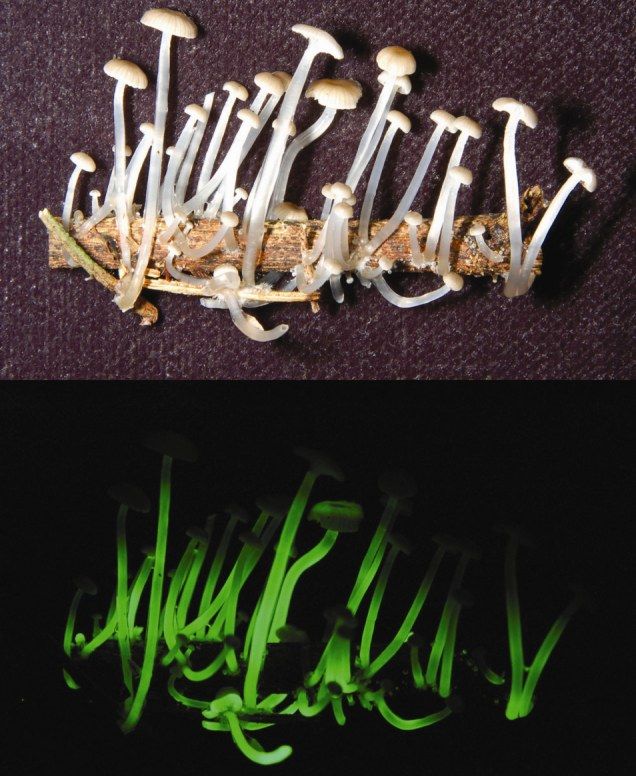
'Beautiful': This luminescent fungus - found in Sao Paulo, Brazil - attracts small insects that help to disperse its spores
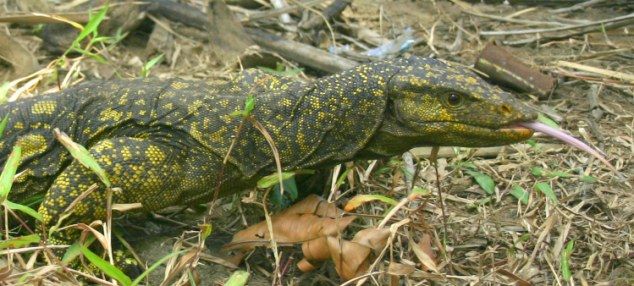
This 6ft-long fruit-eating monitor lizard from the Philippines is on a list of 10 new species drawn up by scientists
A somewhat more attractive example of a new species is the striking fruit-eating monitor lizard, Varanus bitatawa, from Luzon Island in The Philippines.
At 6ft 6in in length, it has a blue-black body mottled with pale yellow-green dots and spends most of its time in trees.
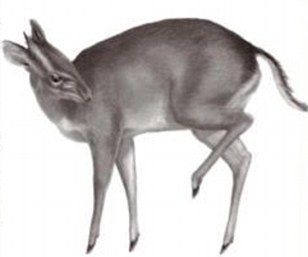
Another large species on the top 10 list is Walter's duiker, Philantomba walteri, an antelope first encountered at a bushmeat market in West Africa
At the other end of the size scale is an iron-eating bacterium found growing on the submerged wreck of the Titanic. Halomonas titanicae could provide a useful function in helping to dispose of sunken ships and oil rigs.
The list was compiled by experts at the International Institute for Species Exploration, based in Arizona State University in the U.S.
Its director, Dr Quentin Wheeler, said: 'At the same time that astronomers search for Earth-like planets in visible space, taxonomists are busily exploring the life forms of the most Earth-like planet of all, our own.
'We can only realistically aspire to sustainable biodiversity if we first learn what species exist to begin with.
'Our best guess is that all species discovered since 1758 represent less than 20 per cent of the kinds of plants and animals inhabiting planet Earth.
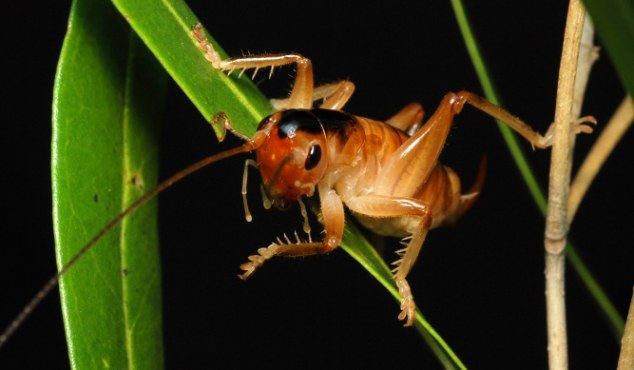
This cricket - found in the Mascarene Archipelago in the Indian Ocean - is the only known pollinator of a rare orchid
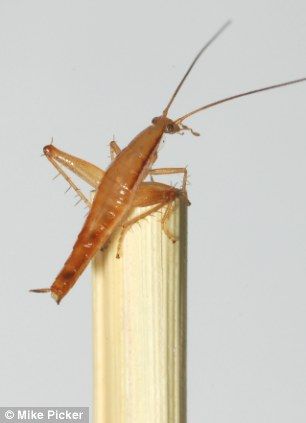
This cockroach- found in the Mountain National Park in South Africa - has modified legs that puts it on par with grasshoppers
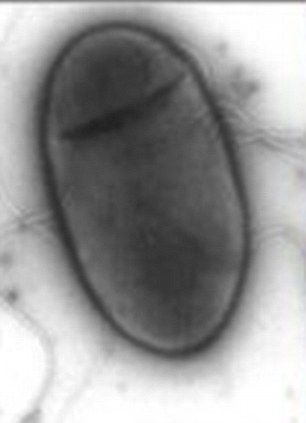
This rust-eating bacterium recycles sunken human creations so that the constituents can be used by other creatures
Details of the top 10 species of 2010 were published on Arizona State University's website on the 304th anniversary of the birth of Swedish botanist Carolus Linnaeus.
Linnaeus pioneered the system of plant and animal classifications and names which is still used today.
Dr Mary James, from Wichita State University in the U.S., who chaired the international committee which drew up the list, said: 'Each of these amazing species discoveries tells a story about our planet.
'They are pieces of the puzzle that help us to understand how all of the components of life on earth work together.
'That beautiful, luminescent mushroom: its all-day glow attracts small insects that help to disperse the mushroom's spores.
'The rust-eating bacterium: it recycles even the most titanic of human creations so that the constituents can be used by other creatures.
'I think that the top 10 species helps to bring attention to the pieces of the puzzle that are still waiting to be discovered, whether it's in your own backyard, a health clinic in Peru, in the deep ocean, or a market in West Africa.
'Biodiversity science is all about exploration and discovery - cool stuff.'



...a jumping cockroach and a nose-burrowing toothy leech?!?! Those gave me enough heebie-jeebies for the next 6 months.