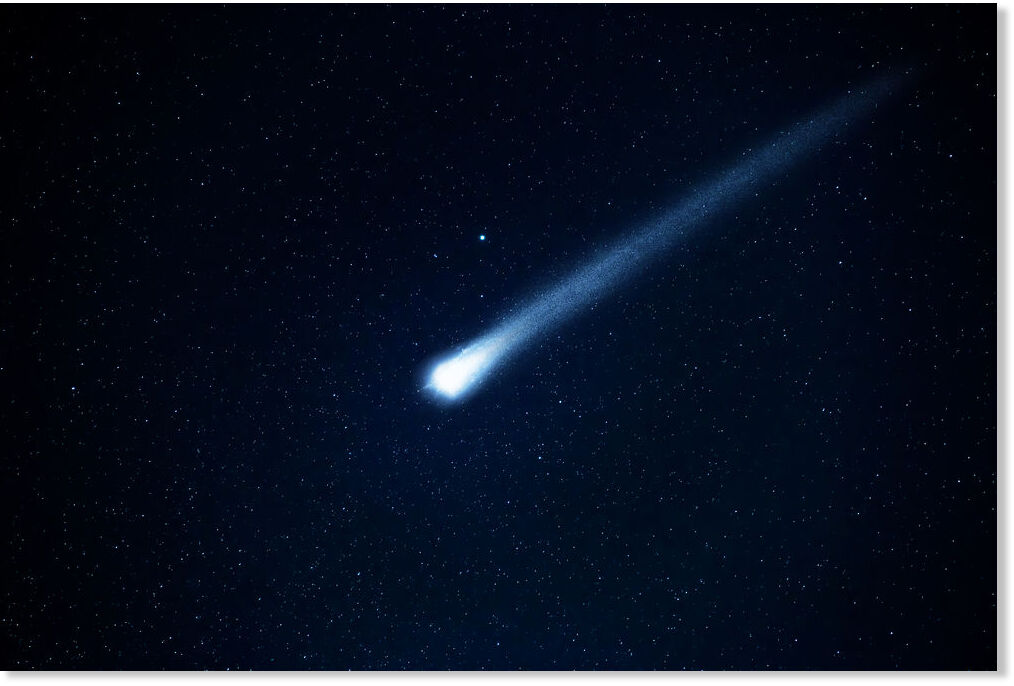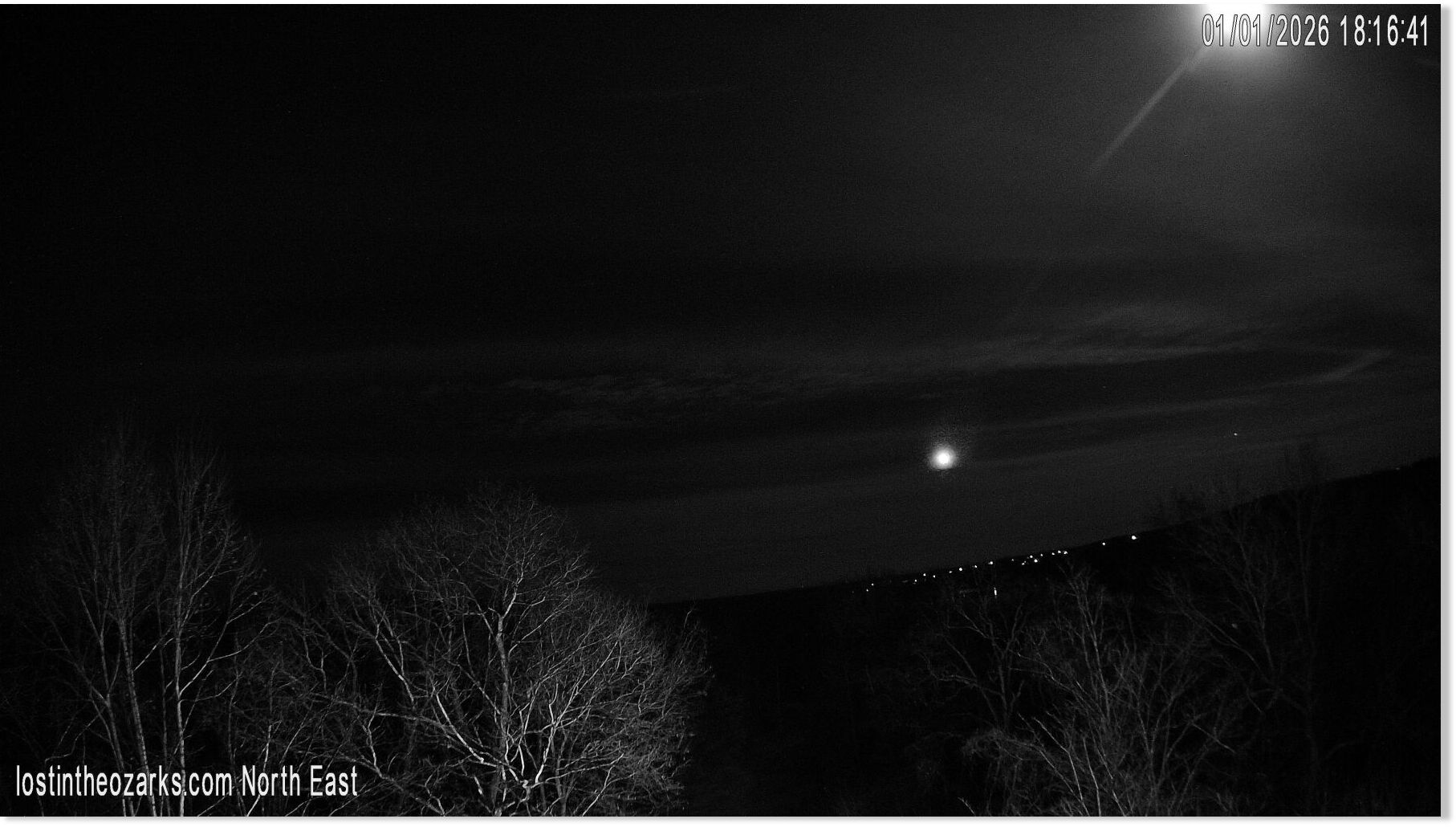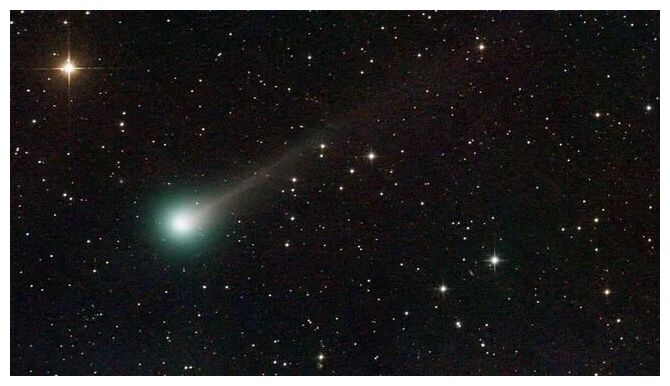
© Dimitrios Katevainis, CC BY-SA 4.0Researchers say they may have already spotted the "Great Comet of 2026," dubbed C/2025 R3 (Pan-STARRS). It could shine as brightly as Comet Lemmon (photographed above), which passed us by in October last year.
Scientists discovered the incoming comet, dubbed C/2025 R3 (PanSTARRS), on Sept. 8, 2025, in images captured by the Panoramic Survey Telescope and Rapid Response System (Pan-STARRS) — a pair of 5.9-foot (1.8 meters) reflector telescopes located on the summit of Hawaii's Haleakalā volcano. It is currently around 216 million miles (348 million kilometers) from Earth, around halfway between the orbits of Jupiter and Mars, according to TheSkyLive.com.
C/2025 R3 is a long-period comet, meaning it likely takes more than 1,000 years to orbit the sun, and probably originates from the Oort cloud — a giant reservoir of comets and other icy objects near the edge of the solar system. Astronomers have yet to narrow down the comet's orbital pathway, so they do not know how long the ice ball takes to circle our home star. But similar discoveries in recent years have revealed comets that have not passed by Earth for tens of thousands of years.
C/2025 R3 is currently speeding toward the sun and will reach perihelion — its closest point to our home star — on April 20. It will come within 47.4 million miles (76.3 million km) of the sun, which is somewhere between the orbits of Mercury and Venus.
Just one week later, on April 27, the comet will make its closest approach to Earth, coming within 44 million miles (70.8 million km) of our planet, which is more than 180 times farther from us than the moon is.
Astronomers don't yet know how brightly the comet will shine during its solar flyby, Live Science's sister site Space.com recently reported. Some researchers have predicted that it will reach an apparent magnitude of 8, meaning it would be visible only via a decent telescope or pair of stargazing binoculars. But others estimate that it could reach magnitude 2.5, which would make it clearly visible to the naked eye. (Apparent magnitude is measured on a reverse logarithmic scale, meaning a lower number equates to a greater brightness.)