
© The Right Planet
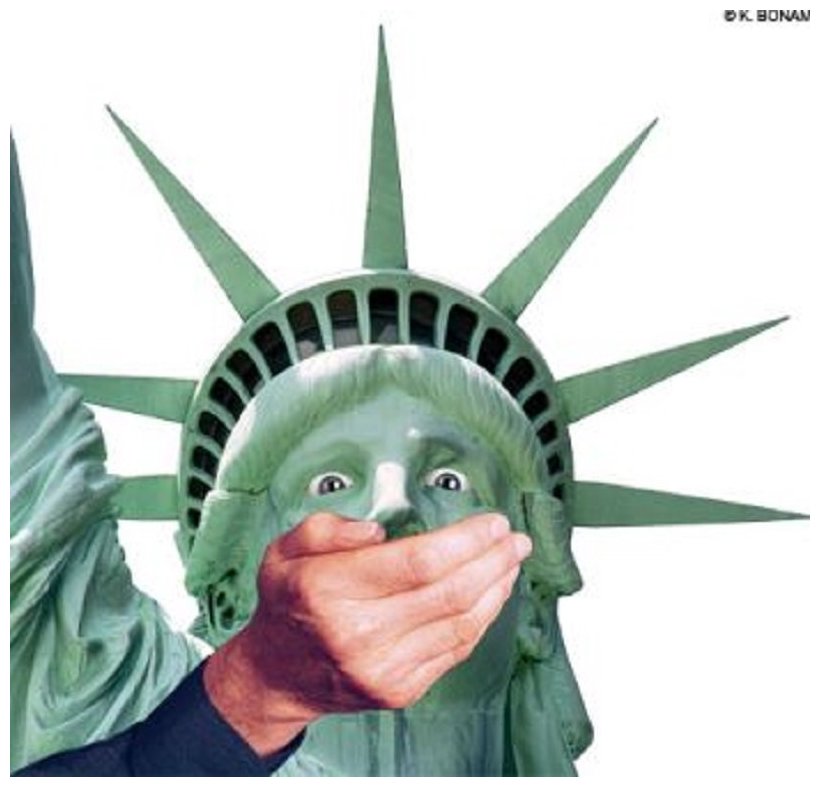
Climate change happens to be the subject of their action, but the topic is irrelevant.
As President Harry Truman, himself a Democrat, said, "Once a government is committed to the principle of silencing the voice of opposition, it has only one way to go, and that is down the path of increasingly repressive measures, until it becomes a source of terror to all its citizens and creates a country where everyone lives in fear."
That path of repressive measures has already been blazed. Seventeen attorneys general representing fifteen states, the District of Columbia and the U.S. Virgin Islands formed "AGs United for Clean Power" and are threatening legal action and huge fines against anyone who declines to believe in a scientific theory which remains in dispute among respected scientists.
The Daily Signal reports, "This comes on top of U.S. Attorney General Loretta Lynch admitting that the Justice Department is discussing the possibility of pursing civil actions against climate change deniers, and that she has already referred it to the FBI to consider whether or not it meets the criteria for which federal law enforcement could take action."

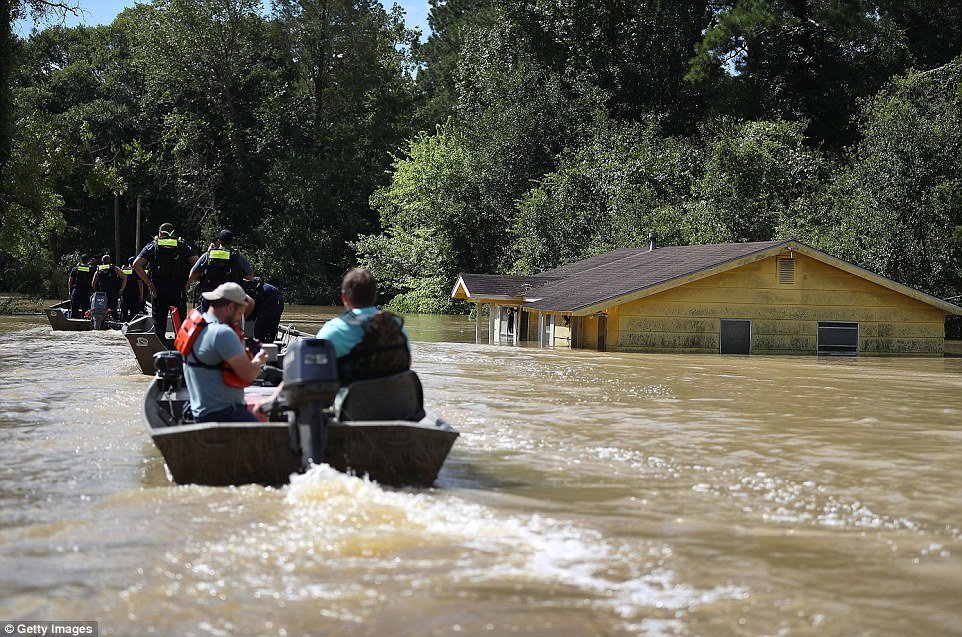

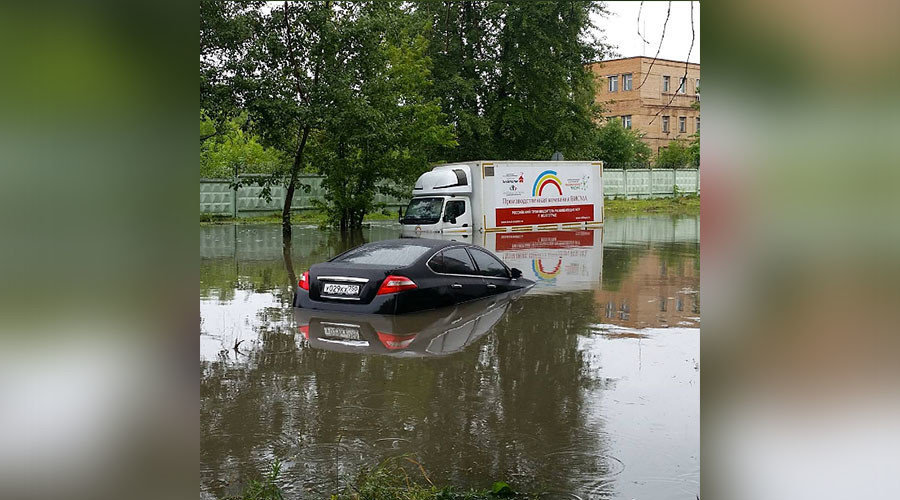
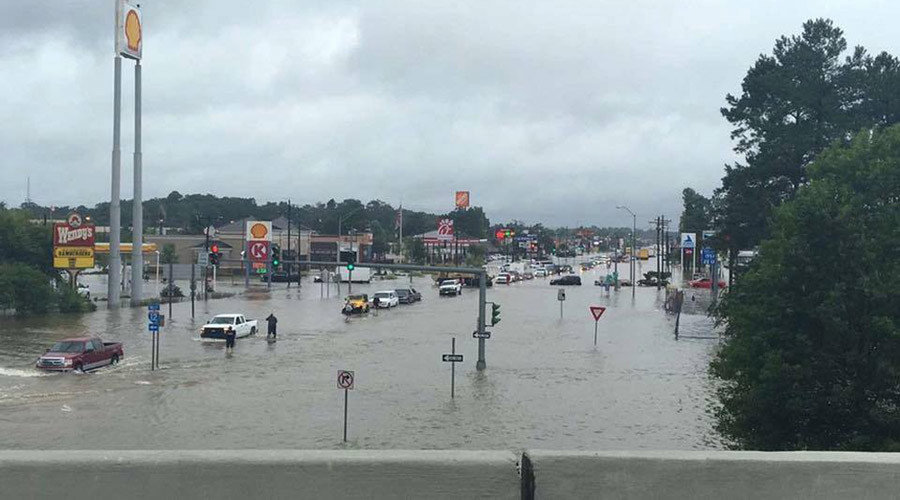
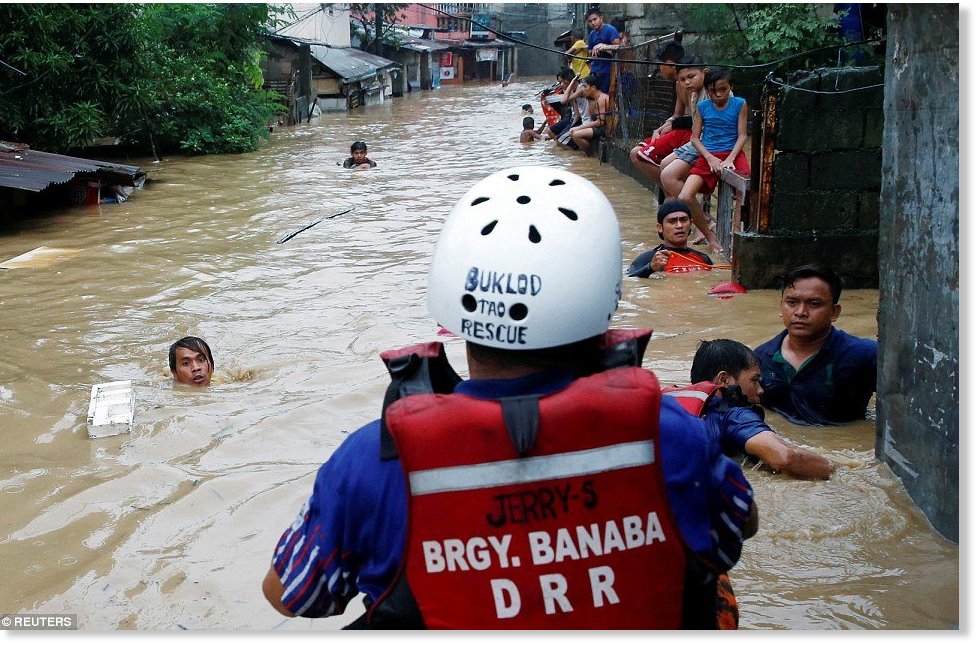
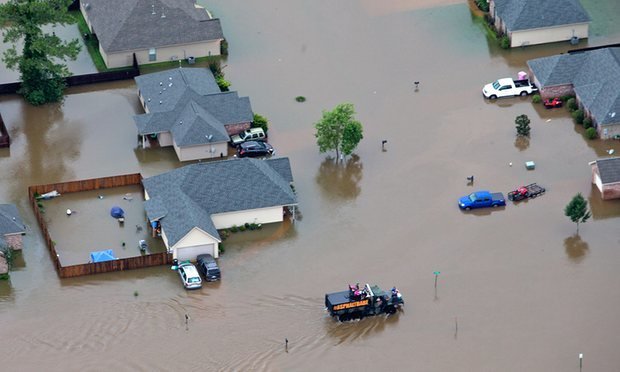

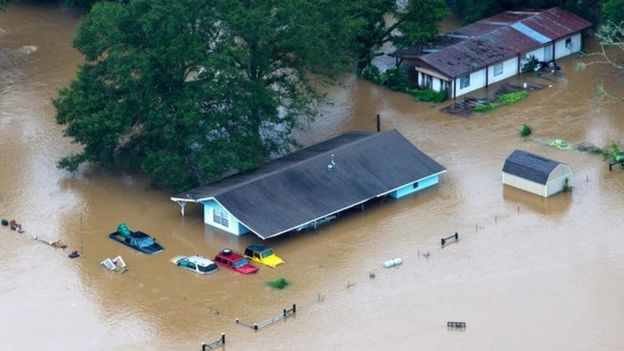
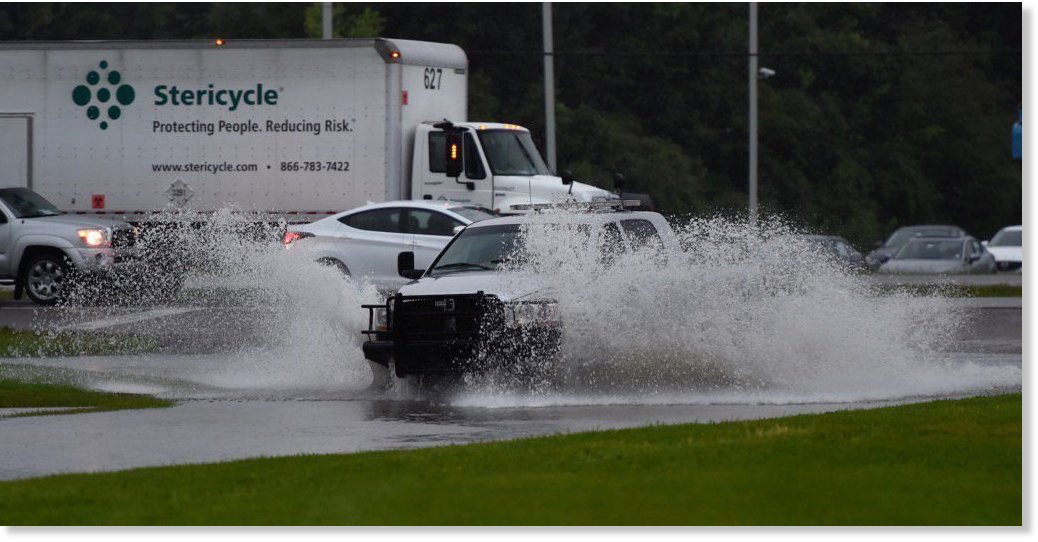



Comment: Governor Edwards declared a state of emergency over the weekend, calling the floods 'unprecedented' and 'historic'. Some other 'historic' flooding in the United States in recent times include:
June 2016: 23 deaths as West Virginia swamped
March 2016: more 'historic' flooding in the southern states
January 2016: massive flooding and mudslides in southern California
November 2015: record rainfall in Texas
October 2015: "once-in-a-thousand-year" flash flooding in South Carolina