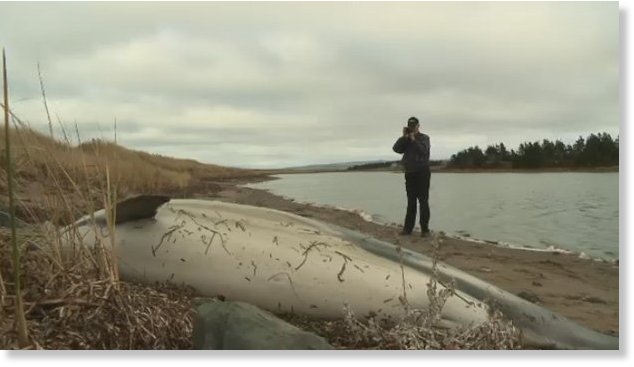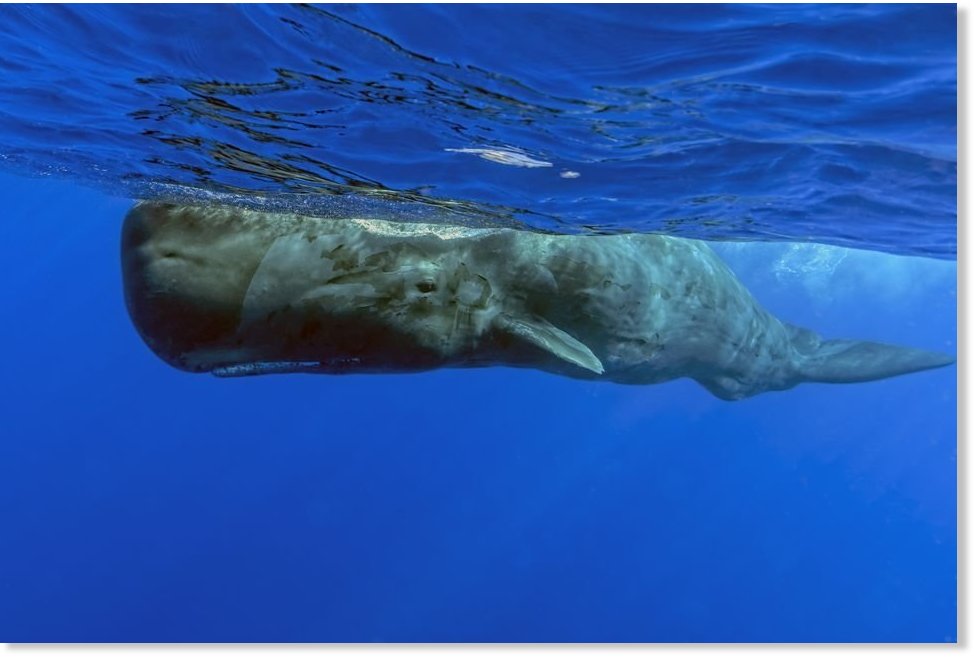
A dead sperm whale was found on the beach on San Jose Island on Monday, Nov. 21, according to Tony Amos, Port Aransas coordinator with the Texas Marine Mammal Stranding Network.
No cause of death has been determined, said Amos, who also is director of the Animal Rehabilitation Keep and research fellow with the University of Texas Marine Science Institute. Samples were taken from the whale's body for analysis.
Today (Tuesday, Nov. 22), the 28-foot-long whale's body still is lying in shallow water not far from shore, slightly more than one mile north of the north jetty. It's unclear whether efforts will be made to dispose of the carcass, which weighs many tons, Amos said.
Amos cautioned that folks shouldn't touch or even get close to the whale's body. It could carry diseases, and a wave could push the huge carcass onto someone who gets too close, he said.
In addition, under the Marine Mammal Protection Act, it is against the law to touch sperm whales even after they're dead, Amos said.
Robert Lange of Pictou County snaps a photo of a dolphin that washed up along the shoreline in Big Island, N.S. on Sunday, Nov. 20, 2016.
Another dead dolphin has washed up along the shoreline in Big Island, N.S. - the third in the last four days.
Robert Lange says he was driving home last week when he noticed a pod of dolphins splashing in the Merigomish Harbour.
"The dolphins were swimming very close to shore here and when I stopped and looked closer with the binoculars, there was a pod of maybe a dozen or more swimming very close together," said Lange. "The fins were all out of the water and the tide was very low with the supermoon."
Robert Lange of Pictou County snaps a photo of a dolphin that washed up along the shoreline in Big Island, N.S. on Sunday, Nov. 20, 2016.
One of the animals died that night and another washed ashore the next morning.
The dolphins appear to be trapped by geography. At one end, Merigomish Harbour has a wide opening between Big Island and the Mainland, but it narrows significantly and closes at the other end.
"We assume that these ones were probably chasing a school of fish, and got up here and got out of the channel and into the shallow water and couldn't get back," said Lange.
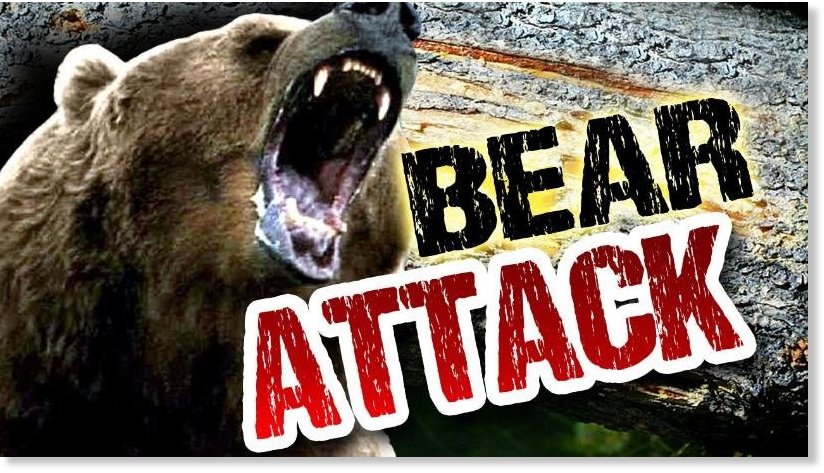
A grizzly bear mauled a Montana hunter Sunday morning in a surprise encounter 15 miles west of Choteau, according to Montana Fish, Wildlife and Parks.
The man was in an elk hunting party on a creek bottom on private property near the Ear Mountain Wildlife Management Area on the Rocky Mountain Front, said Capt. Dave Holland, FWP's head game warden in Great Falls-based Region 4.
He was mauled at about 9 a.m. by a female grizzly with two cubs, he said.
"It appears the sow was protecting her cubs at this point," Holland said late Sunday afternoon.
Aibillie Elijassiapik was out hunting seals near Inukjuak, Que., when he noticed his catch had an abnormally protruding belly.
He assumed the seal was pregnant, and pregnant it was — but what he found in its womb was what he called, in Inuktitut, a total surprise.
He began to skin the ringed seal — a normal hunting procedure. That quickly took an unexpected turn.
"I noticed in the uterus two sets of flippers, so I was expecting to pull out two seal pups," said Elijassiapik, who said it's rare for a seal to give birth to two seal pups.
"In fact, it was only one conjoined seal pup at the head."
Elijassiapik, who has been hunting since his father taught him at a young age, said he has never seen anything like it.
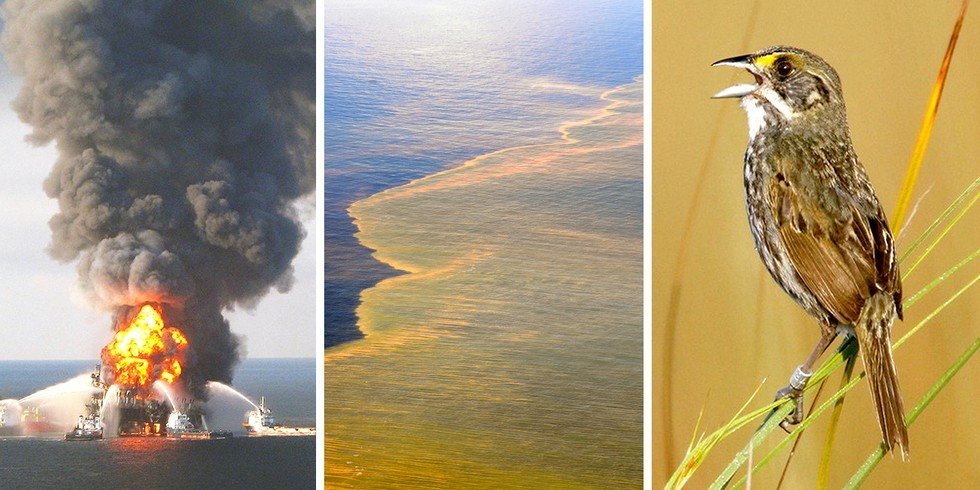
Seaside sparrows show signs of BP Deepwater Horizon oil.
Researchers in Louisiana have found carbon from the BP Deepwater Horizon oil spill in the feathers and digestive tracts of seaside sparrows, proving for the first time that oil from the disastrous 2010 spill has entered the food chain.
The study, published today in Environmental Research Letters, was conducted by scientists from Louisiana State University and Austin Peay State University in Tennessee. They found oil carbon signatures consistent with the Deepwater Horizon event in each of 10 birds tested.
These marsh-dwelling sparrows inhabit an area known to have been contaminated by the spill. Sediments from the site also tested positive for oil with the same fingerprints as that found in the tested birds.
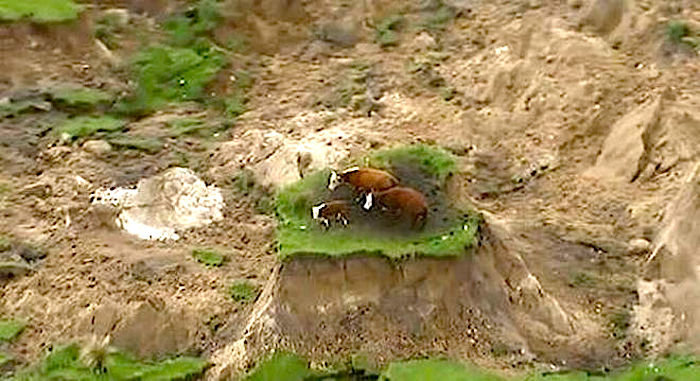
Three New Zealand cows whose predicament captured the interest of many people around the world after they became stranded on a small island of grass following a powerful earthquake have been rescued.
The Newshub news service reported Tuesday that the two cows and a calf were rescued after a farmer and some helpers dug a track to them and brought them out.
Newshub first filmed the cows stuck on the patch of grass near the township of Kaikoura after the magnitude 7.8 quake triggered landslides around them.
The farmer, who was not named by Newshub, said the cows were desperate for water after they were rescued. He said the quake fault line ran right beneath his farm, which had been relatively flat before the earthquake.
New Zealand's 10 million cattle easily outnumber its 4.7 million people.
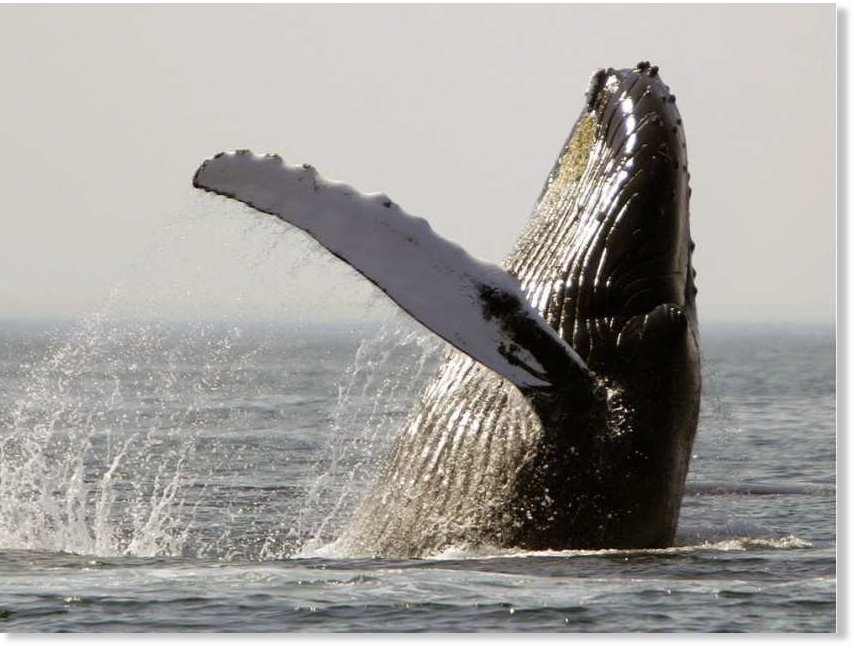
A fish farming company is reporting that a humpback whale was found dead this week, after being entangled in an anchor support line at one of its empty fish farms in Sheep Passage near Klemtu, B.C.
According to a statement from Marine Harvest Canada, the whale was discovered when staff were taking the system apart on Tuesday. The company said another whale was caught in a similar situation in September, but was safely untangled.
Fisheries and Oceans Canada has been notified and the incident is being investigated.
Marine Harvest Canada, which is based in Campbell River, said it is now looking at similar aquaculture sites to prevent future entanglements from occurring.
Despite his efforts, Robert Lange of Big Island wasn’t able to help this common dolphin, which died on Wednesday after getting stranded in shallow water.
Two dolphins found dead on Big Island may have feeding close to shore when the tide dropped, said Andrew Reid of the Marine Animal Response Society.
Big Island resident Robert Lange was returning home from New Glasgow on Wednesday when he saw what he thought was geese in the water.
"Looking through binoculars, I realized it was dolphins and some were coming very close to the Big Island causeway. They were churning up the water as the tide was low, and the dorsal fins were all above the water," he said.
Lange said a few minutes later a small group of the mammals came along the roadway and one swam the wrong way, beaching itself in shallow water.
"It was thrashing around trying to get back to deeper water," he said.
By the time he got to the water's edge, sadly, it was too late.
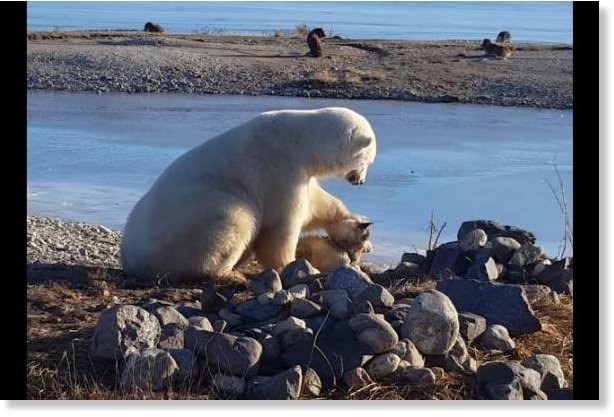
A tour guide in Canada discovered that man's best friend has pals elsewhere in the animal kingdom when he captured video of a polar bear petting a dog.
David De Meulles said he was taking a pair of North Star Tours clients on a polar bear watching expedition during the weekend in Churchill, Manitoba, when the group witnessed the meeting between the bear and dog, which was tethered on its owner's property.
"I had no idea what was going to happen, and then sure enough he started petting that dog, acted like he was a friend," De Meulles told CBC News. "I just so happen to catch a video of a lifetime."
The video shows the polar bear gently stroking the dog's fur while the two animals enjoy a snuggle.
"I've known the bears to have somewhat friendly behavior with the dogs, but for a bear to pet like a human would pet a dog is just mind-blowing," De Meulles said. "It was a beautiful sight to see, and I just can't believe an animal that big would show that kind of heart toward another animal."
Comment: See also: Two dolphins dead after stranding in Nova Scotia, Canada