Plagues
S


Health

MERS virus resurfaces in Florida, health workers isolated

Dr. Phillips Hospital
© Wikimedia CommonsDr. Phillips Hospital, Orlando metropolitan area
Two hospital workers, who were not wearing masks, were exposed to the highly deadly virus MERS recently after the patient passed through two hospitals, including Dr. Phillips Hospital.

At least one of the workers has been put into isolation and is being monitored closely as MERS has a rather long 5-day incubation period.

Other reports state that a second worker was also exposed to the infected patient as well and is being now isolated inside his residence by authorities.

Fox News reported:

Hospital officials said the MERS patient, who works in a hospital in Jeddah, Saudi Arabia, is doing well and currently has a low-grade fever and a slight cough.

Attention

MERS virus hype: Have we been down this road before?

MERS virus
© unknown
We are told the first MERS virus case has now arrived in the US. The CDC and the World Health Organization have a new potential pandemic to hype.

As I've documented in past articles, we've been down this road before. Swine Flu, West Nile, Bird Flu, SARS. All duds. All hyped to the sky...and then the case numbers are miniscule.

You could take all the deaths from these "epidemics" and put them in one small footnote of the assessment that, every year, between 300,000 and 500,000 people around the world die from ordinary regular seasonal flu.

Yes, seasonal flu, about which there is no hype.

But even, you see, with regular seasonal flu, there are gigantic lies.

Health

First MERS virus case confirmed in the U.S.

mers virus
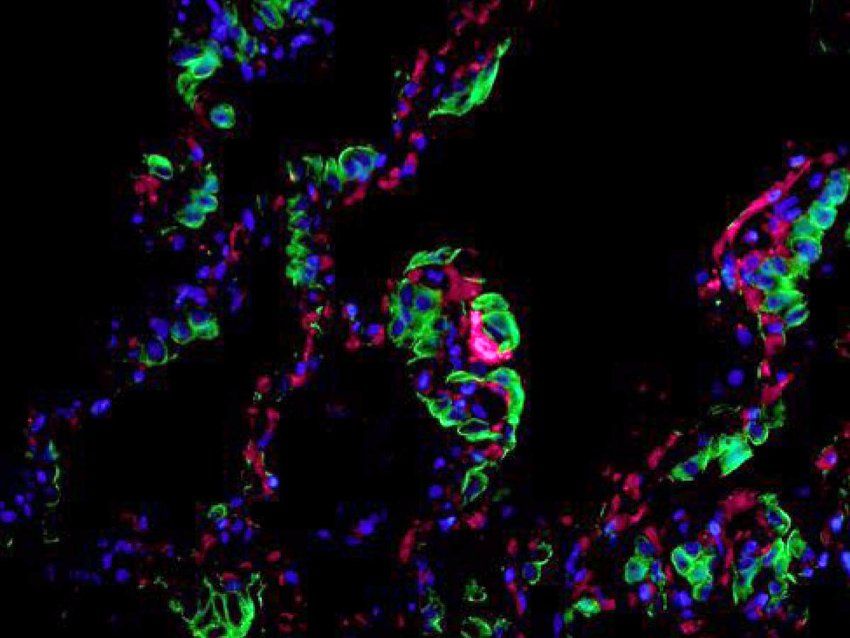
© NIAID/ RMLMERS virus
Health officials on Friday confirmed the first case of an American infected with a mysterious Middle East virus. The man fell ill after arriving in the U.S. last week from Saudi Arabia where he was a health care worker.

The man is hospitalized in stable condition in northwest Indiana with Middle East respiratory syndrome, or MERS, according to the Centers for Disease Control and Prevention, which is investigating the case along with Indiana health officials.

The virus is not highly contagious and this case "represents a very low risk to the broader, general public," Dr. Anne Schuchat told reporters during a CDC briefing.

The federal agency plans to track down passengers he may have been in close contact with during his travels; it was not clear how many people may have been exposed to the virus.

Health

Rise in the number of MERS virus cases causes concern at the CDC and WHO

arabian health care workers
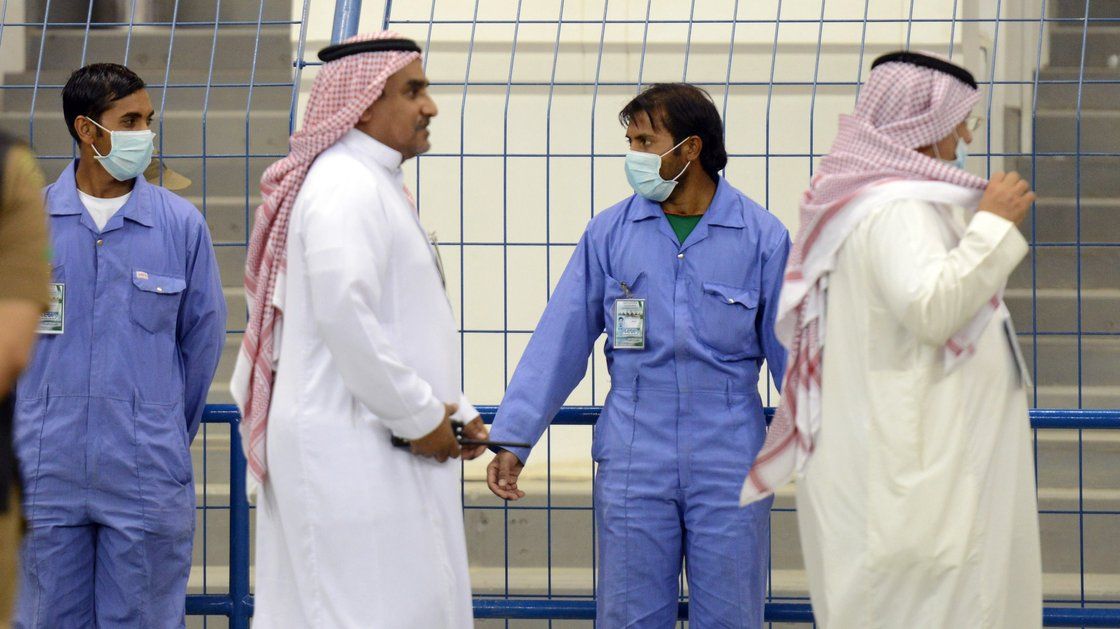
© Fayez Nureldine/AFP/Getty ImagesFearful of catching the MERS virus, workers wear masks during a soccer match on April 22 at King Fahad stadium in Riyadh
The latest medical acronym to fear is MERS: Middle East Respiratory Syndrome. The virus has killed 83 people in the Arabian Gulf since first emerging in 2012 and now looks as if it could pose a global threat.

This week, the number of new cases rose at a rate that causes concern, the World Health Organization said in a .

There have been only about 300 cases detected worldwide in the past two years. But Saudi Arabia has reported more than 50 in just four days. Cases also turned up in Greece, the Philippines, Malaysia and Jordan. All of the patients were exposed to the virus in the Gulf.

There's no treatment or vaccine for , which kills about 30 percent of those who are infected.

The disease hits like a severe flu. Symptoms include fever, coughing and shortness of breath. Most people who die have another medical condition. It's also possible for someone to become infected but show no symptoms.

Attention

Unprecedented plagues hit oranges and bananas

oranges
© unknown
What is causing all of these plagues to hit our food supply? Have you heard of citrus greening disease? Probably not, but it has already gotten so bad that it is being projected that Florida's orange harvest will be the smallest in 30 years. Have you heard of TR4? Probably not, but it has become such a nightmare that some analysts believe that it could eventually wipe out the entire global supply of the type of bananas that Americans eat. In addition, another major plague is killing millions of our pigs, and a crippling drought that never seems to end is absolutely devastating agricultural production in the state of California. Are we just having bad luck, or is there something else to all of this?

Citrus greening disease has been a steadily growing problem that has reached epidemic levels this year. Because of this disease, the U.S. Department of Agriculture is projecting that orange production in the U.S. this year will be down 18 percent compared to last year. Here is more on this horrible plague from Yahoo News...
A citrus disease spread by a tiny insect has devastated Florida's orange crop, which is expected to be the worst in nearly 30 years, and sent juice prices soaring on New York markets.

The culprit? The gnat-sized Asian citrus psyllid, which is infecting citrus trees across the Sunshine State with huanglongbing, or citrus greening disease, which causes fruit to taste bitter and fall from trees too soon.

"It feels we are losing the fight," said Ellis Hunt, the head of a family-run citrus farm spread over about 5,000 acres (2,000 hectares) in the central Florida town of Lake Wales.

2 + 2 = 4

Study: antibiotic-resistant MRSA 'Superbug' found in US homes

Image
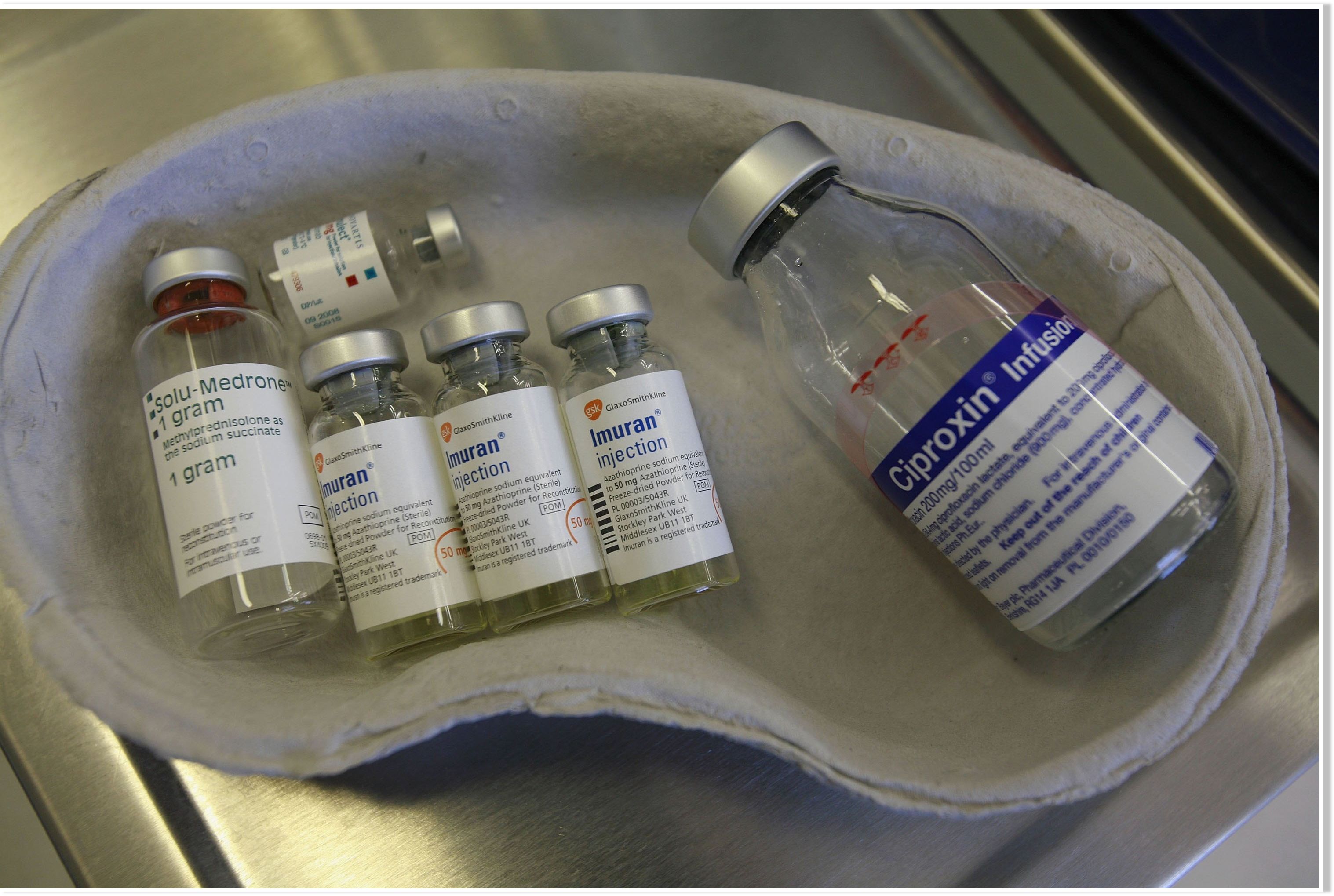
© Photo by Christopher Furlong/Getty ImagesMethicillin-resistant Staphylococcus aureus (MRSA) is a bacteria that is resistant to many of the strongest antibiotics, and although recent prevalence has been limited to hospitals and nursing homes, a new study of 161 New York City residents who contracted the MRSA infections finds that the these people’s homes were “major reservoirs” for the bacteria strains.
An anti-biotic resistant "superbug" that has long affected hospitals and other health care locations around the world has now found a new "reservoir" location: inside U.S. homes.

Methicillin-resistant Staphylococcus aureus (MRSA) is a bacteria that is resistant to many of the strongest antibiotics, and although recent prevalence has been limited to hospitals and nursing homes, a new study of 161 New York City residents who contracted the MRSA infections finds that the these people's homes were "major reservoirs" for the bacteria strains, HealthDay reports.

Whistle

Scientists identify a new variant of Ebola virus in Guinea

ebola lab
© Inserm / Guénet FrançoisThis image shows Jean Mérieux-Inserm BSL-4 Laboratory, Lyon
In an article which appeared in The New England journal of Medicine on 16 April, researchers from Inserm (Jean Mérieux-Inserm BSL-4 Laboratory, Lyon) and the Institut Pasteur have published their initial findings on the characteristics of the Ebola virus discovered in Guinea. Initial virological investigations enabled them to identify Zaire ebolavirus as the pathogen responsible for this epidemic.

Performed in less than a month, sequencing of the complete genome and subsequent phylogenetic analysis show that the virus present in Guinea forms a clade (variant) that is distinct from strains previously identified in the Democratic Republic of Congo and in Gabon. Epidemiological investigations also linked the laboratory confirmed cases with the initial deaths recorded during the December 2013 outbreak.

Ebola virus is a lethal, highly contagious virus for which there is presently no treatment. The symptoms are somewhat non-specific, and include fever, severe diarrhoea and vomiting. Between 30 and 90% of those infected with this organism die as a result.

On 2 April 2014, the World Health Organisation (WHO), in a communiqué published by the UN, reported that it had recorded 5 new cases of Ebola fever in Guinea. Since January, the total number of suspected and confirmed cases of Ebola fever in the present outbreak in Guinea is 127, with 83 deaths, according to WHO, which states that 35 cases were confirmed by laboratory testing.

Health

Greece confirms first MERS coronavirus case

Image
© Reuters / Stefan Wermuth
Greece's first confirmed Middle East Respiratory Syndrome (MERS) patient is reportedly in critical condition, according to doctors. Meanwhile, Saudi Arabia's health minister has been sacked without explanation as the country's death toll climbs to 81.

The 69-year-old Greek patient contracted the deadly MERS coronavirus in Saudi Arabia, where he is a permanent resident. The man returned from Saudi Arabia to Greece on April 17. The Greek Health Ministry confirmed to AP that it was there he fell sick.

Saudi Arabia has suffered the most fatalities from MERS so far and has been the site of most recorded cases. Upon the man's return to Greece, he started running a high fever and tested positive for MERS.

Health

Battling Ebola in West Africa

Image
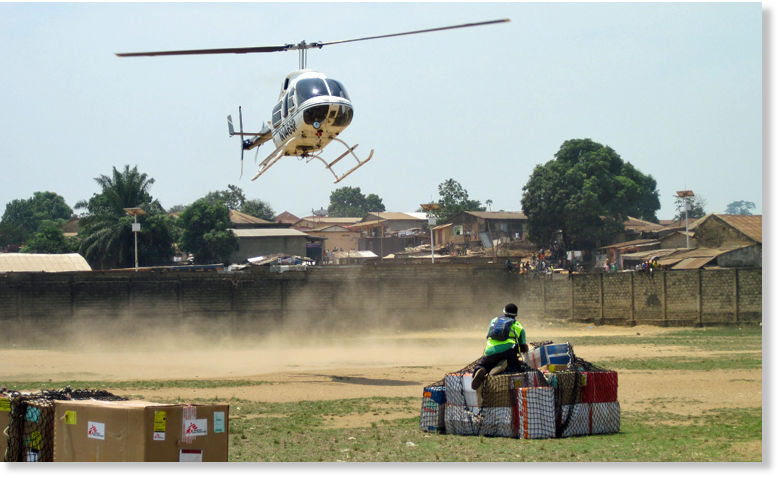
Samaritan's Purse is sling loading ebola isolation ward kits from Gueckedou, Guinea, to Foya, Liberia, for set-up of the isolation ward.
Samaritan's Purse works with the Liberian government to prevent the spread of the deadly Ebola virus

Two nurses in Liberia are among the 135 people who have died from the virulent Ebola virus that is sweeping across West Africa. The nurses worked at Foya Boma Hospital, near the border of Guinea, where the outbreak originated before spreading to Liberia.

Ebola is one of the deadliest viruses in the world, killing up to 90 percent of those infected. There is no cure or vaccine. The only way to stop it is to keep it from spreading.

Samaritan's Purse is partnering with Liberia's Ministry of Health to contain the outbreak. We are conducting public education and awareness campaigns in Lofa, River Gee, Gbarpulu, and Nimba counties and in Monrovia, the capital city and location of our field office.

So far, we have reached more than 140,000 people in 445 communities with Ebola awareness and prevention messaging. Hygiene items, including buckets, cups, and soap, have also been distributed.

Health

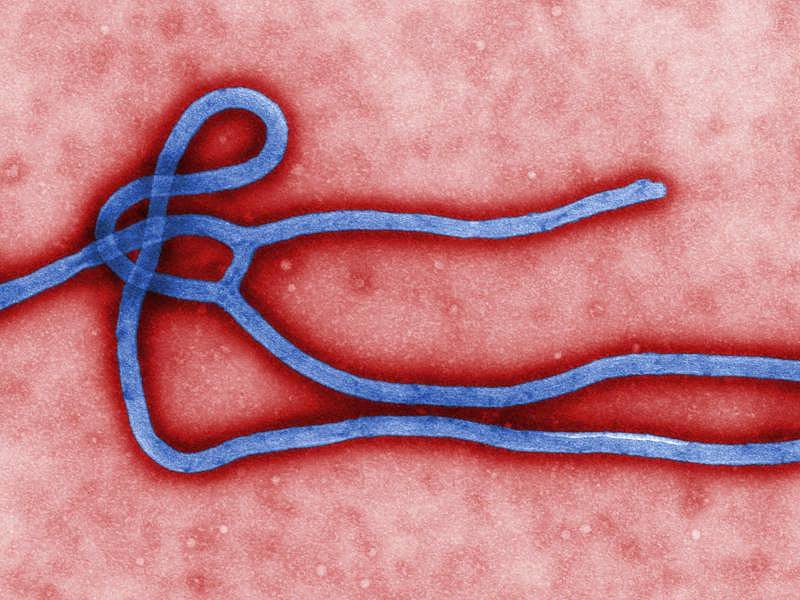
West African Ebola outbreak caused by new strain of disease

An Ebola outbreak blamed for 135 deaths in West Africa in the past month was not imported from Central Africa but caused by a new strain of the disease, a study in a U.S. medical journal said, raising the specter of further regional epidemics.
ebola virus mikroskopaufnahme
© dpa
The spread of Ebola from a remote corner of Guinea to the capital and into neighboring Liberia, the first deadly outbreak reported in West Africa, has caused panic across a region struggling with weak healthcare systems and porous borders.

Ebola is endemic to Democratic Republic of Congo, Uganda, South Sudan and Gabon, and scientists initially believed that Central Africa's Zaire strain of the virus was responsible for the outbreak.

Using analysis of blood samples from infected patients, however, researchers determined that while the Guinean form of the Ebola virus (EBOV) showed a 97 percent similarity to the Zaire strain, the disease was not introduced from Central Africa.

"This study demonstrates the emergence of a new EBOV strain in Guinea," wrote the group of more than 30 doctors and scientists, who published their preliminary findings on the website of the New England Journal of Medicine.

There is no vaccine or cure for Ebola - a hemorrhagic fever with a fatality rate of up to 90 percent that causes symptoms ranging from flu-like pains to internal and external bleeding caused by kidney and liver failure. Its suspected origin is forest bats and it can be transmitted between humans by touching victims or through bodily fluids.

"It is possible that EBOV has circulated undetected in this region for some time. The emergence of the virus in Guinea highlights the risk of EBOV outbreaks in the whole West African subregion," the report continued.


Comment: Don't forget to check:

Black Death found to be Ebola-like virus
New Light on the Black Death: The Viral and Cosmic Connection