Health & WellnessS


Eye 1

Anton's syndrome and other disorders of the visual processing system

woman looking in mirror
Mr B presented to the emergency department because of frequent falls and an inability to grasp anything in front of him. He could recognise his family by their voices but not by sight. When a pen was put in front of him, he claimed nothing was there, and he was unable to see the neurologist's hands waving at him.

He was diagnosed with total blindness. However, Mr B was unaware of and unperturbed by his blindness. He vividly described surroundings that did not actually exist. Brain imaging revealed strokes that had damaged his visual cortex.

Mr B had a rare condition called Anton's syndrome, characterised by denial of blindness. This is intriguing as it combines the most basic failure of visual perception (a complete loss of the ability to see) with a complete unawareness of this failure.

In this sense, it is one of the most dramatic illustrations of the consequences of damage to the brain's visual system.

Info

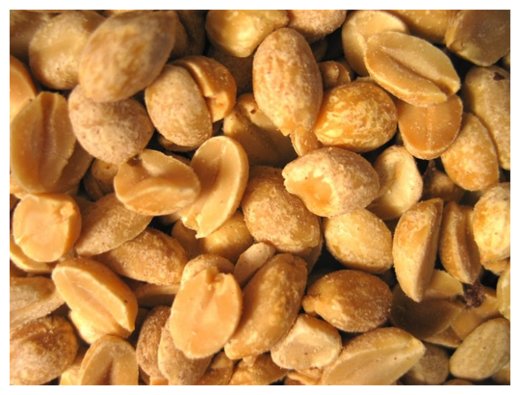
Mold found on nuts and corn give rise to respiratory diseases

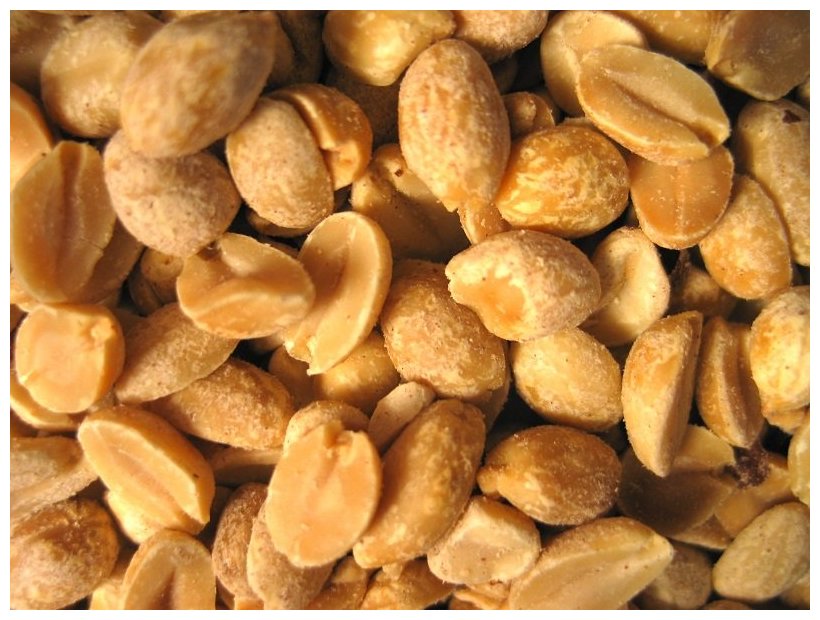
Peanuts
© Wikimedia Commons
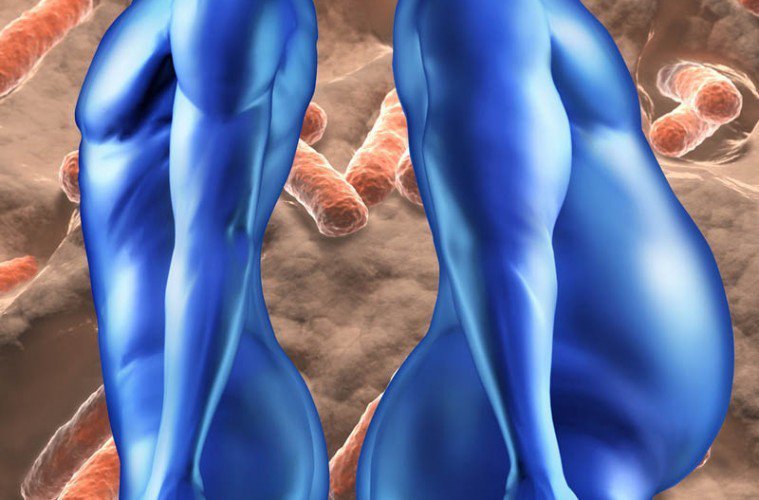
New research suggests that mold that can grow on common foodstuffs like nuts and corn can lead to ill-health effects through triggering a weakening of the airways.

The effect on the airways comes about from toxins excreted from mold. The effect is to weaken the airways' self-clearing mechanisms and immunity. In turn, this places an affected person at greater risk from respiratory diseases.

Moreover, if someone if already suffering with a lung-related disease, the effect of the toxin can be to exacerbate the condition.

The types of fungal toxins (or 'mycotoxins') of concern are called aflatoxins. These toxins are produced by specific fungi, of which Aspergillus flavus is a common example. It is estimated that up to 25 percent of the world's food crops are contaminated with these filamentous fungi.

The presence of the fugal toxins can trigger such diseases as allergic fungal rhinosinusitis and bronchopulmonary aspergillosis. These can become serious illnesses can require treatment by antifungal medications.

To add to the major illnesses, medical research is starting to unpick the downstream effects of aflatoxins on the airway passage. Some of this research centres on imaging techniques where human airways are studied. These images have indicated that the toxins affected small, hair-like structures that line the lungs called cilia.

The purpose of the appendages is to help clean-out the dust and dirt that is breathed in.

Magic Wand

Manuka honey: What is UMF 16+, MGO 400+, and Active?

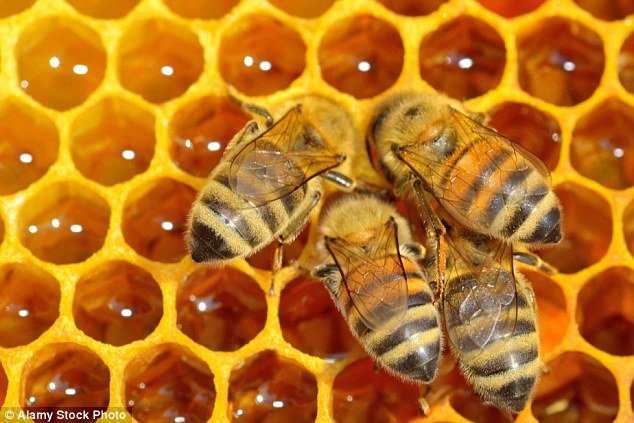
Honey
Manuka honey is one of the most researched honeys in the world. It has different markers and grades, all at expensive prices. And lots and lots of frauds.

Due to different policies genuine producers have graded manuka honey using different letters and numbers. I have already covered them in the article I want to buy manuka honey. What is UMF 16+, MGO 400+, Active? Here are some updates and clarifications:

Biohazard

Flashback Teen exposure to chemicals in makeup linked to obesity, cancer, brain disorders

Teenage girl applying lip gloss.
© ThinkstockTeenage girl applying lip gloss.
Women and teens who use certain shampoos, lotions, soaps, sunscreens and other personal care products risk exposure to chemicals that can interfere with their body's endocrine system. Scientists say there is growing evidence linking these chemicals to obesity, cancer cell growth and brain disorders such as stroke, multiple sclerosis and dementia.

A new study at UC Berkeley revealed that when teens stop using these products, even briefly, levels of these hormone-disrupting chemicals drop significantly.

Magnify

Acute flaccid myelitis: A mysterious polio-like illness

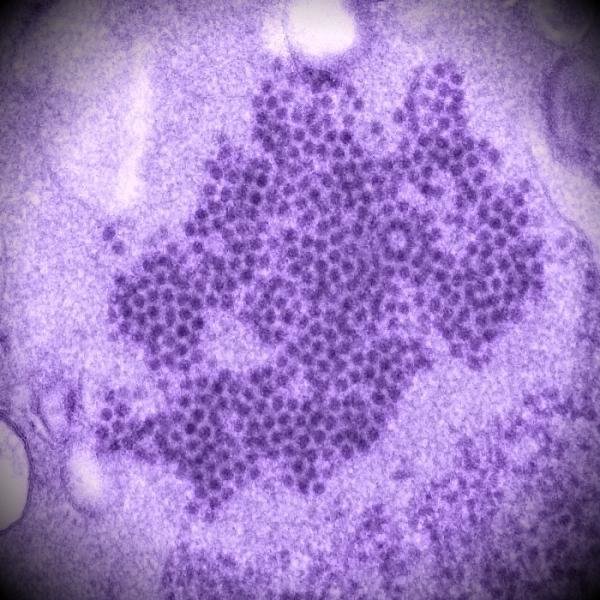
Acute flaccid myelitis
(Editor's Note: We seem mainstream reporting on this now again, but this has been happening for some time (since at least 2014) Read the articles, watch the videos but we can't live in fear. However, if they can scare us enough, they can make a vaccine they can force us to take. Do your research. Drink plenty of water. Wash your hands. Get plenty of rest. Get plenty of Vitamin D and Vitamin C. Eat clean, whole foods. Don't be terrified.)

AFM, or Acute flaccid myelitis, is a condition which affects the nervous system, specifically the spinal cord, and can result from a variety of causes including viral infections. Of those infected, most will have a sudden onset of limb weakness, muscle tone loss, and loss of reflexes. Still other patients will experience facial droop/weakness, difficulty moving the eyes, drooping eyelids, or difficulty with swallowing or slurred speech.

AFM is not new. It is not an epidemic. It is not surging this year. BUT- with Ebola and Zika on the fore-front of our minds, as the CDC pushes vaccines now more than ever and as our choice to vaccinate hangs in the balance- the medical community IS going to try and scare us this fall/winter- you can count on it.

Apple Red

USDA approves another GMO fruit - the Arctic Fuji apple

GMO apple
© Regis Duvignau / Reuters
The national nightmare of apples turning slightly brown is coming to an end: The US Department of Agriculture (USDA) gave commercial approval last week to the Arctic Fuji, a genetically modified apple that appears no different than its natural counterparts save for the fact it doesn't turn brown.

Apple flesh turns brown through the natural process of oxidation, but the people over at Okanagan Specialty Fruits hope to make this the way of the past with their Arctic Apples. Their science apples have been engineered to "silence" the polyphenol oxidase (PPO) enzyme that causes oxidation in apples.

While this may not seem important, Okanagan Specialty Fruits claims that browning is responsible for 40 percent of apple waste.

Megaphone

Corporate infiltration of academia: Monsanto teams up with Harvard, MIT Institute to unleash new unregulated GMOs on unsuspecting customers

harvard
The Monsanto Company has been reeling from an image crisis for several years now, one that reached a fever pitch with the first March Against Monsanto in May 2013.

The bad press and constant protests, both in its home country of the United States and especially abroad where GMOs are banned in 38 countries, have continued ever since, leading to company plans to possibly change its name and culminating with a pending, agreed-upon sale to Bayer this year.

But while the company has been universally questioned, criticized and protested against by the general citizenry, it has made inroads in large part because of its close relationships with government and academic institutions, as well as the lack of clear, concise labeling on GMO foods.

And now, Monsanto has partnered about with two of the biggest names in academia: Harvard University and MIT, for a new project that could change the face of agriculture in many unforeseen ways.

Microscope 1

Microbes made me do it: Researchers suspect bacteria, viruses & parasites influence human behavior, culture

microbes
We may think we're independent, capable individuals, calling the shots in our lives from a place of personal freedom, but a new breed of research offers a somewhat terrifying counter argument to this belief. Incredibly, microbes can have a profound effect on our personalities and behavior — and even cause us to be more accident prone.

While quite a bit of focus has been on the gut microbiome — and how it shapes our overall cognitive and mental health — recent discoveries have led scientists to believe this influence extends to viruses and parasites as well. Which brings us to the question: are these microscopic creatures controlling our behavior without us knowing about it?

Microbes Made Me Do It
"Now, I think this is part of what makes parasites so sinister and so compelling. We place such a premium on our free will and our independence that the prospect of losing those qualities to forces unseen informs many of our deepest societal fears. Orwellian dystopias and shadowy cabals and mind-controlling super villains — these are tropes that fill our darkest fiction, but in nature, they happen all the time." ~ Ed Yong in Suicidal Wasps, Zombie Roaches and Other Parasite Tales

Pills

Study finds: More Americans use painkillers than tobacco

pills
A new report highlights just how prevalent prescription painkiller use has become in the United States—today, more Americans use these drugs than tobacco products.

The findings came from the Substance Abuse and Mental Health Services Administration (SAMHSA). The report shows that 38% of Americans used prescription painkillers in 2015, while 31% used cigarettes, cigars or smokeless tobacco.

Those numbers are especially noteworthy because, according to the Centers for Disease Control and Prevention (CDC), more people died from prescription painkillers than homicide in 2014.

CDC data has also found that opioid overdose deaths climbed from about 5,500 in 2002 to just over 12,000 in 2014.

Health

Gut bacteria may determine levels of body fat

gut bacteria
Fat is stored all over our body and an expanding waistline increases the risk of many chronic illnesses. The type of bacteria in human feces could decide how much dangerous fat is stored in the body, a study from Kings College, London has concluded.

The findings, outlined in the journal Genome Biology, strongly suggest obesity is genetically influenced as heritable bacteria were found in the faecal microbiome.

Your body's fat impacts your health differently depending on where it's stored. While most fat found on other parts of our bodies (think arms, legs, buttocks) are considered "subcutaneous fat," belly fat is more likely to be "visceral." Visceral fat shows strong links to cancer, insulin resistance, cardiovascular disease and other metabolic problems.

The College's research adds to mounting evidence that gut bacteria has a larger say in weight gain than previously thought.

Comment: See also: