Health & WellnessS


Nuke

Vegetable oil is toxic

Image
A number of research studies have shown that corn gluten can create inflammatory damage to those with celiac disease and gluten sensitivity. Past articles on Gluten Free Society have addressed this issue thoroughly.

Corn Oil Linked To Villous Atrophy

A study published in the medical journal, Pediatric Research, investigated different dietary fats and their influence on gut damage and inflammation. The findings revealed that corn oil increased villous atrophy, and also caused an increased production of inflammatory chemicals. One of the mechanisms suspected as the cause is the high level of omega 6 fatty acids found in corn oils. Source: Pediatr Res. 1997 Dec;42(6):835-9.

Family

'Active' Mothers prefer planned home birth, midwifery care

Women who see themselves as active participants in the delivery of their first child, and prefer a collaborative role with their healthcare provider are more likely to prefer planned home birth and the care of a midwife, according to a new survey conducted by Columbia University School of Nursing's Adriana Arcia, PhD, RN, and published in the journal Midwifery.

Alternatively, when women perceive the mother's role in the birthing process more passively, and are more fearful of the of the delivery experience, they are more likely to seek the care of a physician and the hospital setting for childbirth.

Red Flag

Health officials: 1 in 50 school kids have autism

Image
A government survey of parents says 1 in 50 U.S. schoolchildren has autism, surpassing another federal estimate for the disorder.

Health officials say the new number doesn't mean autism is occurring more often. But it does suggest that doctors are diagnosing autism more frequently, especially in children with milder problems.

The earlier government estimate of 1 in 88 comes from a study that many consider more rigorous. It looks at medical and school records instead of relying on parents.

For decades, autism meant kids with severe language, intellectual and social impairments and unusual, repetitious behaviors. But the definition has gradually expanded and now includes milder, related conditions.

The new estimate released Wednesday by the Centers for Disease Control and Prevention would mean at least 1 million children have autism.

The number is important - government officials look at how common each illness or disorder is when weighing how to spend limited public health funds.

It's also controversial.

Wine

Sugary drinks linked to 180,000 deaths worldwide

Image
Sugar-sweetened beverages are linked to more than 180,000 obesity-related deaths worldwide each year, according to new research presented this week at an American Heart Association conference.

"This means about one in every 100 deaths from obesity-related diseases is caused by drinking sugary beverages," says study author Gitanjali Singh, a postdoctoral research fellow at the Harvard School of Public Health.

Among the world's 35 largest countries, Mexico had the highest death rates from sugary drinks, and Bangladesh had the lowest, according to the study. The United States ranked third.

However, the American Beverage Association dismissed the research as "more about sensationalism than science."

When people drink too many beverages containing added sugar, such as soft drinks, fruit drinks, energy or sports beverages, they tend to put on weight. The study authors say these added pounds increase the risk of developing diabetes, cardiovascular disease and some cancers -- conditions often referred to as obesity-related diseases.

Researchers at Harvard wanted to find out how often people around the globe drank sugar-sweetened beverages and how that affected their risk of death. They looked at 114 national dietary surveys covering more than 60% of the world's population. They also used evidence from studies published in medical journals that discussed sugary drinks and other dietary habits. Their data was included in the 2010 Global Burden of Disease Study, which looks at the health and mortality of populations across the world.


Light Sabers

My food fight: Irritable Bowel Disease vs. Monsanto

Image
© fightagainstgmos.com
1 in every 250 persons in the UK are affected by inflammatory bowel diseases. Two years ago, I was diagnosed with a type of inflammatory bowel disease called Ulcerative Colitis. It affects up to 120,000 people in the UK, that's about 1 in 500 and between 6,000 and 12,000 new cases are diagnosed every year.(i) For me it meant that I had to keep running to the bathroom up to 25 times a day. My large bowel at the worst of times would produce bloody mucus and I would have severe cramps. Due to the toxins created by the inflammation it also meant that I would be severely nauseous and could not hold down liquids, let alone food.

Over the two years, I was on a course of medication that included anti-inflammatory granules and corticosteroids to try and reduce the inflammation. However, whenever I tried to wean off the drugs, the inflammation would rapidly get worse. Getting desperate for solutions, I tried acupuncture, Chinese medicine, homeopathy, and other natural remedies - anything that might help get me into clinical remission. What had happened was that my body had become immune to the medication because I had been taking them for so long. In order to try and get the medication to suppress the symptoms, I was prescribed Mercaptopurine. This was supposed to weaken my immune system and in theory reverse the immunity to the drugs.

Cheeseburger

McDonalds fast food: Toxic ingredients include putty & cosmetic petrochemicals

Image
Every mouthful of McDonald meal contains a handful of chemicals that raise 'bad' cholesterol levels, increase diabetes risk, lower immunity, and damage DNA. In fact fast food contains so many harmful ingredients that I wouldn't even feed it to a pet because it would be cruel.

When you go to the fast-food drive-through, you are:
  1. paying to harm your own health;
  2. your children's health;
  3. reducing your quality of life because the toxicity of eating synthetic chemicals will trigger illness;
  4. put more money into the hands of the medical insurance companies.
Still lovin' it?

Health

The power of peppermint: 15 health benefits revealed

Image
A favorite herbal medicine of the ancients, peppermint leaves have been found in Egyptian pyramids dating back to 1,000 BC. Modern scientific investigations have now confirmed that this remarkable plant has over a dozen healing properties.

In our continuing effort to educate folks to the vast array of healing agents found in the natural world around us, we are excited to feature peppermint, a member of the aromatic mint family that you may already have squirreled away somewhere in your kitchen cupboard. While most have experienced peppermint as a flavoring agent, or perhaps as a comforting cup of herbal tea, few are aware of its wide range of experimentally confirmed therapeutic properties.

The ancients certainly were aware of the mint family's medicinal value, having been used as herbal medicines in ancient Egypt, Greek and Rome thousands of years ago.[i] Dried peppermint leaves have even been found in several Egyptian pyramids carbon dating back to 1,000 BC.

Syringe

More parents say they won't vaccinate daughters against HPV, researchers find

Parents increasingly concerned about potential side effects, study shows.

A rising percentage of parents say they won't have their teen daughters vaccinated to protect against the human papilloma virus, even though physicians are increasingly recommending adolescent vaccinations, a study by Mayo Clinic and others shows. More than 2 in 5 parents surveyed believe the HPV vaccine is unnecessary, and a growing number worry about potential side effects, researchers found. The findings are published in the new issue of the journal Pediatrics.

In all, researchers looked at three vaccines routinely recommended for U.S. teens: a vaccine to protect against the sexually transmitted HPV; Tdap, for tetanus, diphtheria and acellular pertussis; and the meningococcal conjugate vaccine, or MCV4 vaccine. While the up-to-date immunization rates rose for all three vaccines, the proportion of girls fully immunized against HPV (three doses over six months) was substantially lower than the proportion for the other two vaccines.

Five years ago, 40 percent of parents surveyed said they wouldn't vaccinate their girls against HPV. In 2009, that rose to 41 percent, and in 2010, to 44 percent.

"That's the opposite direction that rate should be going," says senior researcher Robert Jacobson, M.D., a pediatrician with the Mayo Clinic Children's Center.

Magnify

High Fructose Corn Syrup: Bad for the brain?

Image
© appforhealth.com
High fructose corn syrup (HFCS), the sweetener that's ubiquitous in sodas, processed snacks, and junk foods, may tinker with the brain in ways that, unlike glucose, may actually encourage us to overeat. The problem is that after downing a soft drink containing fructose, the brain may not register that we're full, according to a study published in the January 2, 2013 issue of the Journal of the American Medical Association. For the investigation, scientists used MRI scans to visualize and compare blood flow in the brain after their subjects - 20 young, normal-weight men and women - drank beverages containing HFCS and, a few weeks later, one containing glucose. Scans showed that drinking the glucose-sweetened beverages turns off brain areas that stimulate the desire for food, but this didn't happen when the drinks contained HFCS. The study was small and didn't prove that HFCS contributes to obesity, although increases in obesity have paralleled the use of HFCS. More studies will be necessary to confirm the negative effects HFCS has on the brain.

Comment: More documentation that High Fructose Corn Syrup (HFCS) is Evil and bad for the brain!

5 Reasons High Fructose Corn Syrup Will Kill You
High-Fructose Corn Syrup is Evil: 7 Key Findings
Is High Fructose Corn Syrup Turning Us Into Mad Hatters?
Here's What A Lifetime's Worth of Corn Syrup Consumption Looks Like
This is your brain on sugar: high-fructose diet sabotages learning, memory
New research shows long term high-fructose corn syrup diet alters learning and memory
How Sweet It Isn't! Cutting Through the Hype and Deception of High Fructose Corn Syrup


Health

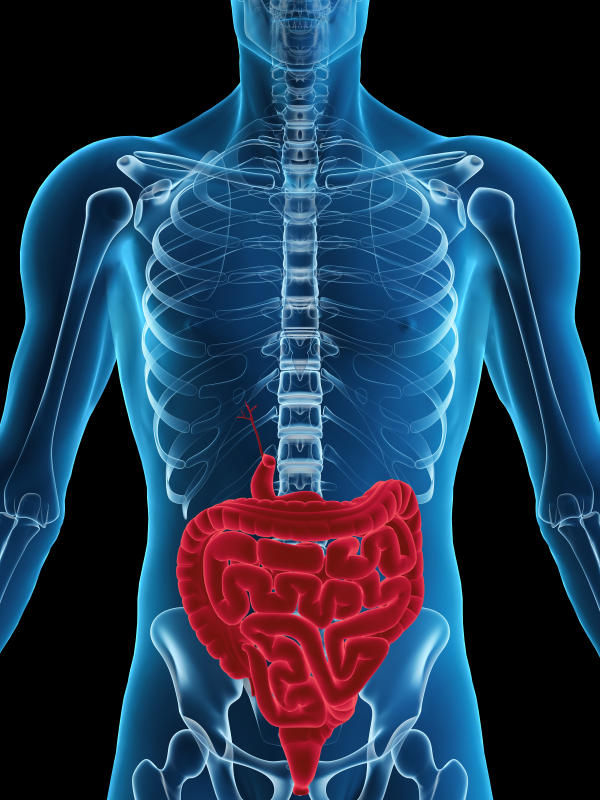
From Autism to Anorexia, it's all about the gut

Image
© Sciencedaily.com
Whether you suffer with a chronic illness, psychiatric disorder or psychological condition, the first thing to check is your belly. "All diseases begin in the gut," says Dr. Natasha Campbell-McBride, M.D., a leading expert on the subject of autism as well as other learning disabilities and digestive disorders. In her work, she heals both mind and body by focusing on the health of the belly.

At her Cambridge Nutrition Clinic established in England in 1998, Dr. Campbell-McBride traces the connection between neurology and nutrition as well as digestion and the functioning of the rest of the body. "The digestive system holds the root of our health," she says pointing out the extensive role that gut flora plays in disease prevention, including protecting us from invading pathogens, detoxification, facilitating the digestion of food as well as the absorption of vitamins and minerals like calcium and zinc, and actually producing B vitamins. In addition, between 84-88% of the immune system is housed in the gut lining, she says, which would equal the size of a tennis court if opened up and laid flat .