© The Daily Galaxy
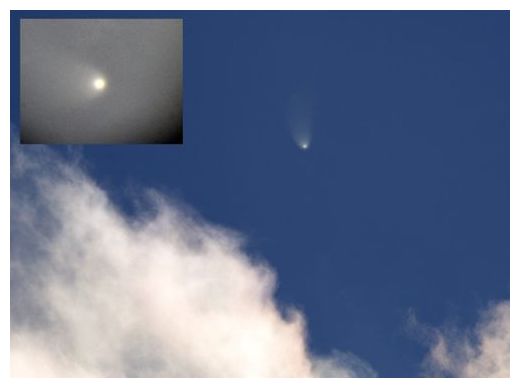
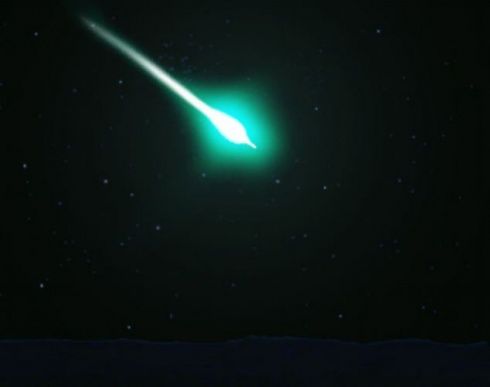
An asteroid the size of a truck zoomed near Earth this week (June 1), coming closer to us than the moon ever does. The 23-foot-long (7-meter) space rock, named 2009 BD, came within 215,000 miles (346,000 kilometers) of Earth at around 8:51 p.m. EDT (0051 GMT on June 2). The moon's average distance from us is about 239,000 miles (385,000 km).
Stephen Hawking believes that one of the major factors in the possible scarcity of intelligent life in our galaxy is the high probability of an asteroid or comet colliding with inhabited planets.
We have observed, Hawking points out in Life in the Universe, the collision of a comet, Schumacher-Levi, with Jupiter, which produced a series of enormous fireballs, plumes many thousands of kilometers high, hot "bubbles" of gas in the atmosphere, and large dark "scars" on the atmosphere which had lifetimes on the order of weeks.
It is thought the collision of a rather smaller body with the Earth, about 70 million years ago, was responsible for the extinction of the dinosaurs. A few small early mammals survived, but anything as large as a human, would have almost certainly been wiped out.
Through Earth's history such collisions occur, on the average every one million year. If this figure is correct, it would mean that intelligent life on Earth has developed only because of the lucky chance that there have been no major collisions in the last 70 million years. Other planets in the galaxy, Hawking believes, on which life has developed, may not have had a long enough collision free period to evolve intelligent beings.

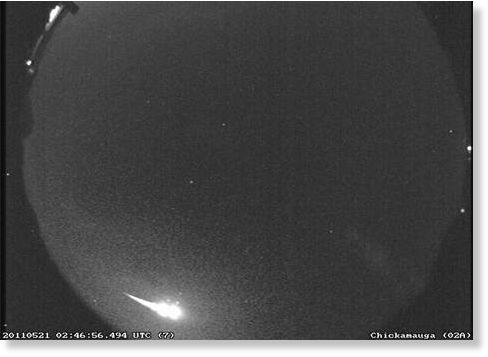
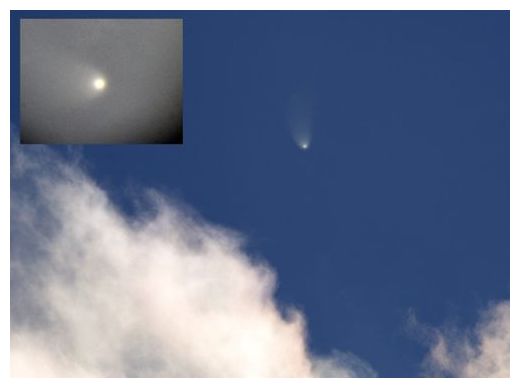

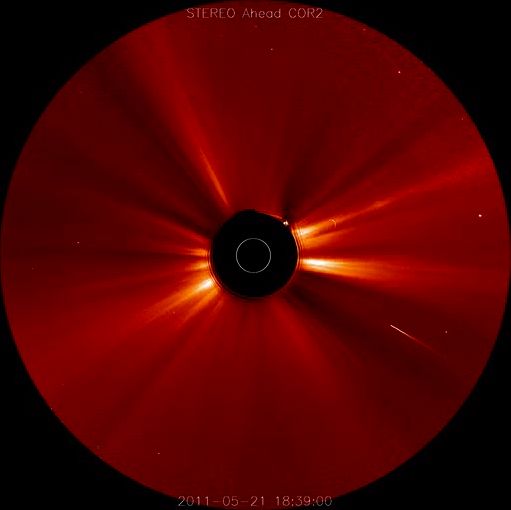
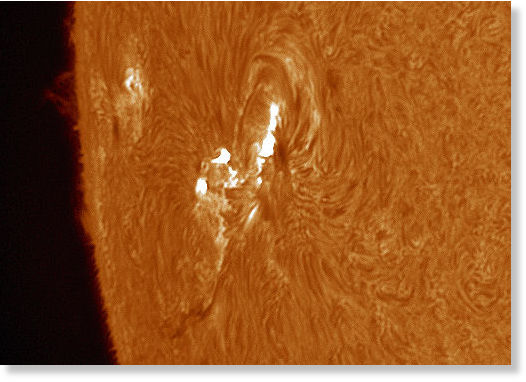







Comment: The mental gymnastics NASA scientists must undergo to really believe their own nonsense is breathtaking!
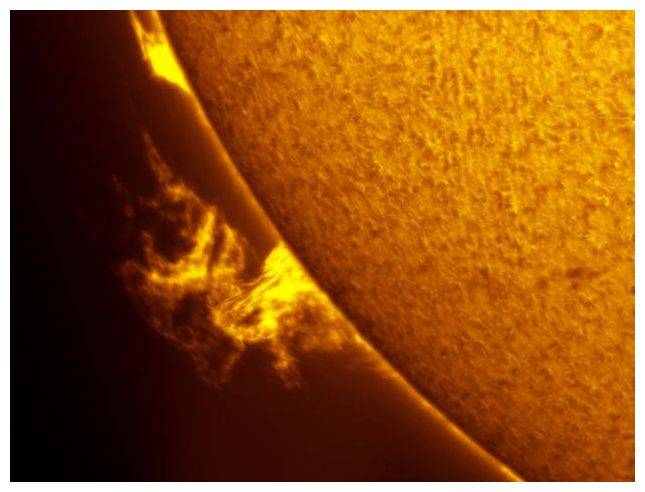
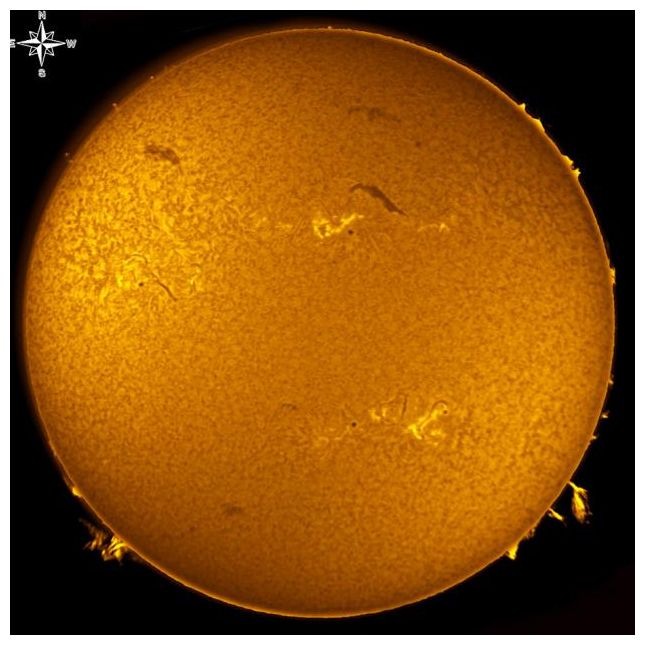
Are they just willfully ignorant? Or are they intentionally covering up the glaringly obvious truth that comets interact electrically with our Sun, causing it to discharge enormous amounts of energy in the form of solar flares, CMEs, etc.?
In his book Planet X, McCanney claims that NASA personnel are "prohibited from disclosing to the public anything that would cause a national panic" (p.83) Like the 'in the interest of national security' excuse cited in the War on Terror™, this excuse about 'not wanting to cause a national panic' is wearing a little thin. So thin, in fact, that it has become transparent and, thanks to researchers and real scientists like James McCanney, we can see straight through it.
Planet-X, Comets and Earth Changes by J.M. McCanney