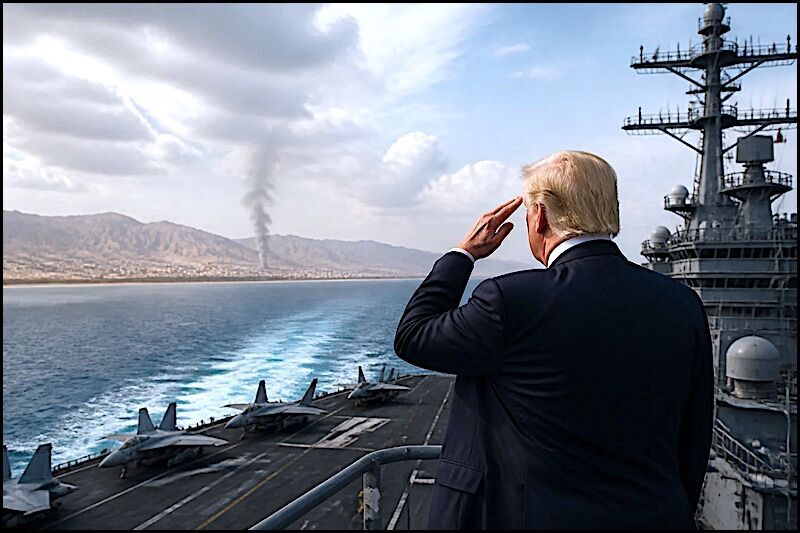
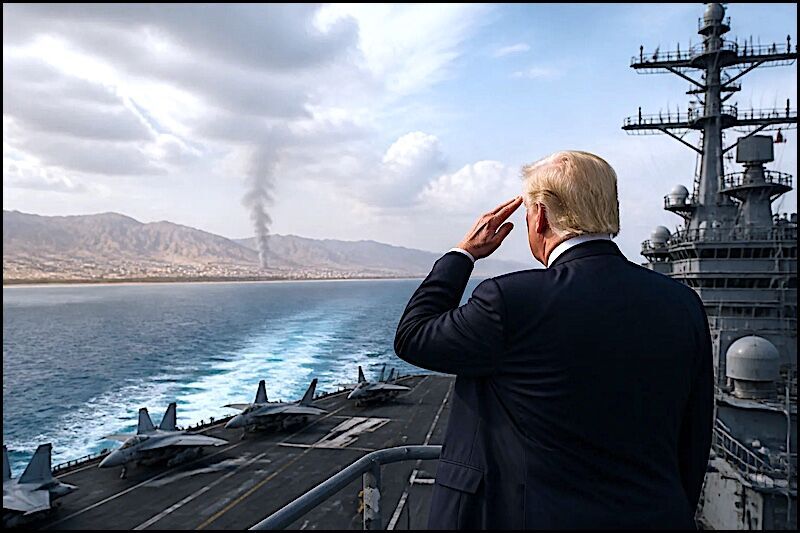
© Iranskoj ZemleUS President Donald Trump
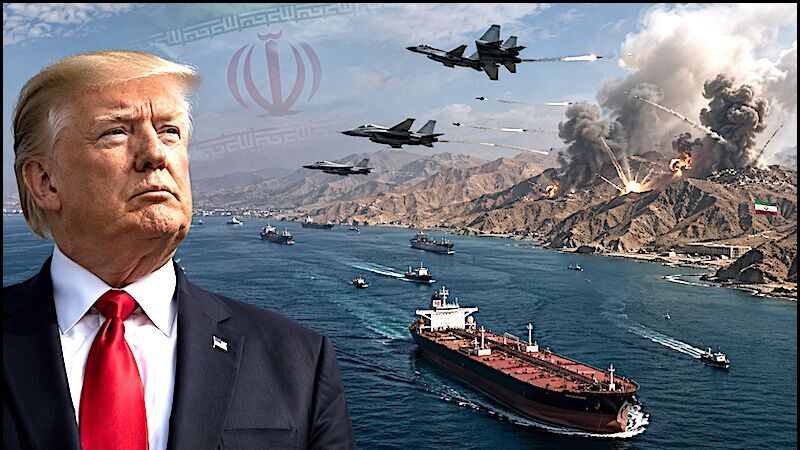
On February 28, 2026, the United States launched a military operation against Iran under the codename "Epic Fury."
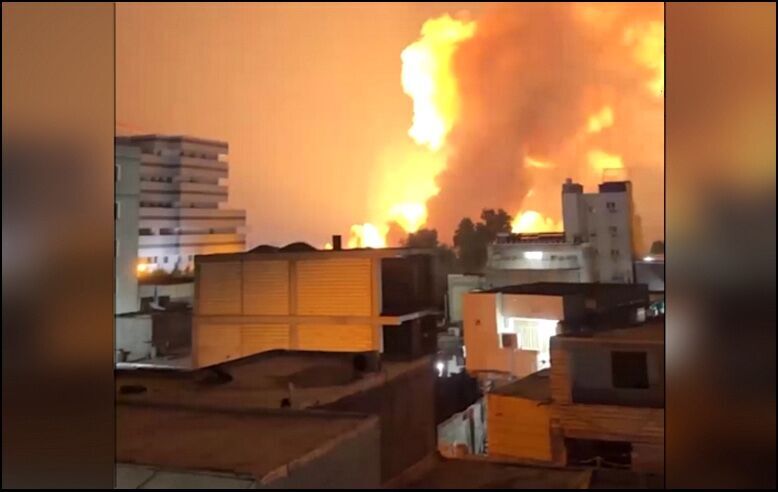
The American war machine, superior to its adversary by every metric, delivered more than 13,000 strikes against Iranian targets. A naval blockade all but halted Iran's oil trade,
and the destruction of a significant portion of Iran's fleet and air force appeared to be compelling evidence of American dominance.However, on April 8, 2026, when the conflict was halted, it became clear that
the war's objectives had not been achieved. The Tehran regime did not fall — moreover, it swiftly replaced its slain supreme leader with his son and maintained control over a population of 90 million. Iran's military potential was weakened but not destroyed: according to U.S. intelligence,
roughly 70% of its missile arsenal and launchers remained operational. Enriched uranium stockpiles were buried in tunnel complexes but remained under Tehran's control. Iran retained the ability to choke off the Strait of Hormuz — the strategic chokepoint through which roughly 20% of the world's oil flows.
On the surface, this looked like a war with an inconclusive outcome. But the historical perspective that emerged a hundred days after the conflict began
points to a strategic U.S. defeat. In June 2026, Donald Trump signed a memorandum of understanding with Iran at Versailles. As one expert wryly observed, the symbolism of the venue — Germany's signing of the Treaty of Versailles in 1919 — was difficult to ignore. The agreement, struck from a position of weakness, essentially amounted to a U.S. capitulation on the very goals it had declared at the outset of the war.










Comment:
Amuse on X comments: