
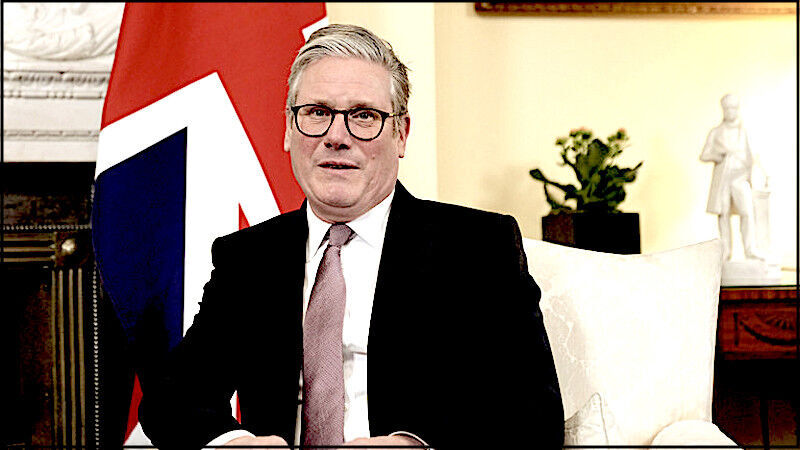
© Kin Cheung/APBritish PM Keir Starmer
Incoming US President Donald Trump could sideline British Prime Minister Keir Starmer, placing him "at the back of the queue" of world leaders invited to Washington, The Mail on Sunday has reported, citing anonymous sources. The claim follows accusations from Trump's team of Labour Party meddling in the US presidential elections.
Trump's advisers are considering measures to snub Starmer, including rejecting Labour grandee Lord Mandelson's candidacy as UK ambassador to Washington due to his perceived links to China, according to newspaper's sources. Starmer himself will "have to eat humble pie" to secure a meeting at the White House, the newspaper added.
Some of Trump's allies reportedly view Nigel Farage as a potential successor to Starmer, with the newspaper describing the move as "revenge" for Labour's actions. Farage is expected to attend Trump's inauguration on Monday, along with former British prime ministers, Liz Truss and Boris Johnson.
During the 2024 US presidential election, Labour's director of operations, Sofia Patel, called on party staffers to campaign for Democratic candidate Kamala Harris in key swing states. Reports suggest that nearly 100 Labour staff canvased for the democrat in the US. In response, Trump's allies have filed a formal complaint with the Federal Election Commission, alleging foreign interference.













Comment: Why the last-minute pardons if Covid-19 wasn't an engineered US biological weapon, if Milley didn't organize the January 6th coup to prevent Trump exercising his authority to 'block the steal', and if the J6 Committee didn't slap a pseudo-legal seal on it?
He also pardoned some of his immediate family, except his wife...