Science & TechnologyS


People

Tech billionaires want to bust humans -- or, at least, themselves -- out of the Matrix

Matrix
© Foto: Jamie Zawinski/Wikimedia
On the southwestern edge of Lake Titicaca, Peru, there is an ancient 23-foot doorway known as the Aramu Muru. Local natives call it the "Puerta de hayu Marca," the gateway to the lands of the gods and immortal life. Throughout their history, the natives have described people disappearing and appearing at this doorway.

In 1998, purported extraterrestrial contactee Jerry Wills claimed a tall blonde humanoid named Zo taught him how to access Aramu Muru and enter "another universe." Wills further claimed that Zo illustrated to him how our universe is an experimental simulation within his species' universe. They built it to understand their own reality, which is itself nested inside a larger universe.

The next year, in 1999, the blockbuster science fiction film The Matrix came out and forever emblazoned into our collective subconscious the idea that our existence is a simulation created by a more advanced race of beings. Incidentally, the film also made long black trench coats, black sunglasses, and my last name all the rage, but I digress...

A few years after the release of The Matrix, philosopher Nick Bostrom published the Simulation Argument, a concise paper entitled "Are You Living in a Computer Simulation?" It presented a trilemma, a mathematical breakdown of why at least one of three provocative scenarios must be true.

Bug

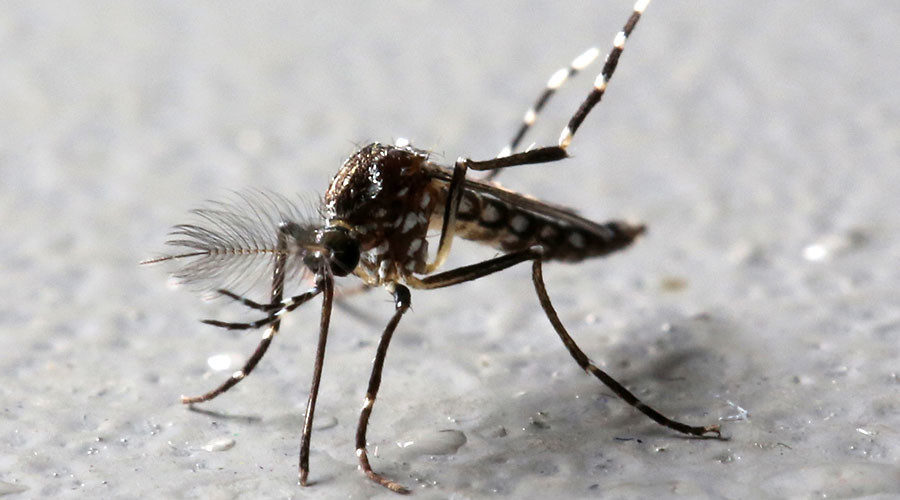
Google's life science division to release 20 million infected male mosquitoes in California

mosquito
© Paulo Whitaker / Reuters
Verily, formerly Google Life Sciences, is releasing millions of infected mosquitoes into the wild to test a population control method that could help fight deadly diseases that the wild mosquitoes carry.

On Friday, Verily announced the launch of Debug Fresno, the first field study in their Debug Project to "to reduce the devastating global health impact that disease-carrying mosquitoes inflict on people around the world."

The company says it has developed an autonomous robot that can breed 150,000 mosquitoes a week. It plans to release 1 million infected mosquitoes every week for 20 weeks over the summer in an attempt to decrease the wild mosquito population in two 300 acre neighborhoods in the Fresno area.

Galaxy

What do we know about the mysterious planet hiding out at the edge of the solar system?

Planet 9
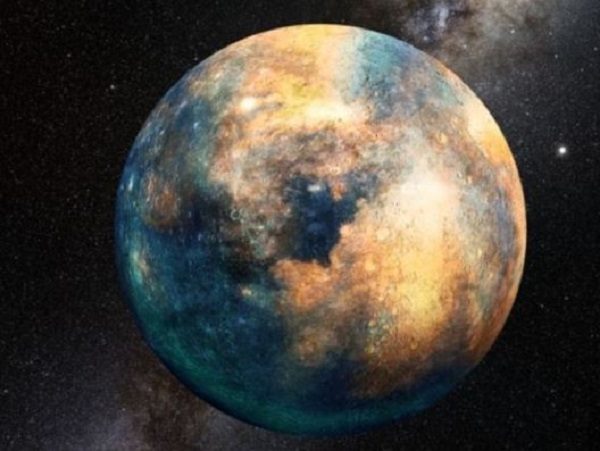
© Heather Roper/LPLSomething big enough, namely the existence of Planet 10, could be interfering with orbital plane and causing the warp on Kuiper Belt.
Our solar system has eight known planets, and beyond Neptune's orbit, one can find small icy bodies such as Pluto. None, however, is already proven to rival our planets in size.

The search for distant worlds and solar systems has made great headways, but debates and uncertainties remain. A case in point: the existence of Planet 9. Now, new observations offer evidence of a planetary mass hiding closer to home, revealing itself by its effects on the space rocks in the Kuiper Belt.


Planet 10: Causing Warp On Kuiper Belt?

The Kuiper Belt shelters minor planets, space rocks, and other objects that orbit the sun with a specific inclination. A new survey by Renu Malhotra and Kat Volk of the University of Arizona's Lunar and Planetary Laboratory (LPL), however, showed that the most distant objects in the vicinity divert from this particular inclination and are tilted away from the orbital plane by 8 degrees.

What this meant: something big enough could be interfering with such plane and causing the warp on Kuiper Belt.

Comment: The New York Post takes a more ominous tone when describing rogue planets:
...

Here's the thing to remember about rogue planets: They're not just wanderers; they can be destroyers, too. Simulations tell us that some 60 percent of rogue planets that enter the solar system would bounce out again. But in 10 percent of cases, the rogue will take another planet along as it departs.

Just like that, Neptune is gone. Or Mars. Or, you know, us.

Tell me that's not a weapon of interstellar war. (OK, fine, the capture of another planet would take hundreds of centuries. So it's a weapon of war for a very patient species. Or one that perceives time differently. But how do we know it's not already happening? Anyway, never mess with the narrative!)

And there's something else for the sci-fi paranoiac to chew on along with the popcorn. The sequence. In early 2016, astronomers find a disturbance in the Kuiper Belt Objects and think "planet." Fine, natural phenomenon. Then this year, they find another disturbance and think "another planet." Fine, natural phenomenon. Then how is it that we never noticed before? Maybe the disturbances are . . . recent. So if by chance we're soon told of a third disturbance, then by the James Bond theory of conspiracy it's enemy action.

Cue heavy overdone music. Cue our most powerful weapons having no effect. Cue a broken family trying to reunite. Cue Roland Emmerich. I mean, somebody's got to make this movie, right? I'll be there on opening day.
See also:


Info

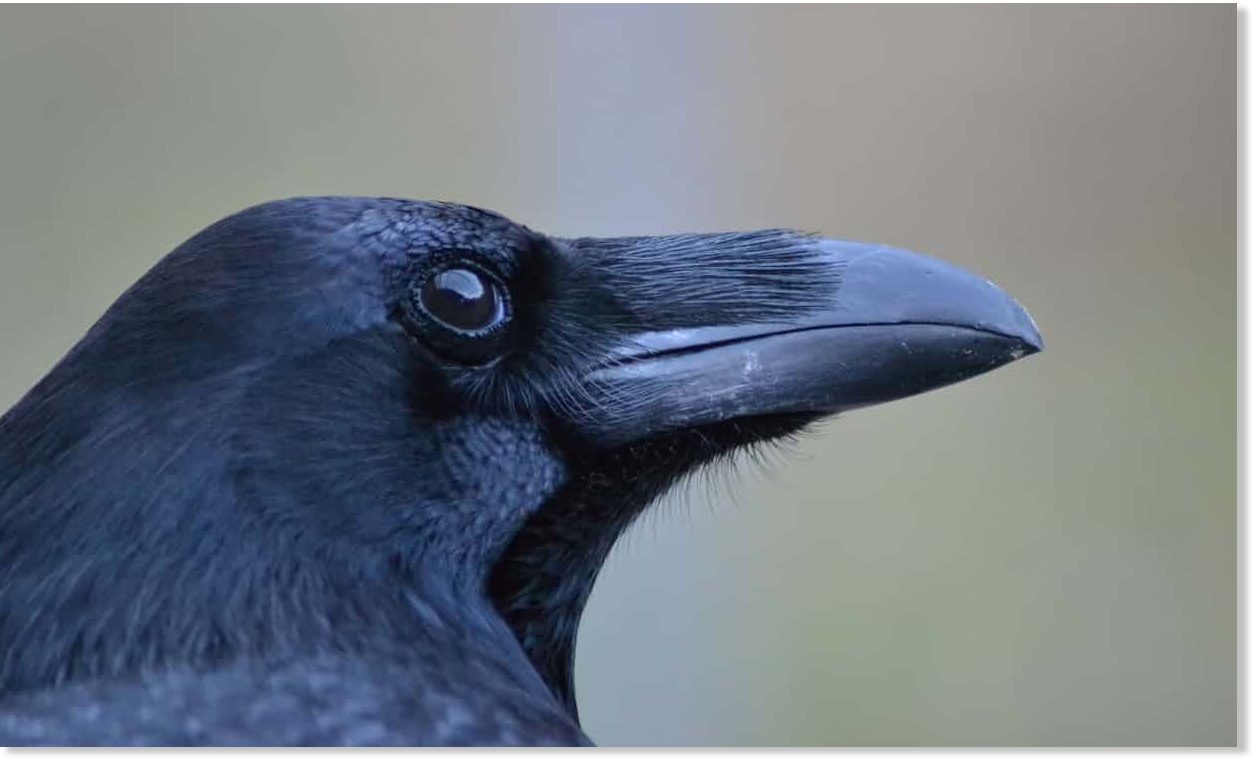
Evermore: Ravens can plan for the future, say scientists

The captive ravens in the study were tested on two tasks: using tools and bartering with humans.
© Jana MuellerThe captive ravens in the study were tested on two tasks: using tools and bartering with humans.
Swedish experiment shows the notoriously brilliant bird has capacity to think ahead, an ability previously documented only in humans and great apes

Scientists from Sweden say ravens are able to think about the future, showing a general planning ability previously documented only in people and great apes.

Researchers Can Kabadayi and Mathias Osvath, of Lund University, tested five captive ravens in two tasks they do not do in the wild: using tools and bartering with humans. The results were published on Thursday by the journal Science.

Ravens, along with crows, jays and others, belong to a bird group called corvids. Some corvids have shown that in hoarding food, they do some planning for the future instead of just acting on natural urges.

The Lund University ravens showed they could also plan by setting aside a tool that they suspected would get them a tasty treat later. They also prepared for future bartering.

Blue Planet

China's luminous Yuncheng Salt Lake captured in stunning satellite images

Yungcheng Salt Lake satellite image
© Deimos Imaging
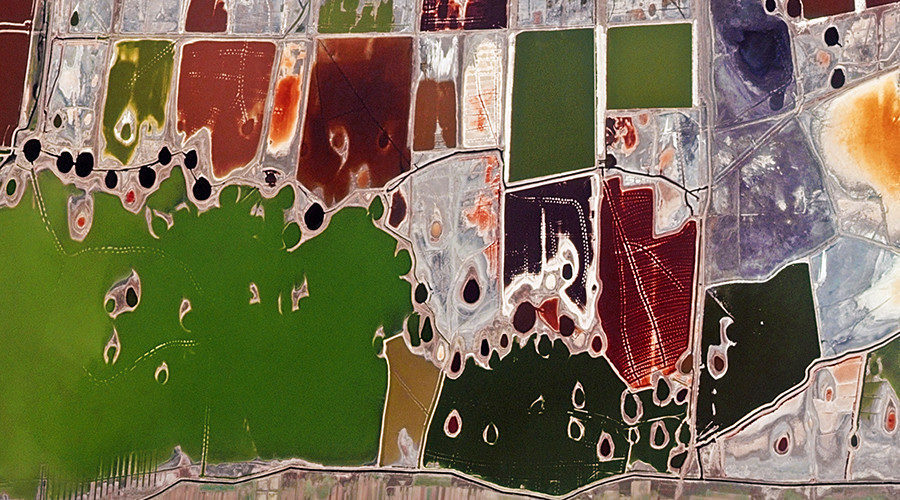
As temperatures rise throughout China's summer months, the Yuncheng Salt Lake turns a variety of stunning colours, with the amazing natural phenomenon now captured by satellites in space.

The Yuncheng Salt Lake, also known as the 'Dead Sea of China' due its high salt levels, is a popular tourist destination and it's easy to see why. It seems, however, that its natural bright colors are best observed from above, as shown in this image snapped by Deimos Imaging.

Beaker

Biologists use stem cells to bioengineer functional arteries

stem cells
© The Morgridge Institute for Research
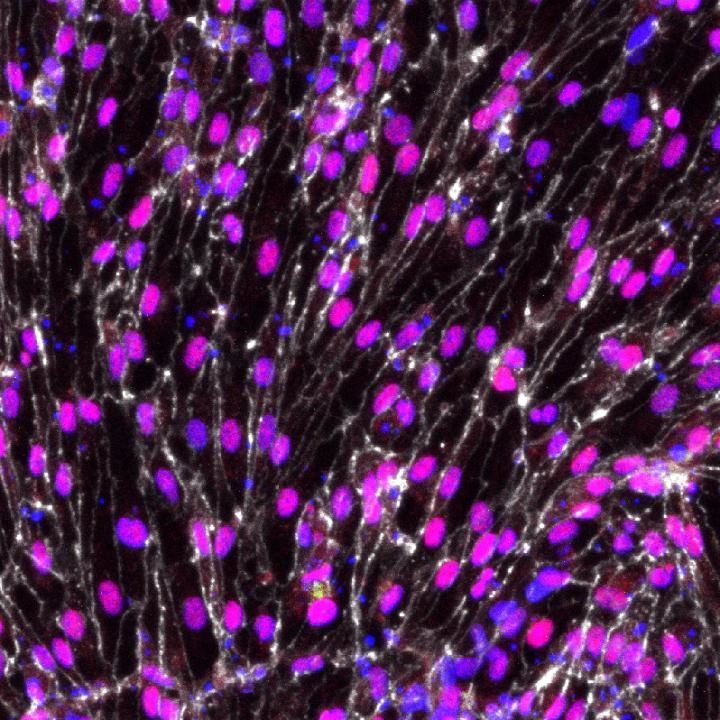
Stem cell biologists have tried unsuccessfully for years to produce cells that will give rise to functional arteries and give physicians new options to combat cardiovascular disease, the world's leading cause of death.

But new techniques developed at the Morgridge Institute for Research and the University of Wisconsin-Madison have produced, for the first time, functional arterial cells at both the quality and scale to be relevant for disease modeling and clinical application.

Reporting in the July 10 issue of the journal Proceedings of the National Academy of Sciences (PNAS), scientists in the lab of stem cell pioneer James Thomson describe methods for generating and characterizing arterial endothelial cells — the cells that initiate artery development — that exhibit many of the specific functions required by the body.

Further, these cells contributed both to new artery formation and improved survival rate of mice used in a model for myocardial infarction. Mice treated with this cell line had an 83 percent survival rate, compared to 33 percent for controls.

Comment: Stem cell therapy: The innovations and potential to help repair and regenerate your body


Sun

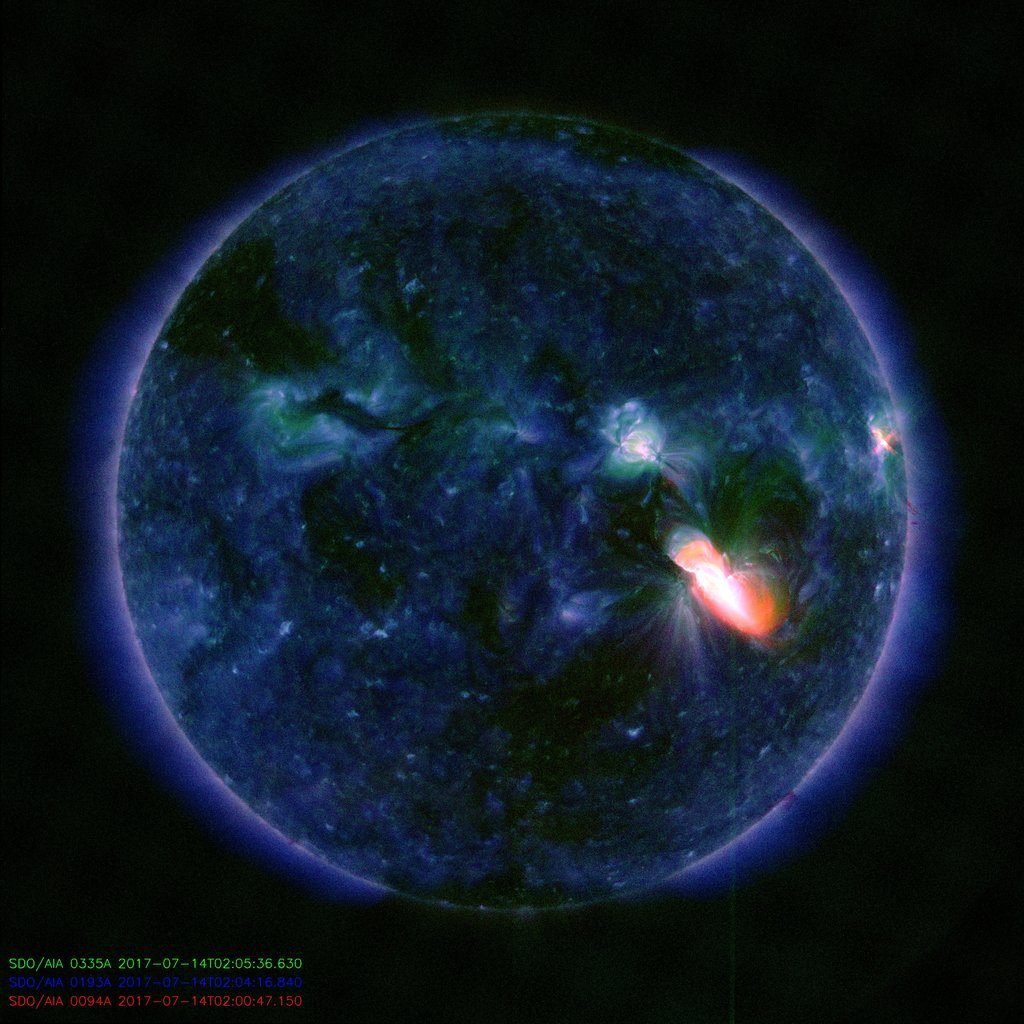
Strong solar flare erupts from sunspot AR2665

solar flare eruption July 14, 2017
© NASA's Solar Dynamics ObservatorySolar flare eruption July 14, 2017
After days of suspenseful quiet, huge sunspot AR2665 finally erupted on July 14th (0209 UT), producing a powerful and long-lasting M2-class solar flare. Extreme ultraviolet telescopes onboard NASA's Solar Dynamics Observatory recorded the blast:

Remarkably, the explosion persisted for more than two hours, producing a sustained fusillade of X-rays and energetic protons that ionized the upper layers of Earth's atmosphere. Shortwave radio blackouts were subsequently observed over the Pacific Ocean and especially around the Arctic Circle. This map from NOAA shows the affected geographic regions.

Seismograph

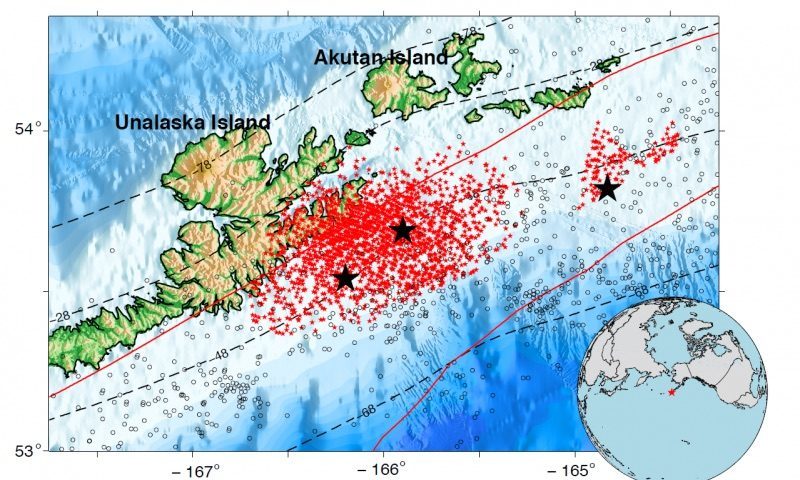
Geologists: Slow earthquakes occur continuously in the Alaska-Aleutian subduction zone

Earthquakes in the Alaska-Aleutian subduction zone
© Ghosh lab, UC RiversideImage shows tremor sources and low frequency earthquake distribution in the study region and historic large earthquakes in the Alaska-Aleutian subduction zone. Each red star represents the location of 1 min tremor signal determined by the beam back projection method, and the black stars show three visually detected low frequency earthquakes located using arrival times of body waves.
Seismologists at the University of California, Riverside studying earthquakes in the seismically and volcanically active Alaska-Aleutian subduction zone have found that "slow earthquakes" are occurring continuously, and could encourage damaging earthquakes.

Slow earthquakes are quiet, can be as large as magnitude 7, and last days to years. Taking place mainly at the boundary between tectonic plates, they happen so slowly that people don't feel them. A large slow earthquake is typically associated with abundant seismic tremor—a continuous weak seismic chatter—and low frequency (small and repeating) earthquakes.

"In the Alaska-Aleutian subduction zone, we found seismic tremor, and visually identified three low frequency earthquakes," said Abhijit Ghosh, an assistant professor of Earth sciences, who led the research published recently in Geophysical Research Letters. "Using them as templates, we detected nearly 1,300 additional low frequency earthquakes. Slow earthquakes may play an important role in the earthquake cycles in this subduction zone."

Biohazard

GMO insanity: Pesticides soon to be genetically bred into DNA of crops

GMO Corn
Using RNA sequencing, Roundup Ready won't need to be sprayed in crops, it'll be part of it
Forget spraying pesticides on your food, now they'll be genetically engineered to be in your food, thanks to Monsanto's latest quiet approval via the US Environmental Protection Agency.

The EPA just told Monsanto they could go ahead and bypass spraying our crops with carcinogenic chemicals like Round Up and just go ahead and breed them right into the crops themselves. Using a process called RNA interference, Monsanto's RNAi plant will supposedly kill pesky rootworms when they come along to chomp on them- but what else will these genetically modified crops do to beneficial bugs, the soil, and human health? The EPA has no idea, because they haven't done a single trial on RNAi-altered crops.

Comment: This is another chapter in Monsanto's deadly game of genetic roulette where they roll the dice and human beings and our food supply pays the price.


Galaxy

Astronomers find star that could not possibly be any smaller

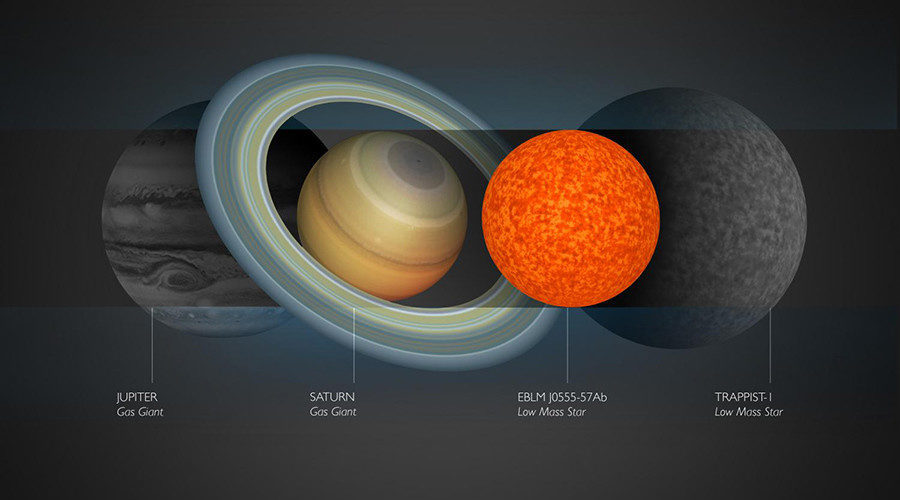
smallest star EBLM J0555-57Ab
© cam.ac.uk
University of Cambridge astronomers have stumbled upon the smallest star ever discovered. Fractionally larger than Saturn but smaller than Jupiter, it was hiding in a binary star system 600 light years away.

The gravitational pull of the star, with the catchy name EBLM J0555-57Ab, is about 300 times that of what we feel here on Earth. Researchers believe it's likely to be as small as stars can be, and was found while astronomers were hunting for planets.

Stars need to have enough mass to allow for the fusion of hydrogen nuclei into helium. If not, they will most likely collapse in on themselves becoming so-called brown dwarfs.

"Our discovery reveals how small stars can be," Alexander Boetticher, lead author of the study, said in a press release. "Had this star formed with only a slightly lower mass, the fusion reaction of hydrogen in its core could not be sustained, and the star would instead have transformed into a brown dwarf."

Brown dwarfs are stellar objects which just don't quite manage to make it as stars and aren't quite planets.